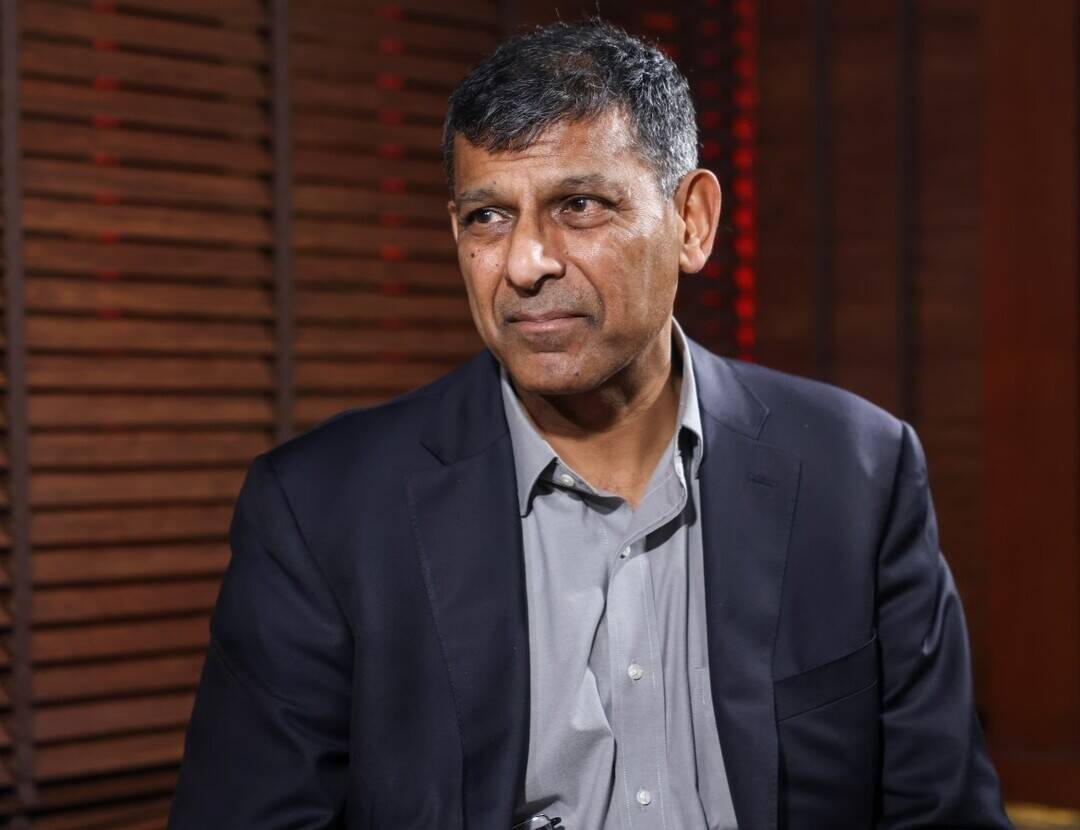
Plumbers will survive AI: Raghuram Rajan as he flags shortcomings in Indian education
The world is rapidly changing with the advent of Artificial Intelligence (AI) and automation. Many experts have warned that these technological advancements will lead to significant job losses, particularly in sectors where tasks are repetitive or can be easily automated. However, according to former Reserve Bank of India (RBI) Governor Raghuram Rajan, there are certain jobs that will survive the AI wave. In a recent statement, Rajan pointed out that hands-on jobs like that of a plumber may continue to thrive, while a variety of other jobs may become obsolete.
Rajan’s statement highlights the importance of skills training and vocational education in preparing the workforce for the changing job market. He emphasized that India needs to find a good skilling model to equip its workforce with the necessary skills to remain employable. “We need to find a good skilling model…It’s not rocket science,” Rajan said, stressing the need for a more practical and hands-on approach to education. He further suggested that Indians must understand that not everyone needs a college degree, and that there are many other viable career options that can be pursued through vocational training and skills development.
The Indian education system has long been criticized for its emphasis on theoretical knowledge over practical skills. The system has been designed to produce graduates who are proficient in academics, but often lack the skills and training required to succeed in the real world. This has resulted in a large pool of unemployed graduates, who are struggling to find jobs in a highly competitive market. On the other hand, there is a shortage of skilled workers in areas like plumbing, electrical work, and carpentry, which are essential for the country’s infrastructure development and maintenance.
Rajan’s comments come at a time when India is facing a significant challenge in terms of job creation. The country’s economy has been growing rapidly, but the growth has not been accompanied by a corresponding increase in job opportunities. According to some estimates, India needs to create over 90 million new jobs in the next decade to accommodate its growing workforce. However, the current education system is not equipped to provide the necessary skills and training to meet this demand.
The shortage of skilled workers in India is not limited to the plumbing and electrical sectors. There is a shortage of skilled workers in many other areas, including healthcare, hospitality, and manufacturing. This shortage is not only affecting the economy but also the overall quality of life in the country. For instance, the lack of skilled healthcare professionals is affecting the quality of healthcare services, while the shortage of skilled workers in the manufacturing sector is affecting the country’s ability to compete with other countries.
To address these challenges, the Indian government has launched several initiatives aimed at promoting skills development and vocational training. These initiatives include the launch of the Skill India Mission, which aims to train over 400 million people in different skills by 2022. The government has also launched the National Skill Development Corporation, which is a non-profit company that aims to promote skills development and vocational training in the country.
However, despite these initiatives, there is still a long way to go in terms of providing the necessary skills and training to the Indian workforce. The education system needs to be overhauled to place a greater emphasis on practical skills and vocational training. The government also needs to provide more funding and support for skills development initiatives, particularly in areas like plumbing, electrical work, and carpentry, which are essential for the country’s infrastructure development and maintenance.
In conclusion, Raghuram Rajan’s statement highlights the importance of skills training and vocational education in preparing the workforce for the changing job market. While AI and automation may lead to significant job losses in some sectors, there are many other areas where humans will continue to be in demand. The Indian government needs to take a more proactive approach to promoting skills development and vocational training, particularly in areas like plumbing, electrical work, and carpentry. By doing so, the country can ensure that its workforce is equipped with the necessary skills to remain employable and competitive in the global market.
About the Author