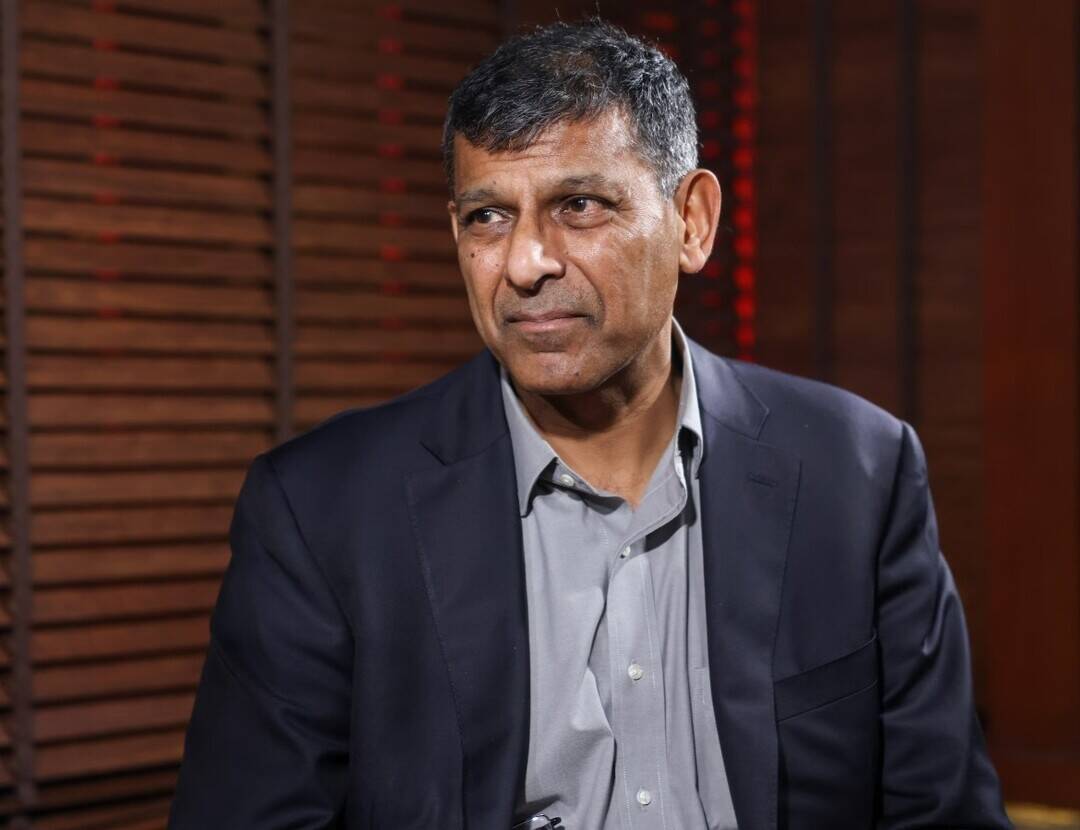
Plumbers will survive AI: Raghuram Rajan as he flags shortcomings in Indian education
The world is on the cusp of a technological revolution, with Artificial Intelligence (AI) transforming industries and job markets at an unprecedented pace. As machines and algorithms increasingly assume tasks previously performed by humans, concerns about job security and the future of work have grown. However, according to former Reserve Bank of India (RBI) Governor Raghuram Rajan, not all jobs are created equal, and some, like that of a plumber, may survive the AI wave.
Rajan’s comments came as he highlighted the shortcomings in the Indian education system, which, he believes, has failed to provide adequate training for hands-on jobs. “We need to find a good skilling model…It’s not rocket science,” he said, emphasizing the need for a more practical approach to education and skill development. Rajan’s remarks suggest that while AI may displace certain jobs, others that require manual dexterity, problem-solving, and human interaction will continue to thrive.
The rise of AI has sparked intense debate about the future of work, with some predicting widespread job losses and others arguing that new technologies will create new opportunities. However, Rajan’s comments underscore the importance of recognizing that not all jobs are equally susceptible to automation. While AI may excel in tasks that involve repetitive calculations, data analysis, or routine decision-making, jobs that require human skills like empathy, creativity, and problem-solving are less likely to be automated.
Plumbers, electricians, and other tradespeople are examples of professionals who possess skills that are difficult to replicate with machines. Their work requires a combination of technical knowledge, manual dexterity, and problem-solving abilities, making them less vulnerable to automation. Moreover, these jobs often involve interacting with people, understanding their needs, and providing personalized services, which are essential human skills that AI systems currently lack.
Rajan’s emphasis on the need for a good skilling model is particularly relevant in the Indian context, where the education system has been criticized for its theoretical focus and lack of emphasis on practical skills. The Indian education system has traditionally prioritized academic achievements over vocational training, leading to a shortage of skilled workers in industries like manufacturing, construction, and services.
The consequences of this shortage are far-reaching. India’s economic growth has been hindered by a lack of skilled workers, which has limited the country’s ability to compete with other nations in the global market. Moreover, the absence of a robust skilling ecosystem has led to a mismatch between the skills possessed by Indian workers and the requirements of the job market, resulting in high levels of unemployment and underemployment.
Rajan’s suggestion that not everyone needs a college degree is a timely reminder that there are alternative paths to success. Vocational training, apprenticeships, and on-the-job learning can provide individuals with the skills and knowledge required to succeed in their chosen careers. By recognizing the value of these alternative paths, India can begin to address its skilling deficit and create a more inclusive and equitable education system.
Furthermore, the Indian government’s initiatives to promote vocational training and skill development, such as the Pradhan Mantri Kaushal Vikas Yojana (PMKVY) and the National Skill Development Mission, are steps in the right direction. These programs aim to provide training and certification to millions of Indian youth, enabling them to acquire the skills required to succeed in the job market.
In conclusion, Raghuram Rajan’s comments highlight the importance of recognizing that not all jobs are created equal and that some, like that of a plumber, may survive the AI wave. The Indian education system’s shortcomings in providing adequate training for hands-on jobs are a major concern, and addressing this issue is crucial for the country’s economic growth and development. By promoting vocational training, apprenticeships, and on-the-job learning, India can create a more skilled and employable workforce, better equipped to thrive in an AI-driven world.
As India navigates the challenges and opportunities presented by AI, it is essential to remember that the future of work is not just about automation and technological advancements but also about the skills, knowledge, and values that make us human. By investing in education and skill development, India can unlock the potential of its workforce and create a brighter future for its citizens.
About the Author