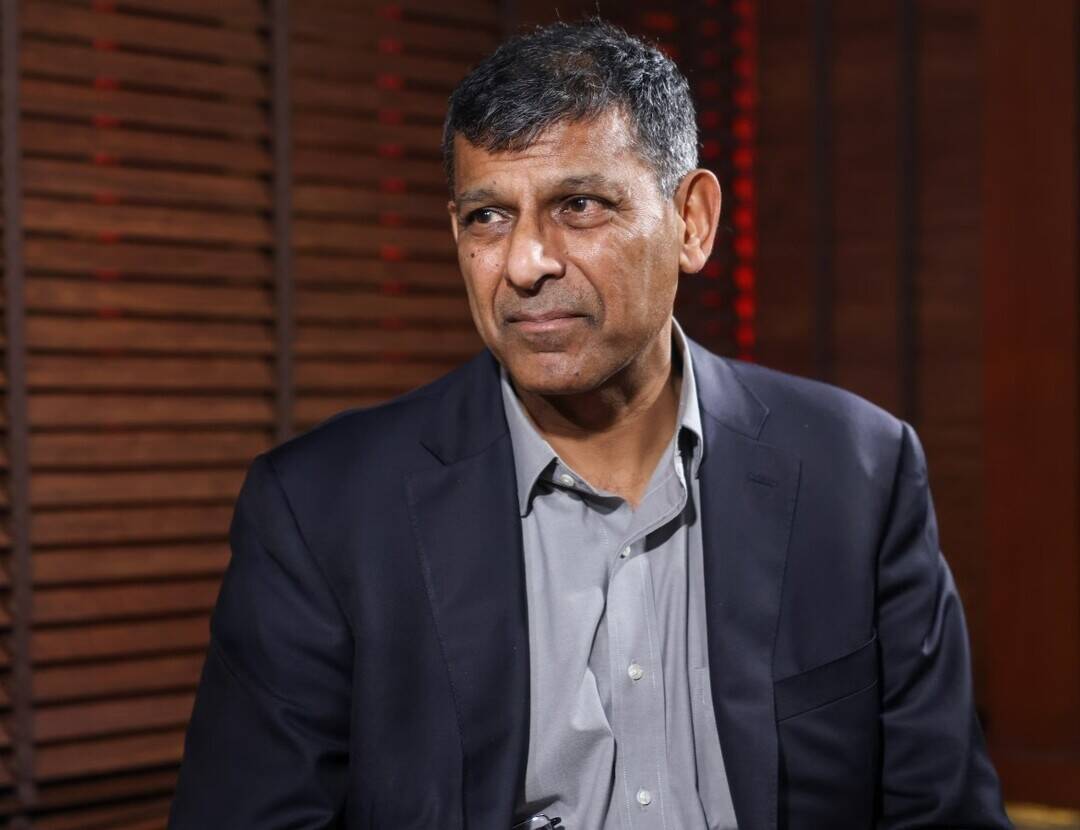
Plumbers will survive AI: Raghuram Rajan as he flags shortcomings in Indian education
The world is abuzz with the concept of Artificial Intelligence (AI) and its potential to revolutionize the way we live and work. While AI has the potential to automate many tasks, there are concerns about its impact on jobs and the future of work. In a recent statement, former Reserve Bank of India (RBI) Governor Raghuram Rajan weighed in on the issue, saying that hands-on jobs like that of a plumber may survive the AI wave, while a variety of other jobs may go away.
Rajan’s statement highlights the importance of skilling and education in preparing for an AI-driven future. He pointed to the shortcomings in the Indian education system, saying, “We need to find a good skilling model…It’s not rocket science.” This statement underscores the need for a more practical and hands-on approach to education, one that prepares students for the jobs of the future.
The Indian education system has long been criticized for its emphasis on theoretical knowledge over practical skills. While students may excel in exams and secure good grades, they often lack the skills and training needed to succeed in the workforce. This is particularly evident in the case of hands-on jobs like plumbing, electrical work, and carpentry, which require a high degree of technical skill and training.
Rajan’s suggestion that Indians must understand that not everyone needs a college degree is a significant one. In a country where there is often a strong emphasis on securing a college degree, regardless of the field or subject, this statement is a breath of fresh air. It recognizes that there are many paths to success and that not everyone needs to follow the traditional route of college and university education.
In fact, many countries have recognized the importance of vocational training and skilling in preparing students for the workforce. Germany, for example, has a well-developed apprenticeship program that provides students with hands-on training and experience in a variety of fields. Similarly, countries like Australia and the UK have introduced programs that combine theoretical knowledge with practical skills, preparing students for the jobs of the future.
So, what can India learn from these examples? Firstly, there is a need to recognize the importance of skilling and vocational training in preparing students for the workforce. This requires a shift in the way we think about education, from a sole emphasis on theoretical knowledge to a more practical and hands-on approach.
Secondly, there is a need to develop a good skilling model that provides students with the training and experience they need to succeed in their chosen field. This could involve partnerships between educational institutions and industry, as well as the development of apprenticeship programs and vocational training courses.
Finally, there is a need to change the mindset of Indians when it comes to education and skilling. Rather than emphasizing the importance of a college degree, we need to recognize that there are many paths to success and that not everyone needs to follow the same route. By doing so, we can create a more inclusive and diverse education system that prepares students for the jobs of the future.
In conclusion, Raghuram Rajan’s statement highlights the importance of skilling and education in preparing for an AI-driven future. While AI may automate many tasks, hands-on jobs like that of a plumber will survive the AI wave. It is up to us to recognize the shortcomings in the Indian education system and to develop a more practical and hands-on approach to education. By doing so, we can create a more inclusive and diverse education system that prepares students for the jobs of the future.
About the Author