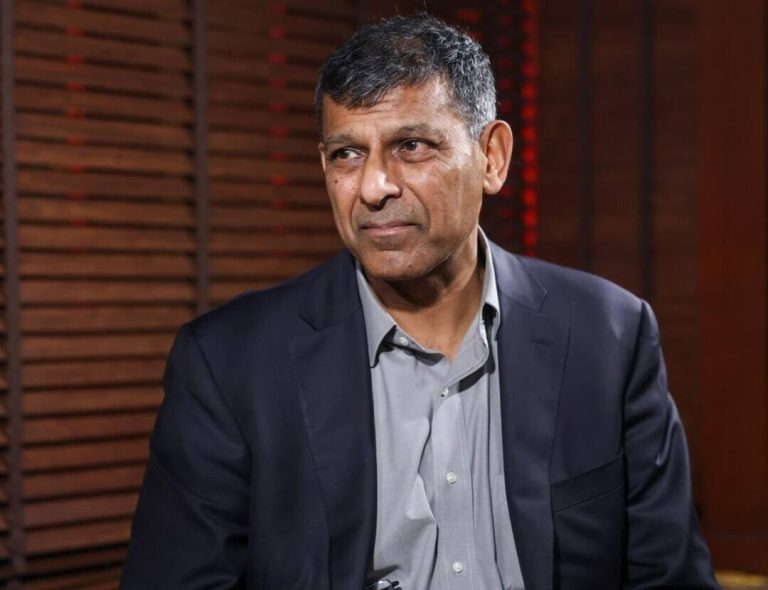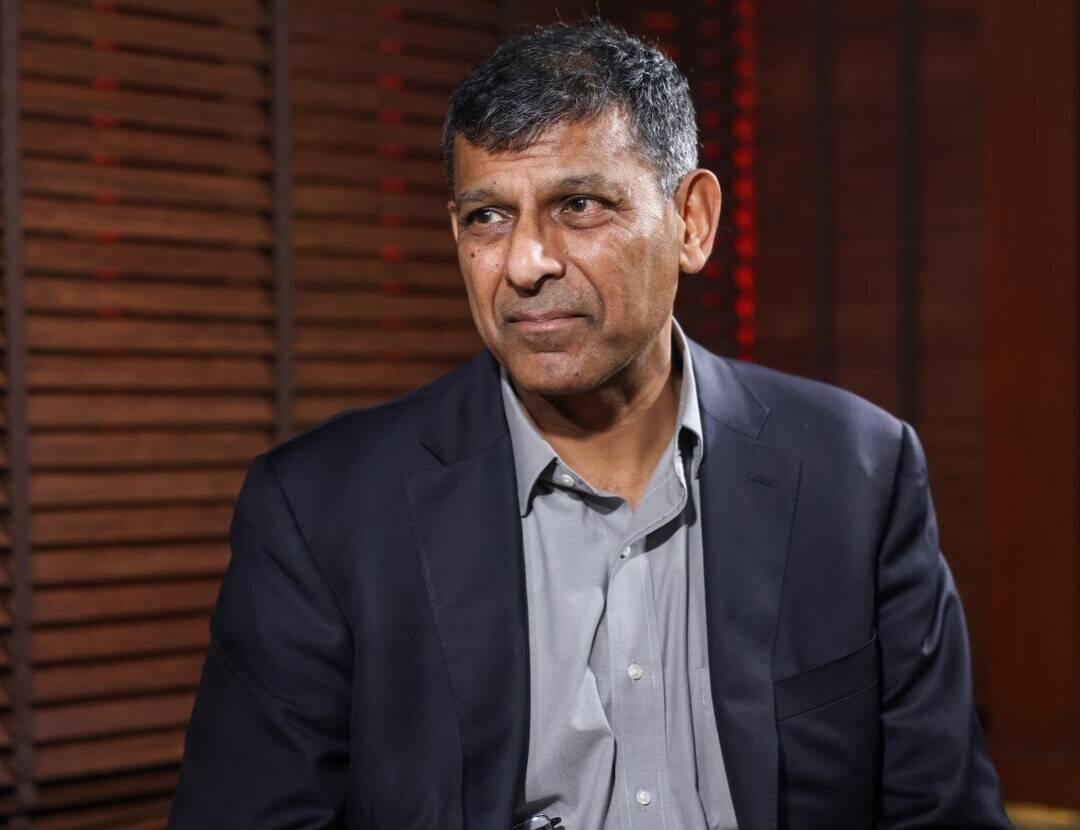
Plumbers will survive AI: Raghuram Rajan as he flags shortcomings in Indian education
The world is on the cusp of a technological revolution, with Artificial Intelligence (AI) and automation transforming the way we live and work. As machines and algorithms increasingly take over routine and repetitive tasks, there is a growing concern about the impact of AI on employment. According to former Reserve Bank of India (RBI) Governor Raghuram Rajan, while many jobs may be lost to AI, hands-on jobs like that of a plumber may survive the AI wave.
Rajan, who is known for his insightful views on the economy and education, pointed out that the Indian education system has significant shortcomings when it comes to preparing students for the changing job market. “We need to find a good skilling model…It’s not rocket science,” he said, emphasizing the need for a more practical and skills-based approach to education. He further suggested that Indians must understand that not everyone needs a college degree, and that there are many alternative paths to successful careers.
The idea that plumbers and other tradespeople may be immune to the effects of AI is not surprising. While AI can perform many tasks that require analysis, problem-solving, and decision-making, it is less effective when it comes to tasks that require manual dexterity, creativity, and human interaction. Plumbers, electricians, carpenters, and other skilled tradespeople require a combination of technical knowledge, physical skills, and problem-solving abilities that are difficult to replicate with machines.
Moreover, as Rajan pointed out, India has a significant shortage of skilled workers in these areas. The country’s education system is often criticized for being too theoretical and not providing students with the practical skills they need to succeed in the workforce. As a result, many Indian students graduate without the skills and training required to fill the demand for skilled tradespeople.
Rajan’s comments highlight the need for a more nuanced approach to education and skills training in India. Rather than focusing solely on academic achievement and college degrees, the country needs to invest in vocational training and skills development programs that prepare students for the changing job market. This could include initiatives such as apprenticeships, on-the-job training, and certification programs that recognize the value of practical skills and experience.
Furthermore, the Indian government and education system need to work together to promote a culture of skills development and entrepreneurship. This could involve partnering with industry leaders and businesses to provide students with hands-on experience and training, as well as encouraging innovation and entrepreneurship through programs such as hackathons, ideathons, and startup incubators.
In addition, there is a need to change the societal perception of skilled trades and vocational education. In India, there is often a stigma attached to pursuing a career in a trade or vocational field, with many parents and students preferring to pursue more “respectable” careers in fields such as engineering, medicine, or law. However, as Rajan pointed out, these jobs are not only essential to the functioning of our economy and society, but they also offer a sense of fulfillment and purpose that is hard to find in other careers.
In conclusion, Raghuram Rajan’s comments on the future of work and education in India are a timely reminder of the need for a more practical and skills-based approach to education. As AI and automation continue to transform the job market, it is essential that we invest in programs and initiatives that prepare students for the changing demands of the workforce. By promoting a culture of skills development, entrepreneurship, and innovation, we can ensure that India is well-equipped to thrive in a rapidly changing world.
About the Author