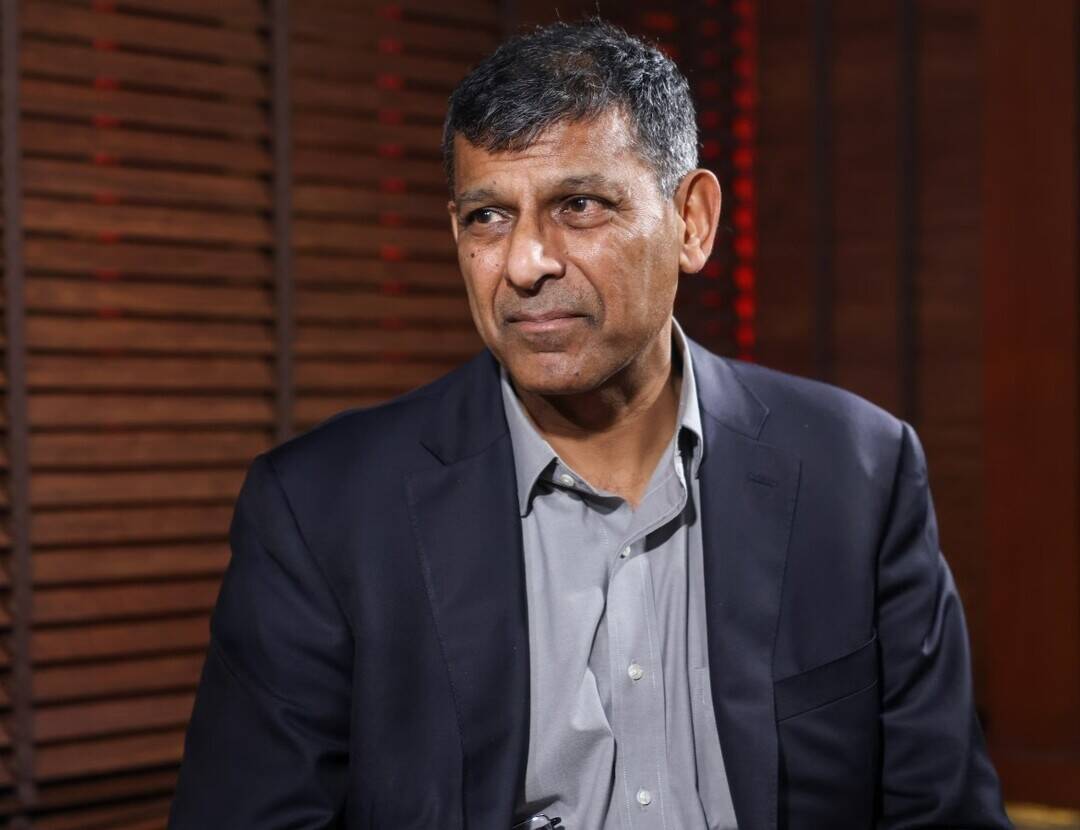
Plumbers will survive AI: Raghuram Rajan as he flags shortcomings in Indian education
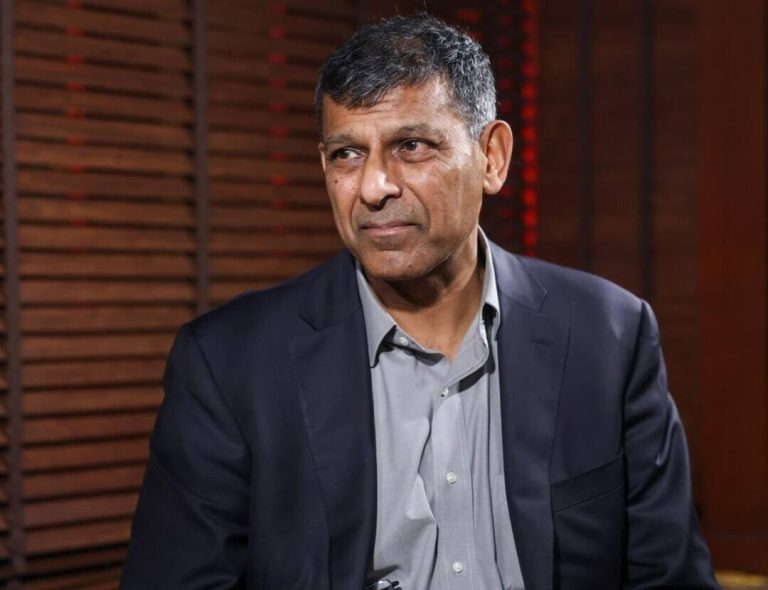
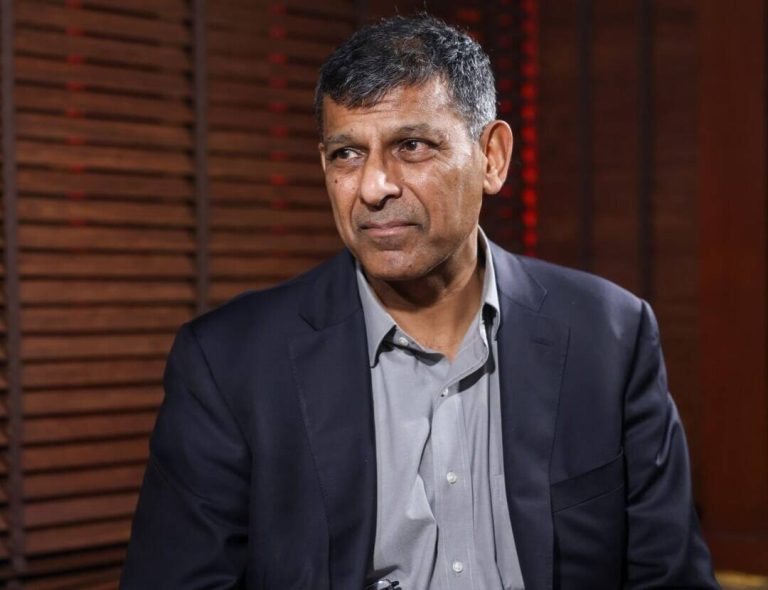
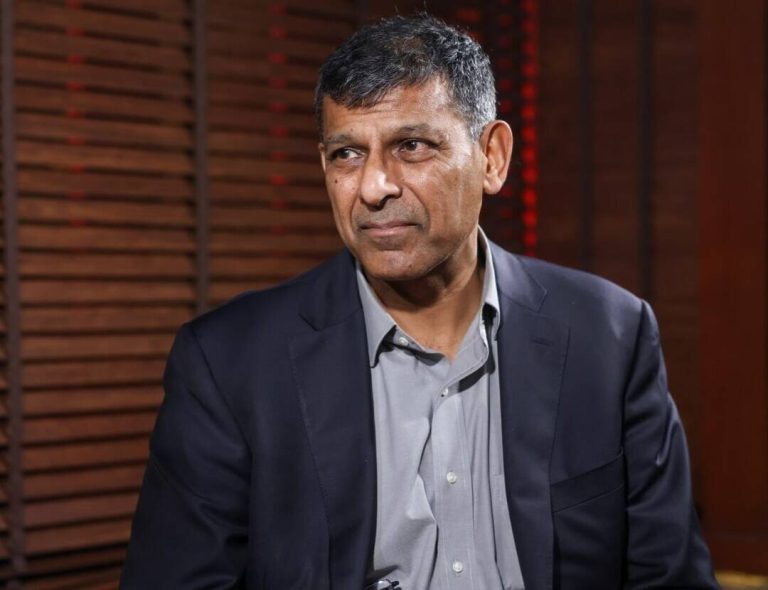
The world is on the cusp of a revolution, with Artificial Intelligence (AI) and automation transforming the way we live and work. While many are excited about the possibilities that these technologies bring, others are concerned about the impact they will have on jobs and the economy. Recently, former Reserve Bank of India (RBI) Governor Raghuram Rajan weighed in on the issue, suggesting that hands-on jobs like that of a plumber may be more resilient to the AI wave than many other professions.
Speaking on the future of work and the impact of AI, Rajan pointed out that while many jobs may become obsolete due to automation, those that require a human touch and hands-on skills will continue to thrive. “Plumbers will survive AI,” he said, emphasizing the importance of skills that cannot be easily replicated by machines. This is a refreshing perspective, especially in a country like India where the education system has traditionally emphasized theoretical knowledge over practical skills.
Rajan’s comments highlight the shortcomings in the Indian education system, which has long been criticized for its focus on rote learning and theoretical knowledge. While India has made significant strides in producing highly skilled engineers, doctors, and other professionals, the country still lags behind in terms of vocational training and skills development. This is a significant concern, as the World Bank estimates that over 100 million Indian youth will enter the workforce over the next decade, and many of them will require skills that are not being adequately addressed by the current education system.
According to Rajan, the solution lies in finding a good skilling model that can provide Indian youth with the practical skills they need to succeed in the workplace. “It’s not rocket science,” he said, emphasizing the need for a more pragmatic approach to education and skills development. This is a sentiment that is echoed by many experts, who argue that India needs to move away from its traditional emphasis on theoretical knowledge and towards a more skills-based approach to education.
One of the key challenges facing India’s education system is the lack of emphasis on vocational training and skills development. While many Indian students aspire to become engineers, doctors, or other professionals, the reality is that many of these jobs are highly competitive and may not be available to all. In contrast, skills like plumbing, electrical work, and carpentry are essential to the functioning of any economy, and yet they are often overlooked in favor of more “prestigious” professions.
Rajan’s comments also highlight the need for Indians to rethink their approach to education and skills development. In a country where a college degree is often seen as the ultimate goal, there is a need to recognize that not everyone needs a college education to succeed. In fact, many of the skills that are in highest demand in the modern economy – such as data analysis, digital marketing, and cybersecurity – can be acquired through online courses, vocational training, and other non-traditional means.
Ultimately, the key to surviving the AI wave will be to develop skills that are complementary to automation, rather than trying to compete with machines. As Rajan pointed out, plumbers and other skilled tradespeople will continue to be in high demand, regardless of the advances in AI and automation. By recognizing the value of these skills and providing Indian youth with the training and education they need to succeed, India can ensure that its workforce is well-equipped to thrive in the 21st century.
In conclusion, Raghuram Rajan’s comments on the future of work and the impact of AI are a timely reminder of the need for India to rethink its approach to education and skills development. By emphasizing the importance of practical skills and vocational training, Rajan is highlighting the shortcomings in the Indian education system and the need for a more skills-based approach to education. As India looks to the future and the challenges that AI and automation will bring, it is clear that the country needs to prioritize skills development and provide its youth with the training and education they need to succeed.
About the Author