Plumbers will survive AI: Raghuram Rajan as he flags shortcomings in Indian education
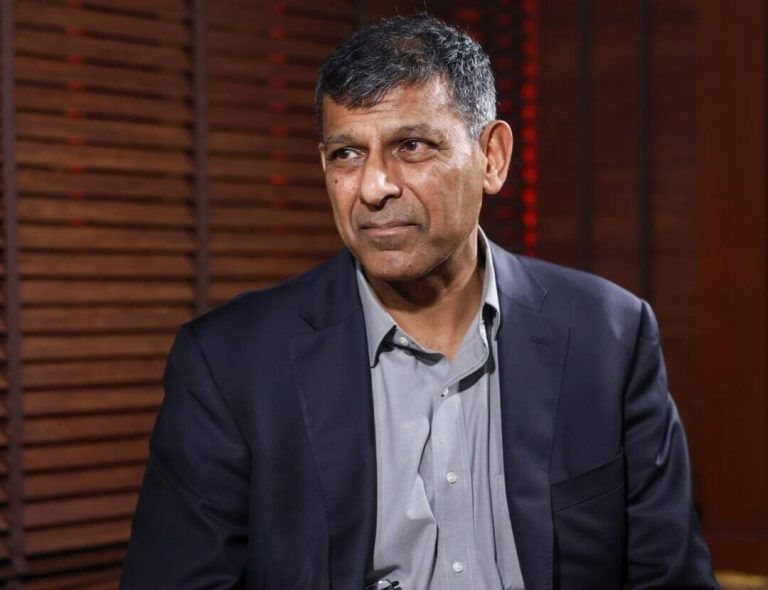
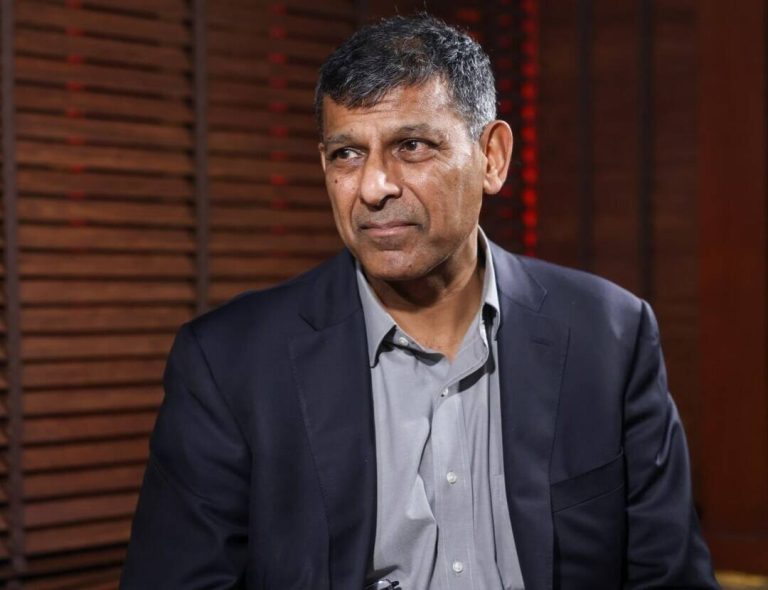
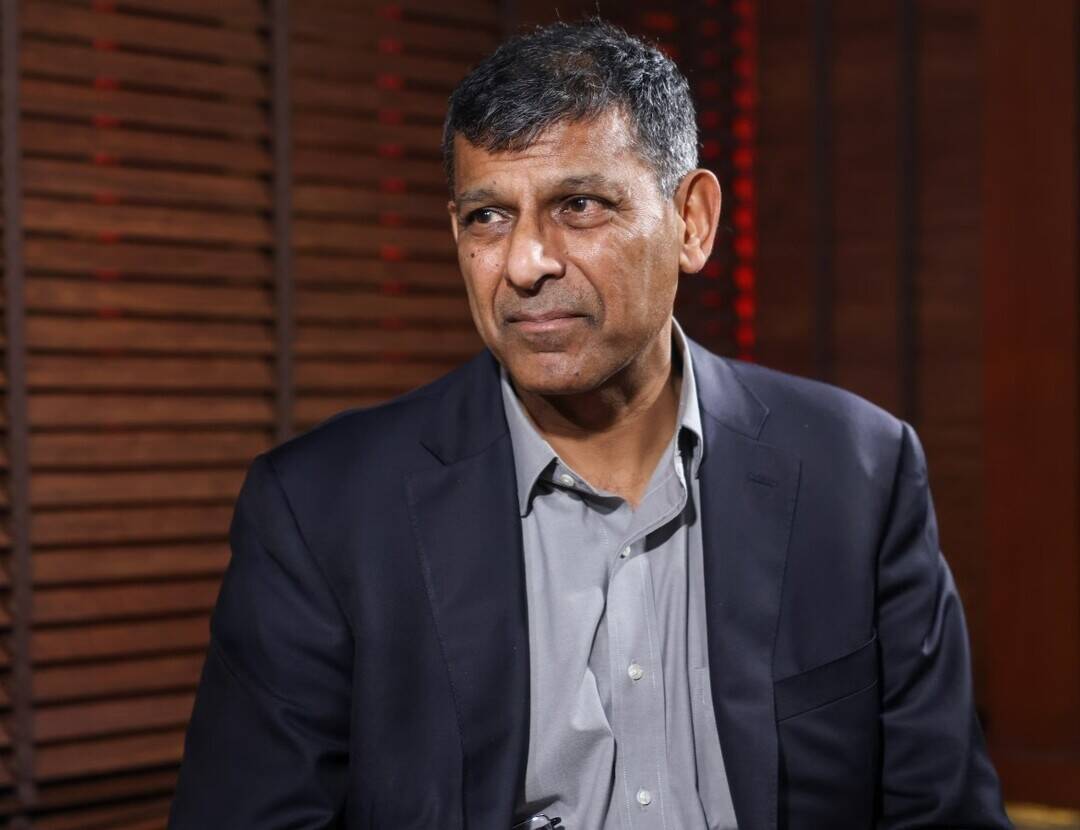
The advent of Artificial Intelligence (AI) has been a topic of discussion in recent years, with many experts weighing in on its potential impact on the job market. While some predict that AI will lead to widespread job losses, others believe that certain professions will be more resilient to the changes brought about by automation. Former Reserve Bank of India (RBI) Governor Raghuram Rajan has recently expressed his views on the matter, stating that hands-on jobs like that of a plumber may survive the AI wave, while a variety of other jobs go away.
Rajan’s comments come at a time when there is growing concern about the impact of AI on employment in India. With the country’s large and growing workforce, the potential disruption caused by automation is a pressing issue that needs to be addressed. According to Rajan, the key to surviving the AI wave lies in acquiring skills that are complementary to automation. He emphasized the need for a good skilling model, stating that “it’s not rocket science.” This suggests that the solution to the problem is not complex, but rather requires a straightforward and practical approach.
One of the main shortcomings in the Indian education system, according to Rajan, is its failure to provide adequate training for hands-on jobs. The Indian education system has traditionally placed a strong emphasis on academic achievement, with many students pursuing higher education in fields such as engineering, law, and medicine. However, this has led to a shortage of skilled workers in areas such as plumbing, electrical work, and carpentry. Rajan’s comments highlight the need for a more balanced approach to education, one that recognizes the importance of vocational training and hands-on skills.
Rajan also suggested that Indians must understand that not everyone needs a college degree. This is a significant shift in mindset, as many Indian parents and students place a high value on higher education. However, the reality is that not all jobs require a college degree, and many skilled trades can be learned through vocational training or apprenticeships. By recognizing the value of these alternative paths, India can begin to address the shortage of skilled workers in key areas.
The importance of skilling and vocational training cannot be overstated. As AI and automation continue to advance, it is likely that many jobs will be displaced. However, by acquiring skills that are complementary to automation, workers can increase their chances of survival in the job market. This is particularly true for hands-on jobs like plumbing, electrical work, and carpentry, which require a high degree of manual dexterity and problem-solving skills.
Furthermore, the development of a good skilling model can have a positive impact on the Indian economy as a whole. By providing workers with the skills they need to succeed in the job market, India can increase its competitiveness and attract more foreign investment. This, in turn, can lead to higher economic growth and a higher standard of living for Indians.
In conclusion, Raghuram Rajan’s comments highlight the need for a more balanced approach to education in India. By recognizing the importance of vocational training and hands-on skills, India can begin to address the shortage of skilled workers in key areas. The development of a good skilling model can have a positive impact on the Indian economy, and can help workers survive the AI wave. As Rajan stated, “it’s not rocket science” – the solution to the problem is straightforward, and requires a practical and common-sense approach.
The Indian government has already taken steps to address the issue of skilling and vocational training. The National Skill Development Mission, launched in 2015, aims to provide training to 400 million people by 2022. The mission has made significant progress, with millions of people already receiving training in various skills. However, more needs to be done to address the scale and complexity of the problem.
Ultimately, the key to surviving the AI wave lies in acquiring skills that are complementary to automation. By recognizing the importance of vocational training and hands-on skills, India can begin to address the shortage of skilled workers in key areas. As Raghuram Rajan stated, plumbers and other skilled tradespeople may survive the AI wave, while other jobs go away. By developing a good skilling model and providing workers with the skills they need to succeed, India can increase its competitiveness and attract more foreign investment.
About the Author