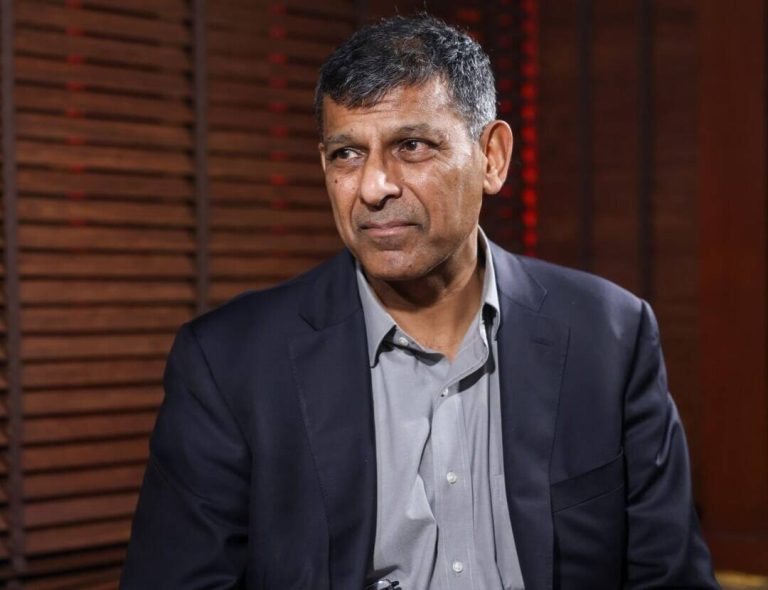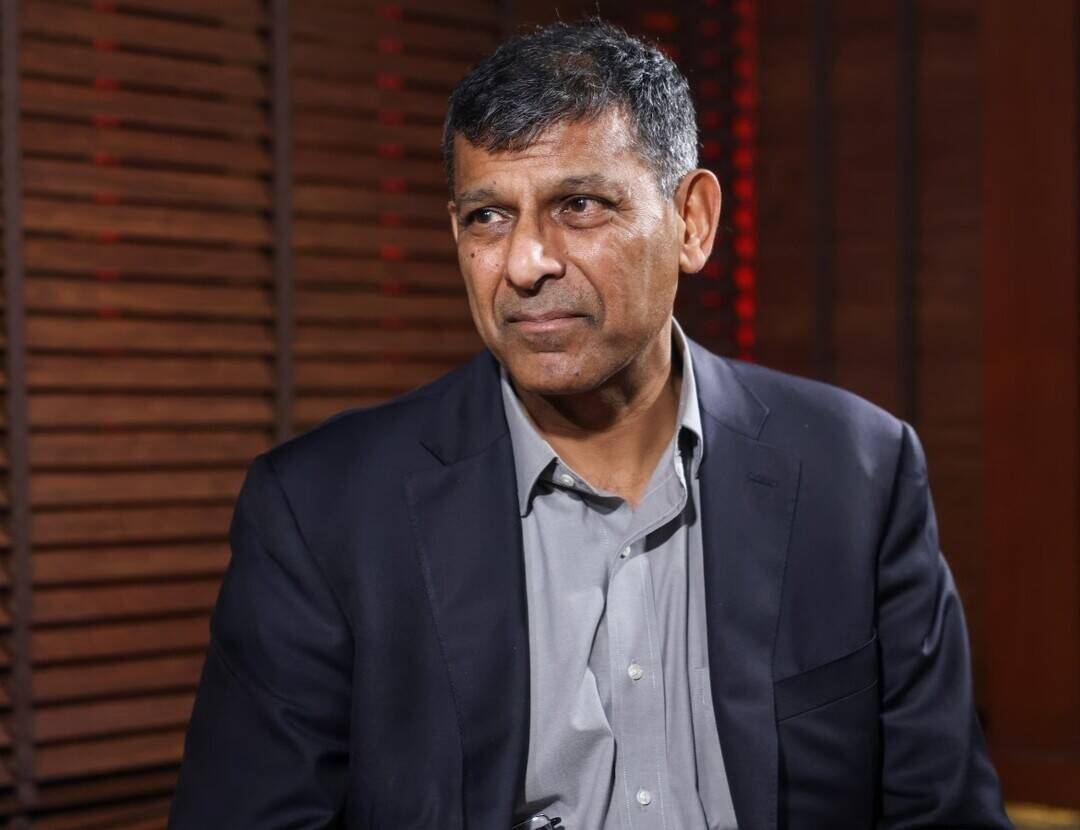
Plumbers will survive AI: Raghuram Rajan as he flags shortcomings in Indian education
The world is abuzz with the concept of Artificial Intelligence (AI) and its potential to revolutionize the way we live and work. While some experts predict that AI will bring about unprecedented growth and efficiency, others warn that it may lead to widespread job losses. In a recent statement, former Reserve Bank of India (RBI) Governor Raghuram Rajan weighed in on the debate, suggesting that hands-on jobs like that of a plumber may survive the AI wave, while a variety of other jobs go away.
Rajan’s comments come at a time when India is grappling with the challenges of educating and skilling its vast workforce. With a population of over 1.3 billion people, India has the potential to become a major player in the global economy. However, the country’s education system has been criticized for its shortcomings, including a lack of emphasis on hands-on skills and vocational training.
According to Rajan, the key to surviving the AI wave lies in developing a strong skilling model that focuses on practical, hands-on skills. “We need to find a good skilling model…It’s not rocket science,” he said, emphasizing the need for a more pragmatic approach to education. Rajan’s comments suggest that the Indian education system needs to shift its focus from purely theoretical knowledge to more practical, vocational skills.
One of the main challenges facing India’s education system is the emphasis on college degrees. In India, there is a strong cultural bias towards higher education, with many parents pushing their children to pursue college degrees, regardless of their interests or aptitudes. However, Rajan argues that not everyone needs a college degree. “We need to understand that not everyone needs to go to college,” he said, highlighting the need for alternative paths to education and skilling.
The implications of Rajan’s comments are significant. If India is to survive the AI wave, it needs to focus on developing a workforce that is skilled in hands-on, practical skills. This means placing a greater emphasis on vocational training, apprenticeships, and other forms of skills development. By doing so, India can create a workforce that is better equipped to adapt to the changing needs of the economy.
Moreover, Rajan’s comments highlight the need for a more nuanced approach to education. Rather than pushing every student towards a college degree, the education system should provide alternative paths for students who may not be interested in or suited to higher education. This could include vocational training programs, apprenticeships, or other forms of skills development.
The benefits of such an approach are clear. By providing students with a range of options, the education system can help to reduce unemployment and increase productivity. It can also help to address the skills gap that exists in many industries, where employers are struggling to find workers with the right skills.
In addition, Rajan’s comments suggest that India needs to rethink its approach to skilling and education. Rather than relying on a one-size-fits-all approach, the education system should provide students with a range of options that cater to their different interests and aptitudes. This could include online courses, vocational training programs, and apprenticeships, among other things.
The good news is that there are already many initiatives underway to address the shortcomings in India’s education system. The government has launched a number of programs aimed at promoting skilling and vocational training, including the Pradhan Mantri Kaushal Vikas Yojana (PMKVY) and the National Skill Development Mission. These programs aim to provide students with the skills and training they need to succeed in the workforce.
However, more needs to be done to address the challenges facing India’s education system. This includes increasing funding for education, improving the quality of teaching, and providing students with a range of options for skilling and education. It also requires a fundamental shift in the way we think about education, from a purely theoretical approach to a more practical, hands-on approach.
In conclusion, Raghuram Rajan’s comments highlight the need for India to rethink its approach to education and skilling. By placing a greater emphasis on hands-on, practical skills, India can create a workforce that is better equipped to adapt to the changing needs of the economy. This requires a more nuanced approach to education, one that provides students with a range of options and caters to their different interests and aptitudes.
As India continues to navigate the challenges of the AI wave, it is clear that the country needs to focus on developing a strong skilling model that emphasizes practical, hands-on skills. By doing so, India can create a workforce that is well-equipped to survive and thrive in a rapidly changing world.
About the Author