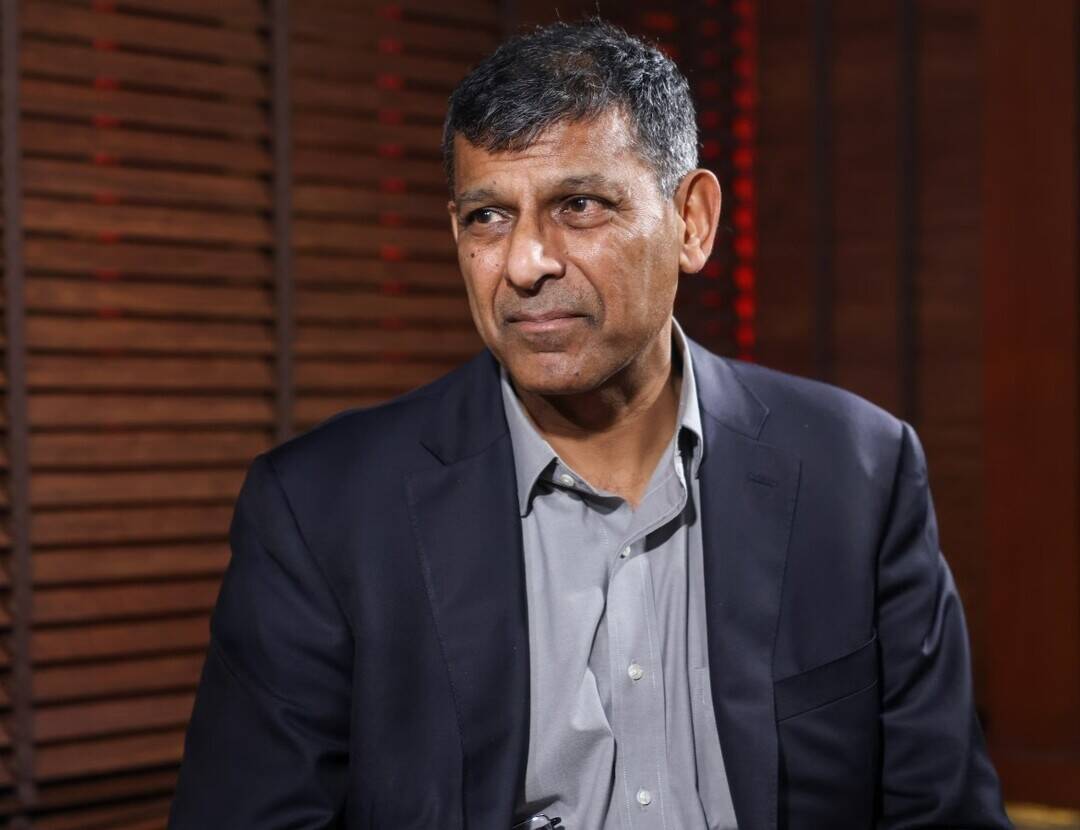
Plumbers will survive AI: Raghuram Rajan as he flags shortcomings in Indian education
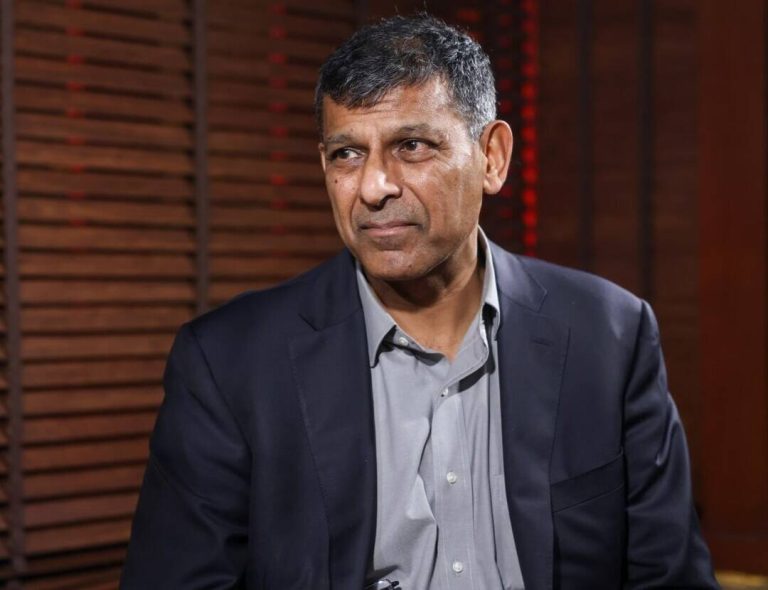
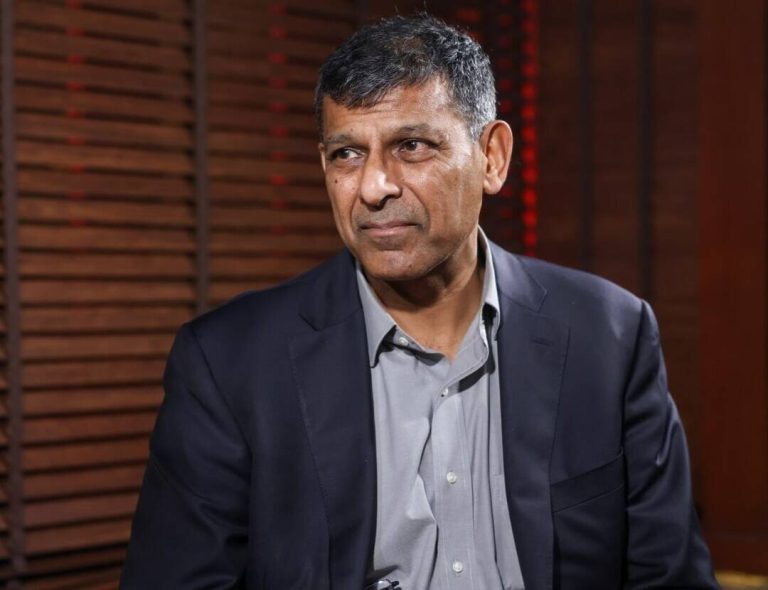
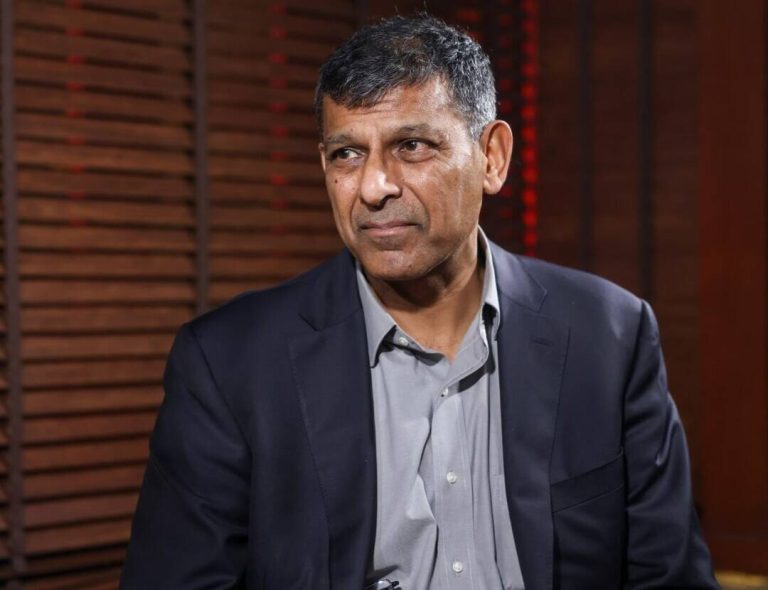
The world is on the cusp of a revolution, with Artificial Intelligence (AI) and automation transforming the way we live and work. While many experts predict that AI will lead to widespread job losses, former Reserve Bank of India (RBI) Governor Raghuram Rajan has a different take on the matter. According to Rajan, hands-on jobs like that of a plumber may survive the AI wave, while a variety of other jobs go away. In a recent statement, Rajan pointed to the shortcomings in the Indian education system, emphasizing the need for a good skilling model to prepare the workforce for the changing job market.
Rajan’s comments come at a time when there is growing concern about the impact of AI on employment. Many experts believe that AI will displace jobs, particularly in sectors where tasks are repetitive or can be easily automated. However, Rajan’s assertion that plumbers and other hands-on workers may be spared the brunt of the AI wave is based on the idea that these jobs require a level of human skill and interaction that is difficult to replicate with machines.
“We need to find a good skilling model…It’s not rocket science,” Rajan said, highlighting the importance of vocational training and skills development in preparing the Indian workforce for the future. He further suggested that Indians must understand that not everyone needs a college degree, and that there are many valuable and rewarding careers that can be pursued through alternative paths.
Rajan’s comments are particularly relevant in the Indian context, where the education system has long been criticized for its emphasis on theoretical knowledge over practical skills. The country’s schools and universities have traditionally focused on preparing students for white-collar jobs, with little attention paid to vocational training or skills development. As a result, many Indian workers lack the skills and training needed to compete in a rapidly changing job market.
The consequences of this approach are already being felt, with many Indian workers struggling to find employment in a market where automation and AI are increasingly prevalent. According to some estimates, up to 70% of India’s workforce may not have the skills needed to adapt to the changing job market, leaving them vulnerable to displacement by machines.
To address this challenge, Rajan and other experts are calling for a fundamental shift in the way India approaches education and skills development. This includes a greater emphasis on vocational training, apprenticeships, and other forms of practical skills development. It also requires a change in mindset, with Indians recognizing that there are many valuable and rewarding careers that do not require a college degree.
One approach that has shown promise is the German-style apprenticeship model, which combines on-the-job training with classroom instruction to provide workers with the skills and knowledge needed to succeed in a particular trade or industry. This approach has been successfully implemented in countries such as Germany and Switzerland, where it has helped to create a highly skilled and adaptable workforce.
In India, there are already some efforts underway to promote vocational training and skills development. The government has launched a number of initiatives aimed at promoting skills development, including the Pradhan Mantri Kaushal Vikas Yojana (PMKVY) and the National Skill Development Mission. However, more needs to be done to address the scale and complexity of the challenge, and to ensure that Indian workers have the skills and training needed to compete in a rapidly changing job market.
In conclusion, Raghuram Rajan’s comments highlight the need for a fundamental shift in the way India approaches education and skills development. By emphasizing the importance of vocational training and skills development, Rajan is drawing attention to the shortcomings of the Indian education system and the need for a more practical and adaptable approach to workforce development. As the country navigates the challenges and opportunities of the AI revolution, it is clear that a new approach to education and skills development will be essential for creating a highly skilled and adaptable workforce.
About the Author