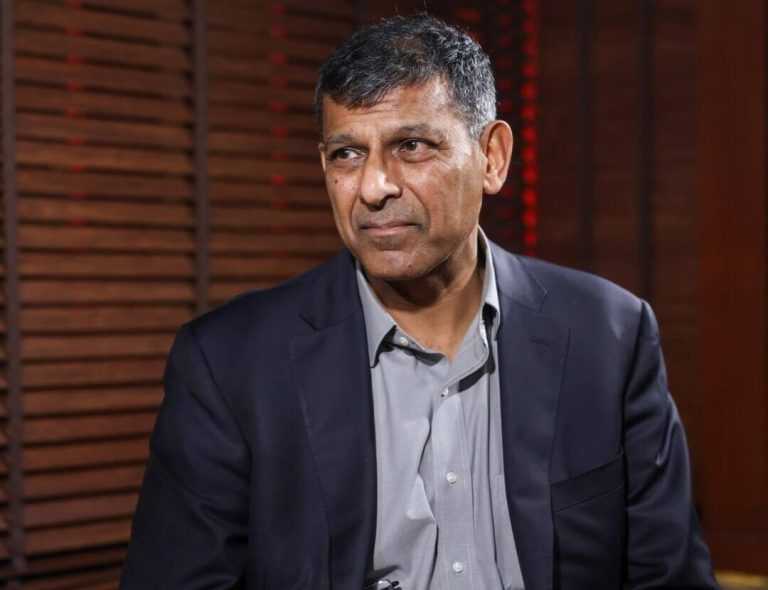
Plumbers will survive AI: Raghuram Rajan as he flags shortcomings in Indian education
The world is abuzz with the concept of Artificial Intelligence (AI) and its potential to disrupt various industries and jobs. While many experts predict that AI will lead to significant job losses, former Reserve Bank of India (RBI) Governor Raghuram Rajan has a different take on the matter. According to him, hands-on jobs like that of a plumber may survive the AI wave, while a variety of other jobs may go away. This statement not only highlights the importance of vocational training but also points to the shortcomings in the Indian education system.
Rajan’s statement comes at a time when the Indian education system is facing numerous challenges. The system is often criticized for being overly focused on theoretical knowledge, with little emphasis on practical skills. This has led to a situation where many graduates are not equipped with the skills required by the industry, making them less employable. Rajan’s suggestion that Indians must understand that not everyone needs a college degree is a stark reminder of the need for a more nuanced approach to education.
The focus on hands-on jobs like plumbing, electrical work, and carpentry is not only essential for the survival of these professions but also for the overall development of the country. These jobs require a high level of skill and precision, and are essential for the maintenance and development of infrastructure. Moreover, they are less likely to be automated, making them more secure in the face of AI-driven job losses.
Rajan’s emphasis on finding a good skilling model is also crucial. India has a large population of young people, and it is essential to provide them with the skills required by the industry. This can be achieved through vocational training programs, apprenticeships, and on-the-job training. The government and private sector must work together to create an ecosystem that promotes skill development and provides opportunities for young people to acquire practical skills.
The statement “It’s not rocket science” by Rajan is a clear indication that finding a good skilling model is not a complex task. It requires a willingness to experiment, innovate, and adapt to changing circumstances. The Indian education system must be willing to move away from its traditional approaches and embrace new and innovative methods of teaching and learning.
Moreover, the notion that not everyone needs a college degree is a significant shift in thinking. For too long, the Indian education system has been focused on producing graduates, with little emphasis on vocational training. This has led to a situation where many graduates are struggling to find employment, while there is a shortage of skilled workers in various industries. By recognizing that not everyone needs a college degree, Rajan is highlighting the importance of alternative forms of education and training.
The implications of Rajan’s statement are far-reaching. It suggests that the Indian education system must be more flexible and adaptable, with a focus on providing students with a range of options and pathways. This could include vocational training, apprenticeships, and online courses, among others. It also highlights the need for a more nuanced approach to education, one that recognizes the diversity of student interests and abilities.
In conclusion, Raghuram Rajan’s statement that plumbers will survive AI is a significant commentary on the state of the Indian education system. It highlights the importance of hands-on jobs, the need for a good skilling model, and the recognition that not everyone needs a college degree. As India navigates the challenges of AI and automation, it is essential to recognize the value of vocational training and the importance of providing students with a range of options and pathways. By doing so, we can create a more adaptable and resilient workforce, one that is better equipped to thrive in a rapidly changing world.
About the Author