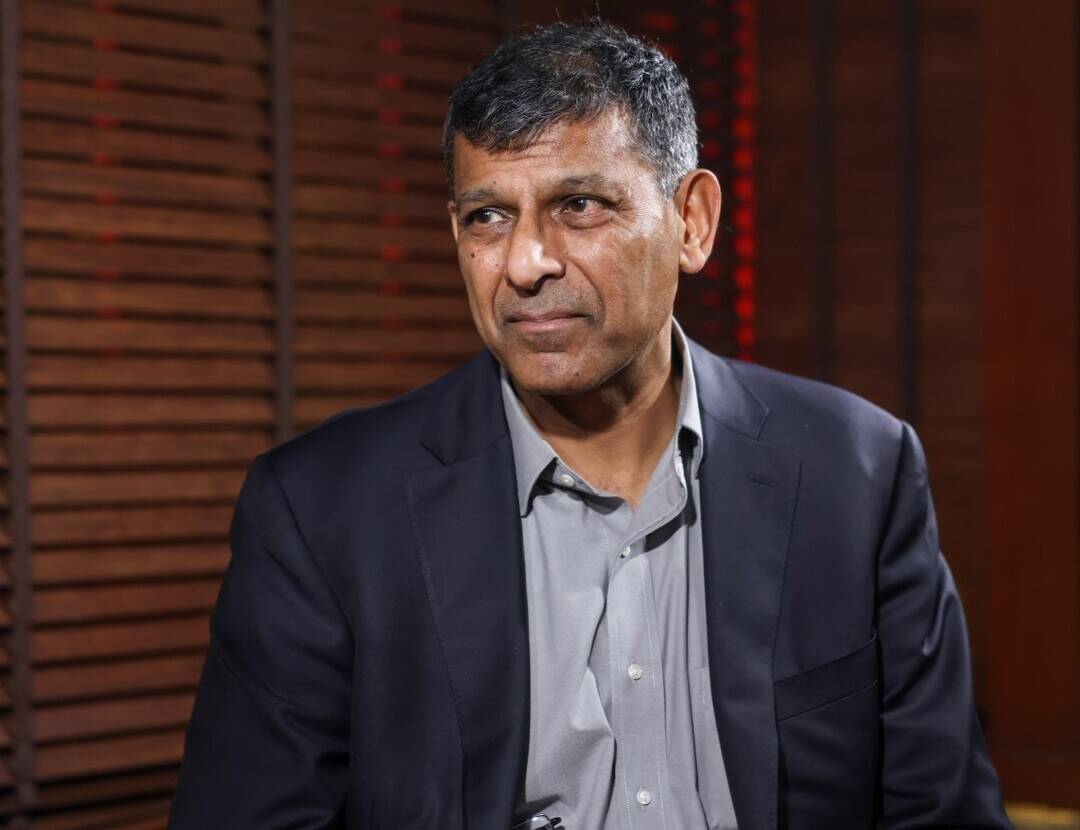
Plumbers will survive AI: Raghuram Rajan as he flags shortcomings in Indian education
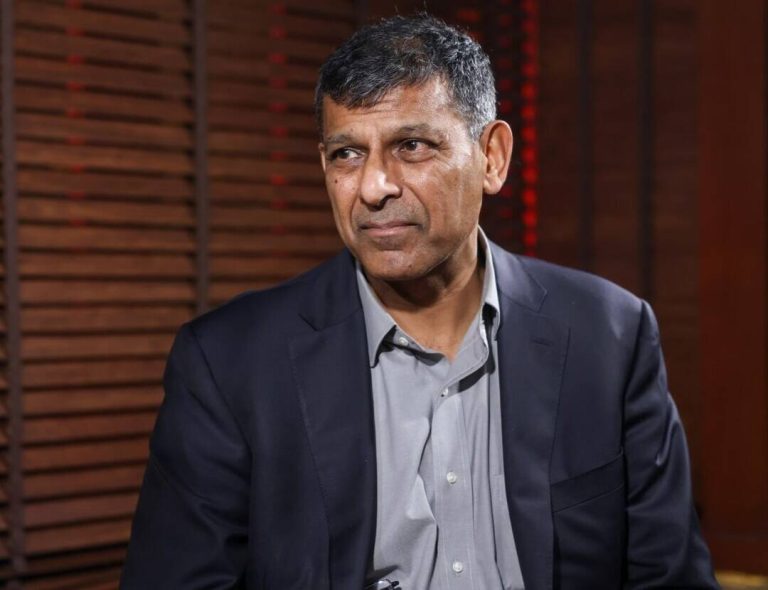
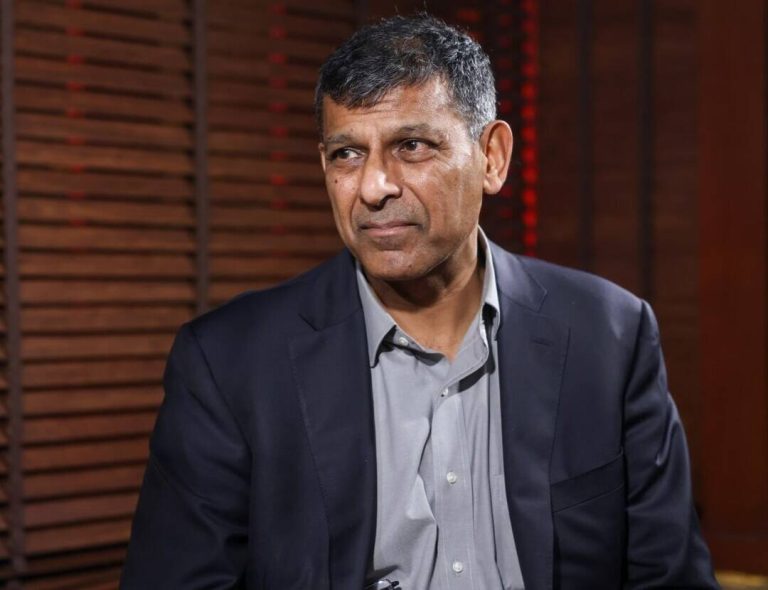
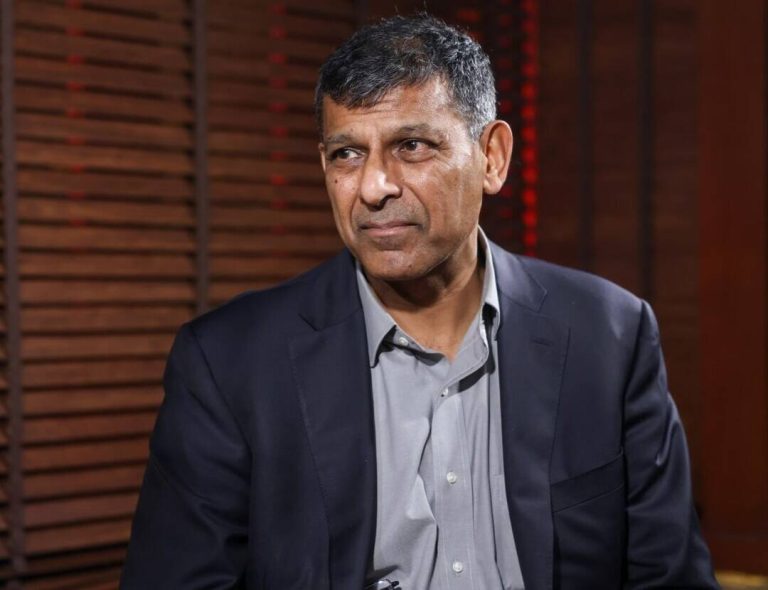
The world is on the cusp of a technological revolution, with Artificial Intelligence (AI) and automation transforming the way we work and live. While there are many who believe that AI will displace human workers, especially in jobs that involve repetitive tasks, there are others who think that certain professions will continue to thrive despite the AI wave. Former Reserve Bank of India (RBI) Governor Raghuram Rajan is one such person who believes that hands-on jobs like that of a plumber may survive the AI wave, while a variety of other jobs go away.
Rajan’s comments come at a time when there is a growing concern about the impact of AI on employment in India. With the country’s economy facing a slowdown, there are fears that the adoption of AI and automation could lead to widespread job losses. However, Rajan is of the view that while AI may displace some jobs, it will also create new opportunities for those who are skilled in areas that are complementary to technology.
Pointing to shortcomings in the Indian education system, Rajan said, “We need to find a good skilling model…It’s not rocket science.” He further suggested that Indians must understand that not everyone needs a college degree. This is a significant statement, given that the Indian education system is often criticized for its emphasis on theoretical knowledge over practical skills. The result is that many students graduate from college without the skills that are required to succeed in the workplace.
Rajan’s comments highlight the need for a more vocational approach to education, where students are taught skills that are relevant to the industry. This is particularly important in areas like plumbing, electrical work, and other trades that require hands-on skills. By focusing on these areas, India can create a workforce that is equipped to meet the demands of the modern economy.
The importance of skilling and vocational training cannot be overstated. According to a report by the National Skill Development Corporation (NSDC), India will require over 700 million skilled workers by 2022 to meet the demands of its growing economy. However, the current education system is not equipped to meet this demand, with many students graduating from college without the skills that are required to succeed in the workplace.
One of the main reasons for this is the emphasis on theoretical knowledge over practical skills. The Indian education system is often criticized for its rote learning approach, where students are expected to memorize and regurgitate facts without necessarily understanding the underlying concepts. This approach may have worked in the past, but it is no longer relevant in today’s fast-changing world, where the ability to adapt and innovate is crucial for success.
Another reason is the lack of industry-academia collaboration. Many educational institutions in India do not have strong links with industry, which means that students are not exposed to the latest technologies and trends. This can make it difficult for them to find employment after graduation, as they may not have the skills that are required by the industry.
To address these shortcomings, there is a need for a more vocational approach to education, where students are taught skills that are relevant to the industry. This can be achieved through a combination of theoretical and practical training, where students are exposed to the latest technologies and trends. Additionally, there is a need for stronger industry-academia collaboration, where educational institutions work closely with industry to develop curricula that are relevant to the workplace.
The benefits of a more vocational approach to education are numerous. Not only can it help to create a workforce that is equipped to meet the demands of the modern economy, but it can also help to reduce unemployment and increase economic growth. By providing students with the skills that are required to succeed in the workplace, we can help them to find employment and start their own businesses, which can have a positive impact on the economy as a whole.
In conclusion, Raghuram Rajan’s comments on the need for a more vocational approach to education are timely and relevant. While AI may displace some jobs, it will also create new opportunities for those who are skilled in areas that are complementary to technology. By focusing on hands-on skills like plumbing and other trades, India can create a workforce that is equipped to meet the demands of the modern economy. Additionally, by providing students with the skills that are required to succeed in the workplace, we can help to reduce unemployment and increase economic growth.
As Rajan said, “We need to find a good skilling model…It’s not rocket science.” This is a challenge that India must take seriously, as the future of its economy depends on it. By working together to create a more vocational approach to education, we can help to create a workforce that is equipped to meet the demands of the modern economy, and ensure that India continues to grow and prosper in the years to come.
About the Author