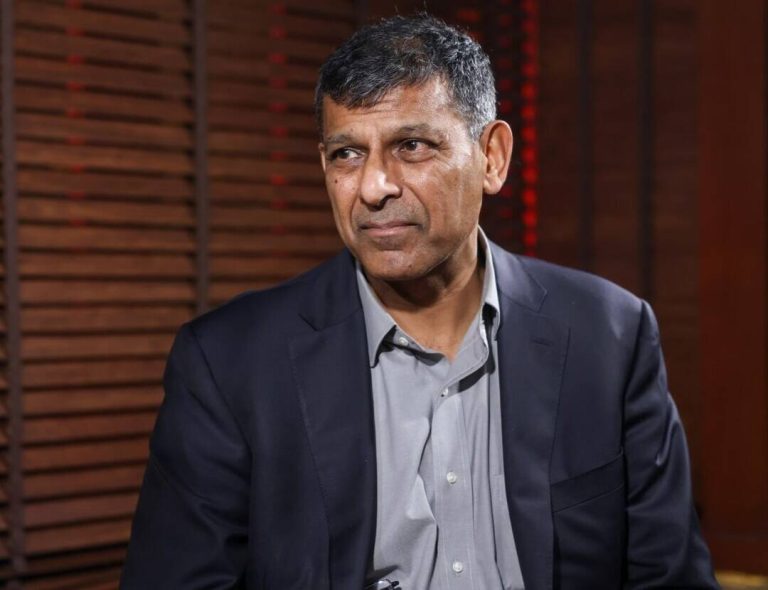
Plumbers will survive AI: Raghuram Rajan as he flags shortcomings in Indian education
The advent of Artificial Intelligence (AI) has sparked a widespread debate about the future of jobs and the impact of automation on various industries. While some experts predict that AI will replace a significant number of jobs, others believe that certain professions will remain unaffected. Recently, former Reserve Bank of India (RBI) Governor Raghuram Rajan weighed in on the discussion, suggesting that hands-on jobs like that of a plumber may survive the AI wave, while a variety of other jobs may become obsolete.
Rajan’s comments come at a time when the Indian education system is facing significant challenges in preparing students for the changing job market. The former RBI Governor pointed to the shortcomings in the Indian education system, emphasizing the need for a good skilling model that can equip students with the necessary skills to thrive in an AI-driven economy. “We need to find a good skilling model…It’s not rocket science,” Rajan said, highlighting the importance of vocational training and hands-on skills in the modern job market.
Rajan’s remarks are particularly relevant in the Indian context, where the education system has traditionally focused on theoretical knowledge over practical skills. The emphasis on rote learning and academic achievement has led to a shortage of skilled workers in industries that require hands-on expertise, such as plumbing, electrical work, and carpentry. As a result, India is facing a significant skills gap, with many students graduating from college without the necessary skills to secure employment.
The former RBI Governor also suggested that Indians must understand that not everyone needs a college degree. In a country where higher education is often seen as the key to success, Rajan’s comments may come as a surprise to many. However, his argument is rooted in the reality of the modern job market, where many industries require specialized skills and training that may not be acquired through a traditional college education.
The importance of skilling and vocational training cannot be overstated. As AI and automation continue to transform the job market, it is essential that students and workers acquire the skills necessary to remain relevant. This may involve training in emerging technologies such as data science, machine learning, and cybersecurity, as well as traditional trades like plumbing, electrical work, and carpentry.
Moreover, the Indian government has launched several initiatives aimed at promoting skilling and vocational training, such as the Pradhan Mantri Kaushal Vikas Yojana (PMKVY) and the National Skill Development Mission (NSDM). These initiatives aim to provide training and certification to millions of students and workers, equipping them with the skills necessary to secure employment in various industries.
However, despite these efforts, the Indian education system still faces significant challenges in preparing students for the changing job market. The shortage of skilled workers, particularly in industries that require hands-on expertise, remains a major concern. To address this shortage, it is essential that the government, educational institutions, and industry leaders work together to promote skilling and vocational training.
In addition, there is a need to change the mindset of students and parents, who often prioritize academic achievement over vocational training. By recognizing the value of hands-on skills and promoting vocational training, India can develop a more skilled and employable workforce, better equipped to thrive in an AI-driven economy.
In conclusion, Raghuram Rajan’s comments highlight the importance of skilling and vocational training in the modern job market. As AI and automation continue to transform various industries, it is essential that students and workers acquire the skills necessary to remain relevant. By promoting vocational training and recognizing the value of hands-on skills, India can develop a more skilled and employable workforce, better equipped to thrive in an AI-driven economy.
About the Author