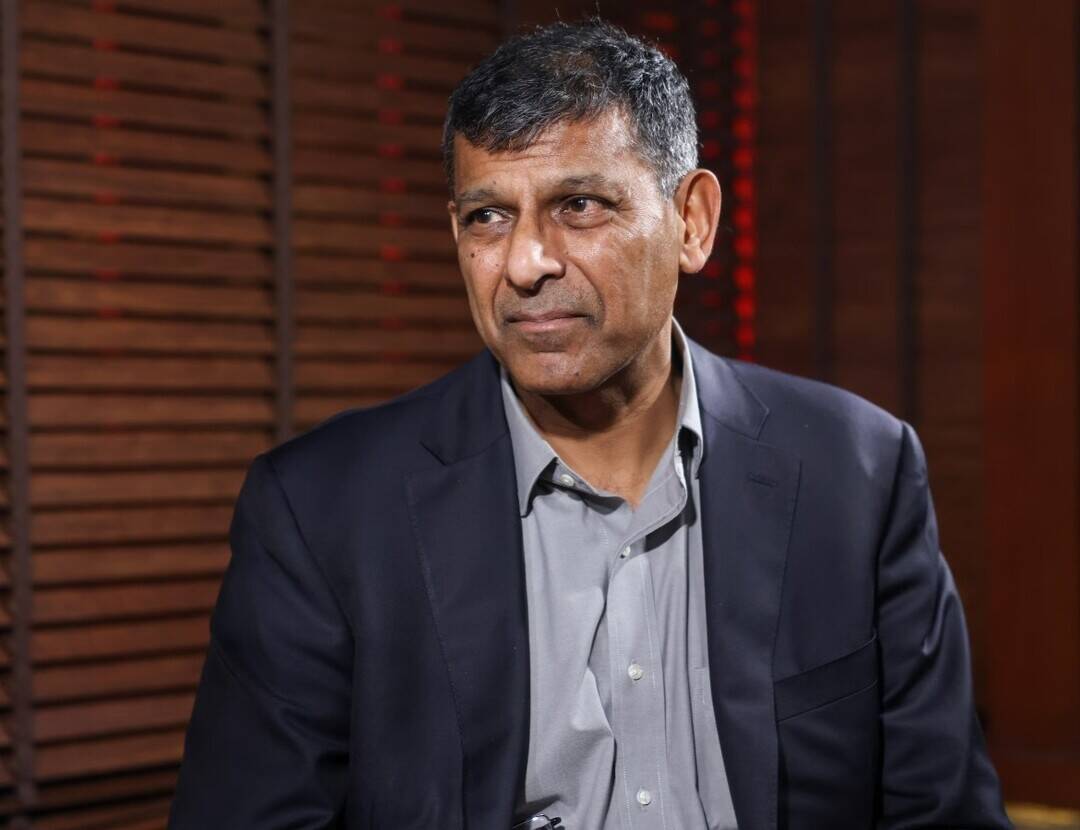
Plumbers will survive AI: Raghuram Rajan as he flags shortcomings in Indian education
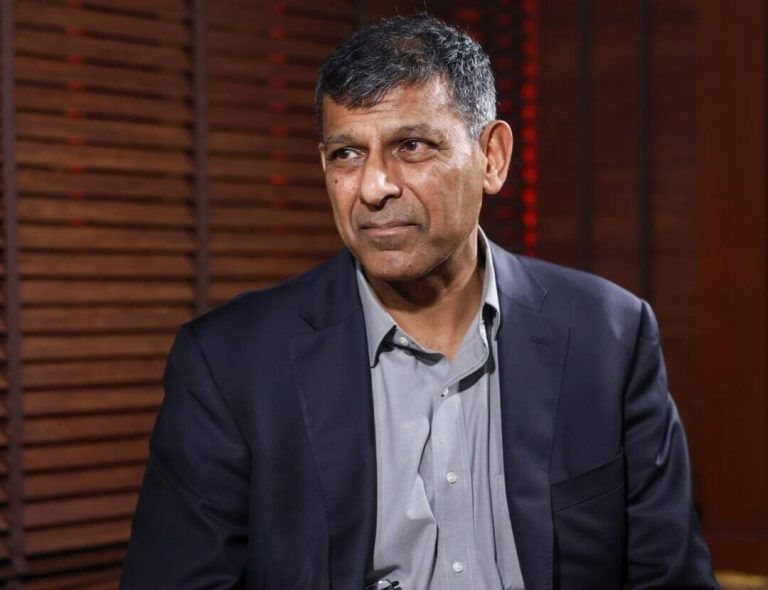
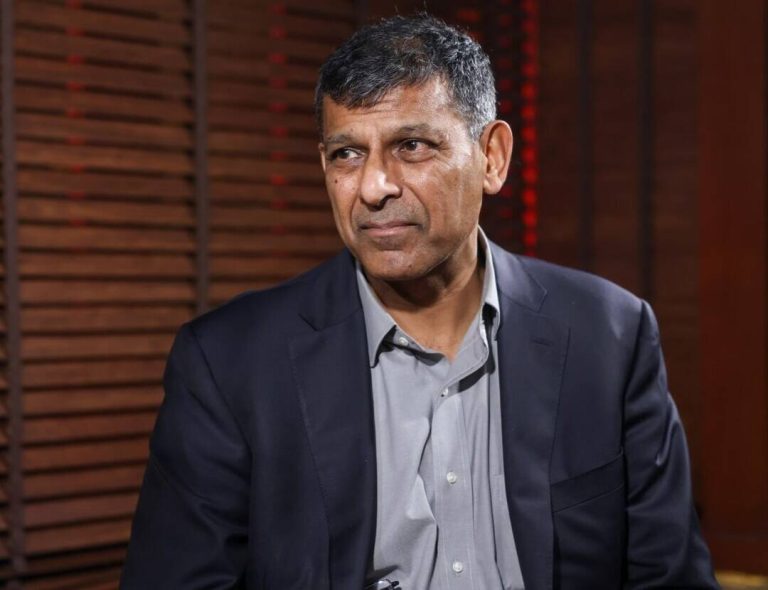
The world is abuzz with the concept of Artificial Intelligence (AI) and its potential to revolutionize the way we live and work. While AI has the potential to automate many tasks, there are concerns about its impact on employment, particularly in India. Recently, former Reserve Bank of India (RBI) Governor Raghuram Rajan weighed in on the issue, stating that hands-on jobs like that of a plumber may survive the AI wave, while a variety of other jobs may become redundant. In this blog post, we will delve into Rajan’s comments and explore the implications of AI on the Indian job market, as well as the shortcomings in the Indian education system.
Rajan’s comments came as a breath of fresh air, as they highlighted the importance of hands-on skills in a world where automation is becoming increasingly prevalent. He pointed out that jobs that require a high degree of human interaction, creativity, and problem-solving skills are less likely to be automated. Plumbers, electricians, and carpenters are just a few examples of professionals who will continue to be in demand, as their work requires a high degree of manual dexterity and problem-solving skills.
On the other hand, Rajan noted that jobs that are repetitive, routine, and can be easily codified are more likely to be automated. This includes jobs such as data entry, bookkeeping, and customer service, which are already being automated in many parts of the world. The implications of this are significant, as it means that many Indians who are currently employed in these sectors may need to acquire new skills to remain relevant in the job market.
Rajan also pointed to the shortcomings in the Indian education system, which he believes is not equipped to provide students with the skills they need to succeed in an AI-driven world. He stated that the current education system is focused too much on rote learning and theoretical knowledge, rather than practical skills and hands-on training. This has resulted in a situation where many Indian graduates are not employable, as they lack the skills that are required by the industry.
To address this issue, Rajan suggested that Indians must understand that not everyone needs a college degree. He emphasized the importance of vocational training and skill development, which can provide students with the practical skills they need to succeed in the job market. He also noted that it’s not rocket science to develop a good skilling model, and that India needs to find a way to provide students with the skills they need to succeed in an AI-driven world.
The implications of Rajan’s comments are significant, as they highlight the need for a fundamental shift in the way we approach education and skill development in India. Rather than focusing solely on theoretical knowledge, we need to provide students with practical skills and hands-on training that can help them succeed in the job market. This requires a collaborative effort between the government, industry, and educational institutions to develop a skilling model that is relevant to the needs of the industry.
Furthermore, Rajan’s comments also highlight the importance of promoting entrepreneurship and innovation in India. As AI automates many tasks, there will be a need for entrepreneurs and innovators who can create new products, services, and jobs that we cannot even imagine today. This requires a culture of innovation and risk-taking, which can be promoted through initiatives such as hackathons, incubators, and accelerators.
In conclusion, Raghuram Rajan’s comments on the future of work in India are a timely reminder of the need to rethink our approach to education and skill development. As AI automates many tasks, it’s essential that we provide students with the practical skills they need to succeed in the job market. This requires a fundamental shift in the way we approach education, as well as a collaborative effort between the government, industry, and educational institutions to develop a skilling model that is relevant to the needs of the industry. By promoting entrepreneurship, innovation, and hands-on skills, we can ensure that India is well-equipped to thrive in an AI-driven world.
About the Author