NVIDIA asks for full upfront payment for chips from Chinese buyers
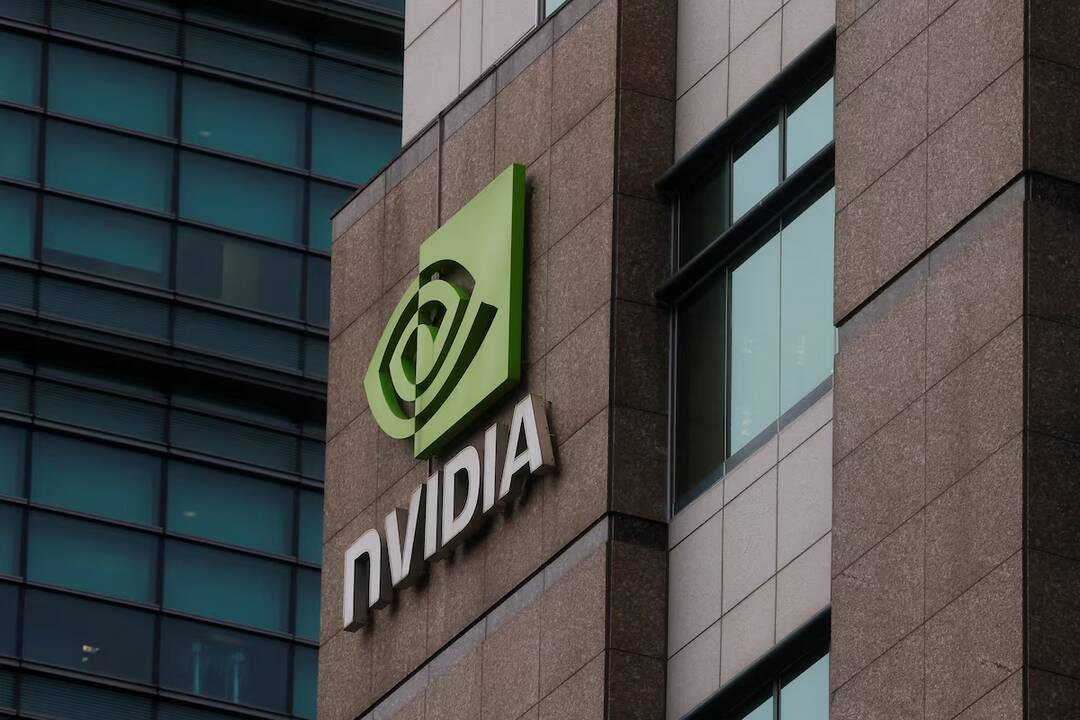
The ongoing tensions between the United States and China have been causing ripples in the tech industry, with several companies feeling the heat. In the latest development, NVIDIA, a leading chipmaker, has taken a significant step that may impact its Chinese customers. According to a report by Reuters, NVIDIA is now seeking full upfront payment from Chinese customers buying its H200 AI chips. This move marks a departure from the company’s earlier practice of allowing clients to place a deposit rather than making full payment upfront.
The new policy, which applies to Chinese buyers of NVIDIA’s H200 AI chips, comes with certain conditions. Once a customer places an order, they will not be able to cancel it, ask for a refund, or change the configuration of the chips. This means that Chinese customers will have to make a full payment for the chips without any flexibility to modify their orders or back out of the deal.
NVIDIA’s decision to demand full upfront payment from Chinese customers is likely a response to the uncertainty surrounding the shipment of its chips to China. The company is apparently trying to mitigate the risks associated with potential regulatory hurdles or other obstacles that may arise in the future. By requiring full payment upfront, NVIDIA can ensure that it receives the payment for its chips, even if the shipment is delayed or blocked by regulatory authorities.
The H200 AI chip is a high-performance processor designed for artificial intelligence and machine learning applications. It is a critical component in many data center and cloud computing infrastructure, and its shipment to China is subject to regulatory approvals. The US government has been tightening its grip on the export of advanced technologies, including AI chips, to China, citing national security concerns.
The lack of clarity on whether Chinese regulators would allow the shipments of NVIDIA’s H200 AI chips has created uncertainty in the market. The company’s move to demand full upfront payment from Chinese customers is seen as a way to navigate this uncertainty and protect its interests.
This development is likely to have significant implications for Chinese customers who rely on NVIDIA’s chips for their AI and machine learning applications. The requirement for full upfront payment may increase the financial burden on these customers, particularly small and medium-sized enterprises that may not have the resources to make large upfront payments.
Moreover, the move may also impact the competitiveness of Chinese companies in the global market. The inability to cancel or modify orders may limit the flexibility of Chinese customers to respond to changing market conditions or technological advancements. This could put them at a disadvantage compared to their counterparts in other countries who may have more flexible payment terms.
The tensions between the US and China have been escalating in recent months, with both countries imposing trade restrictions and tariffs on each other’s goods. The tech industry has been particularly affected, with several US companies, including NVIDIA, facing challenges in shipping their products to China.
In conclusion, NVIDIA’s decision to demand full upfront payment from Chinese customers buying its H200 AI chips reflects the ongoing uncertainty and tensions in the US-China trade relationship. The move is likely to have significant implications for Chinese customers and may impact the competitiveness of Chinese companies in the global market. As the situation continues to evolve, it remains to be seen how NVIDIA’s decision will affect the broader tech industry and the global economy.
About the Author