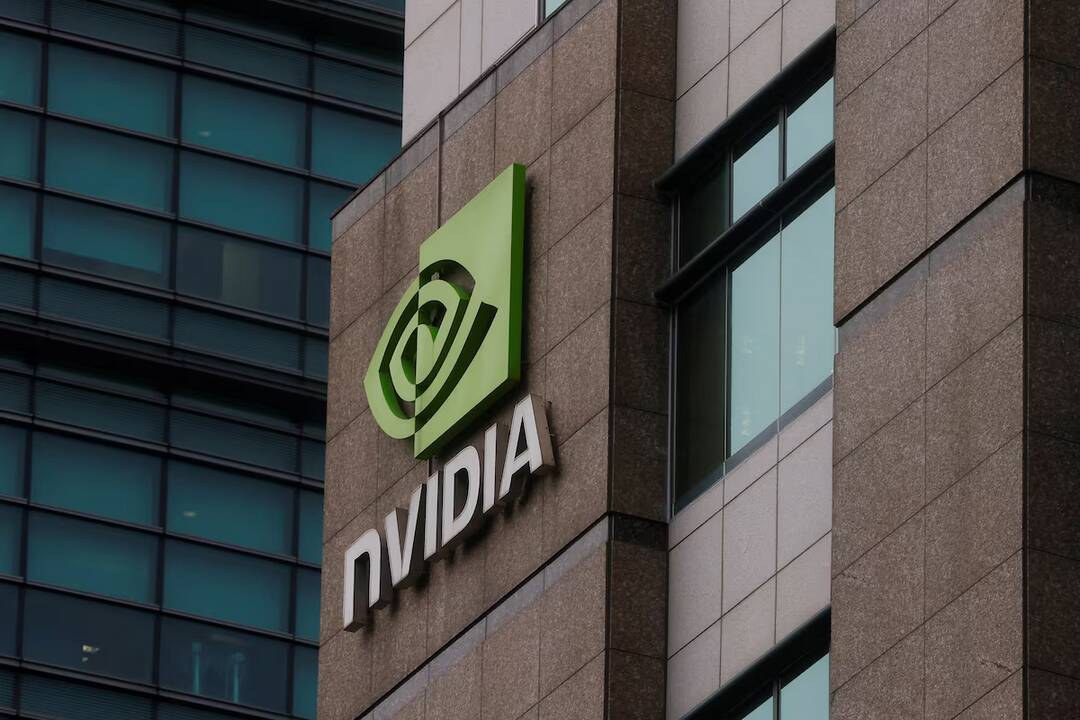
NVIDIA asks for full upfront payment for chips from Chinese buyers
In a significant development, NVIDIA, the leading American technology company, has changed its payment terms for Chinese customers buying its H200 AI chips. According to a report by Reuters, NVIDIA is now seeking full upfront payment from these customers, with no options to cancel, ask for refunds, or change configurations after placement. This move marks a departure from the company’s previous policy, which allowed clients to place a deposit rather than make full payment upfront.
The H200 AI chip is a highly specialized product designed for artificial intelligence applications, and it has been in high demand from Chinese tech companies. However, the geopolitical tensions between the United States and China have created uncertainty around the shipment of these chips to Chinese customers. The US government has been imposing restrictions on the export of advanced technologies to China, citing national security concerns.
NVIDIA’s decision to demand full upfront payment from Chinese buyers is likely a response to the lack of clarity on whether Chinese regulators would allow the shipments. By seeking full payment upfront, NVIDIA is essentially trying to minimize its risks and ensure that it gets paid for its products, even if the shipments are ultimately blocked or delayed.
This move is also seen as a reflection of the growing tensions between the US and China over technology and trade. The two countries have been engaged in a trade war for several years, and the tech industry has been at the forefront of this conflict. The US has been trying to restrict China’s access to advanced technologies, including AI chips, citing concerns over national security and intellectual property theft.
The implications of NVIDIA’s decision are significant, not just for the company but also for the broader tech industry. Chinese tech companies have been major buyers of NVIDIA’s AI chips, and this move could disrupt their supply chains and affect their ability to develop and deploy AI-powered products. This, in turn, could have a ripple effect on the global tech industry, which is heavily dependent on Chinese manufacturing and supply chains.
It is worth noting that NVIDIA is not the only company that has been affected by the US-China trade tensions. Other tech companies, including Intel, Qualcomm, and Micron, have also been impacted by the restrictions on exports to China. These companies have been trying to navigate the complex regulatory landscape and find ways to continue selling their products to Chinese customers while complying with US export controls.
In the short term, NVIDIA’s decision to demand full upfront payment from Chinese buyers may help the company to manage its risks and ensure that it gets paid for its products. However, in the long term, this move could have negative consequences for the company’s relationships with its Chinese customers and its overall business in China. Chinese tech companies may be forced to look for alternative suppliers of AI chips, which could erode NVIDIA’s market share and revenue in the region.
Furthermore, this move could also have broader implications for the global tech industry. The US-China trade tensions have already created a lot of uncertainty and instability in the industry, and NVIDIA’s decision could exacerbate these trends. The tech industry is highly interconnected, and any disruption to supply chains or trade flows could have far-reaching consequences for companies and consumers around the world.
In conclusion, NVIDIA’s decision to demand full upfront payment from Chinese buyers of its H200 AI chips is a significant development that reflects the growing tensions between the US and China over technology and trade. While this move may help NVIDIA to manage its risks in the short term, it could have negative consequences for the company’s relationships with its Chinese customers and its overall business in China. The broader implications of this move are also significant, and they could have far-reaching consequences for the global tech industry.
About the Author