NVIDIA asks for full upfront payment for chips from Chinese buyers
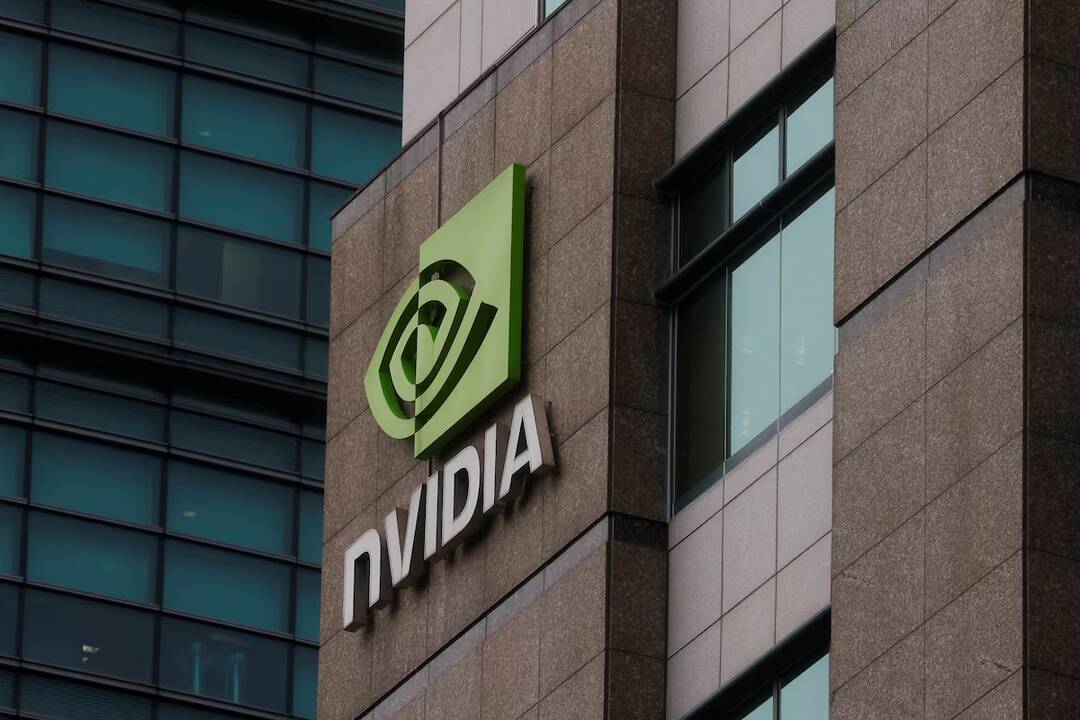
The ongoing tensions between the US and China have led to a significant impact on the tech industry, with several companies feeling the heat. In a recent development, NVIDIA, a leading chipmaker, has decided to change its payment terms for Chinese customers buying its H200 AI chips. According to a report by Reuters, NVIDIA is now seeking full upfront payment from Chinese buyers, with no options to cancel, ask for refunds, or change configurations after placement.
This move marks a significant shift in NVIDIA’s payment policy, as the company earlier allowed clients to place a deposit rather than making full payment upfront. The change in payment terms is likely a response to the uncertainty surrounding the shipment of AI chips to China. The US government has imposed restrictions on the export of advanced AI chips to China, citing national security concerns. As a result, NVIDIA is taking a cautious approach to ensure that it complies with the regulations while also protecting its business interests.
The H200 AI chip is a high-performance chip designed for data centers and cloud computing applications. It is a critical component in the development of artificial intelligence and machine learning technologies. Chinese companies, including tech giants like Alibaba and Baidu, are major customers of NVIDIA’s AI chips. However, the ongoing trade tensions and regulatory uncertainty have created a challenging environment for these companies to procure the necessary components.
NVIDIA’s decision to seek full upfront payment from Chinese buyers is likely driven by the risk of non-payment or cancellation of orders. The company may be concerned that Chinese regulators could block the shipment of AI chips, leaving NVIDIA with a significant inventory of unsold products. By seeking full payment upfront, NVIDIA can minimize its exposure to potential losses and ensure that it receives payment for its products.
The move is also seen as a response to the increasingly complex regulatory landscape surrounding the export of AI chips to China. The US government has imposed restrictions on the export of advanced AI chips to China, citing national security concerns. The restrictions are part of a broader effort to limit China’s access to advanced technologies and prevent the country from using them for military or surveillance purposes.
The impact of NVIDIA’s decision on Chinese buyers is likely to be significant. Many Chinese companies may struggle to pay the full upfront payment, particularly smaller firms that may not have the necessary financial resources. This could lead to a decline in demand for NVIDIA’s AI chips in China, which could have a negative impact on the company’s revenue.
The development is also likely to have a broader impact on the tech industry, particularly in the areas of artificial intelligence and machine learning. The restrictions on the export of AI chips to China could limit the country’s ability to develop and deploy AI technologies, which could have significant implications for the global tech industry.
In conclusion, NVIDIA’s decision to seek full upfront payment from Chinese buyers is a reflection of the ongoing tensions between the US and China. The move is likely driven by the risk of non-payment or cancellation of orders, as well as the regulatory uncertainty surrounding the export of AI chips to China. While the decision may have a negative impact on Chinese buyers, it is also a necessary step for NVIDIA to protect its business interests and comply with regulatory requirements.
As the tech industry continues to evolve, it is likely that we will see more developments related to the export of AI chips to China. The US government’s restrictions on the export of advanced AI chips to China are likely to remain in place, and companies like NVIDIA will need to navigate the complex regulatory landscape to ensure compliance.
For now, NVIDIA’s decision to seek full upfront payment from Chinese buyers is a significant development that highlights the challenges of doing business in a rapidly changing and highly regulated environment. As the situation continues to unfold, it will be interesting to see how NVIDIA and other tech companies respond to the evolving regulatory landscape.
About the Author