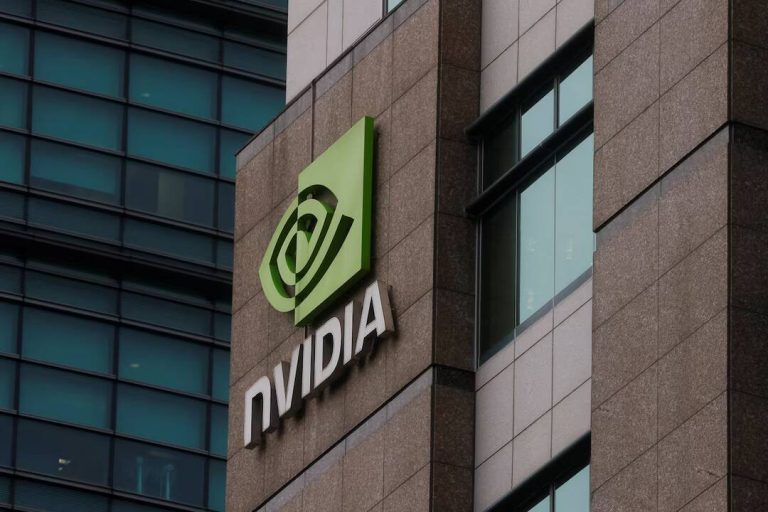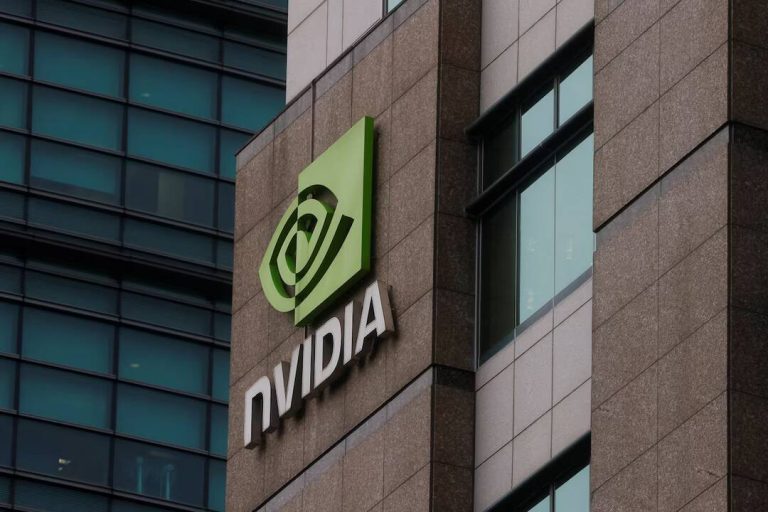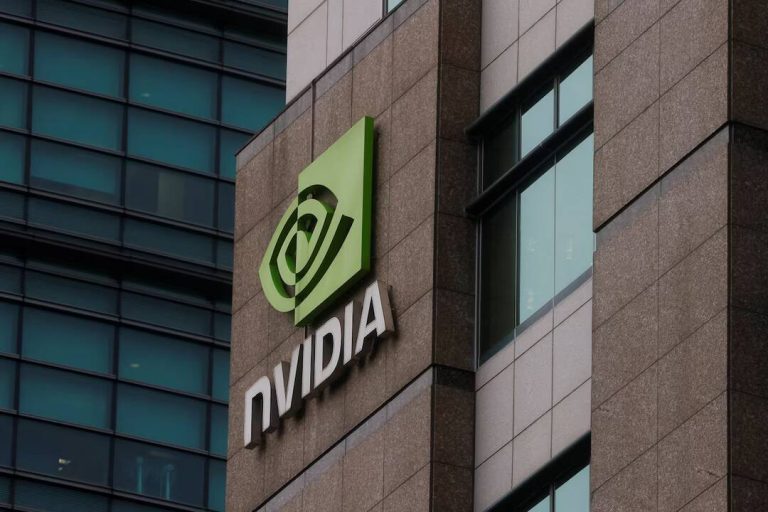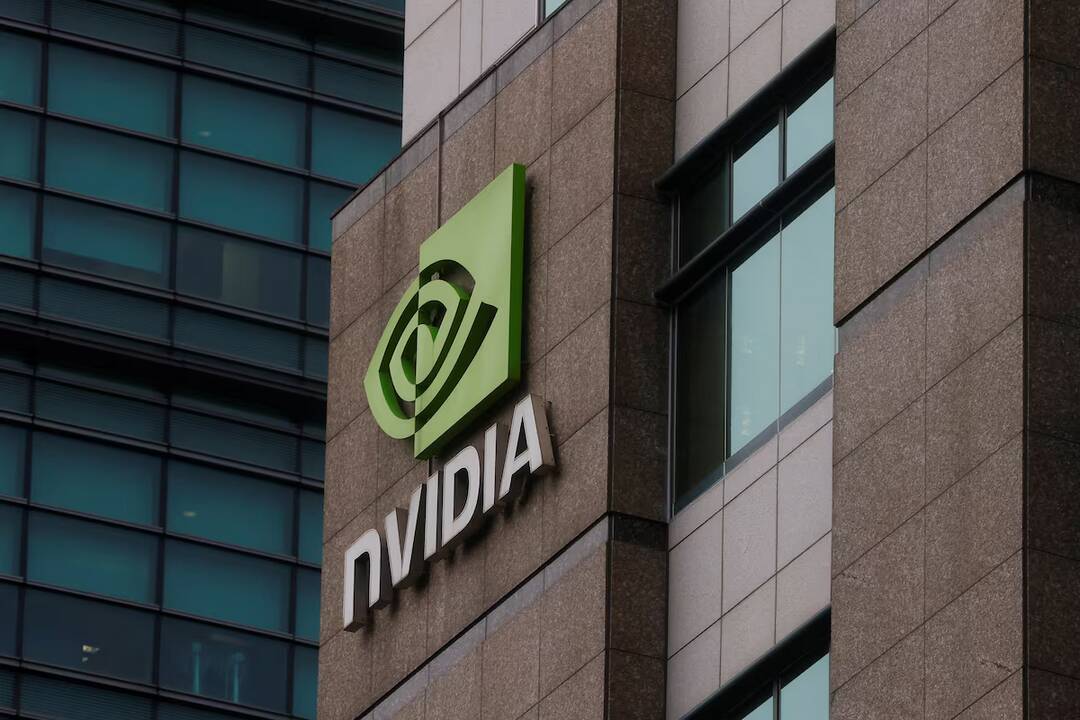
NVIDIA asks for full upfront payment for chips from Chinese buyers
The ongoing tensions between the United States and China have been affecting various industries, including the technology sector. The latest development in this regard is NVIDIA’s decision to seek full upfront payment from Chinese customers buying its H200 AI chips. According to a report by Reuters, the chipmaker is no longer allowing clients to place a deposit rather than making full payment upfront. This move comes amid a lack of clarity on whether Chinese regulators would allow the shipments, highlighting the uncertain environment that technology companies are operating in.
The H200 AI chip is a highly sought-after product, particularly in the Chinese market, where companies are looking to leverage artificial intelligence to drive innovation and growth. However, the geopolitical tensions between the US and China have created a sense of uncertainty, with regulators on both sides imposing restrictions on the export and import of certain technologies. In this context, NVIDIA’s decision to demand full upfront payment from Chinese buyers can be seen as a risk-mitigation strategy.
Previously, NVIDIA allowed clients to place a deposit, which would secure their order, and then pay the remaining amount later. This approach provided flexibility to both the buyer and the seller, as it allowed for cancellations, refunds, or changes in configurations after the placement of the order. However, with the new policy, Chinese buyers will have to make full payment upfront, with no options to cancel, ask for refunds, or change configurations after the order has been placed.
This move is likely to have significant implications for Chinese companies that are looking to purchase NVIDIA’s H200 AI chips. On one hand, it may deter some buyers who are not willing or able to make full payment upfront. On the other hand, it may also create opportunities for other chipmakers who are willing to offer more flexible payment terms. The Chinese government has been actively promoting the development of domestic chipmaking capabilities, and this move by NVIDIA may accelerate that process.
The lack of clarity on whether Chinese regulators would allow the shipments of NVIDIA’s H200 AI chips is also a significant factor in this decision. The US government has imposed restrictions on the export of certain AI-related technologies to China, citing national security concerns. In response, the Chinese government has also imposed its own restrictions on the import of certain technologies from the US. This has created a complex and uncertain environment for technology companies operating in this space.
NVIDIA’s decision to demand full upfront payment from Chinese buyers is also a reflection of the broader trends in the technology industry. As tensions between the US and China continue to escalate, companies are looking for ways to mitigate risks and protect their interests. This may involve diversifying supply chains, developing new products and services, or exploring new markets. In this context, NVIDIA’s move can be seen as a proactive step to manage risks and ensure the company’s long-term viability.
The implications of this move go beyond the technology industry, as it highlights the broader economic and geopolitical trends that are shaping the world today. The trade tensions between the US and China have been ongoing for several years, and they have affected various industries, from agriculture to manufacturing. The technology sector, in particular, has been heavily impacted, with companies on both sides facing restrictions and uncertainty.
In conclusion, NVIDIA’s decision to seek full upfront payment from Chinese customers buying its H200 AI chips is a significant development that reflects the uncertain environment in which technology companies are operating. The lack of clarity on whether Chinese regulators would allow the shipments, combined with the geopolitical tensions between the US and China, has created a complex and challenging landscape for companies like NVIDIA. As the situation continues to evolve, it will be interesting to see how other companies respond and adapt to these changing circumstances.
About the Author