NVIDIA asks for full upfront payment for chips from Chinese buyers
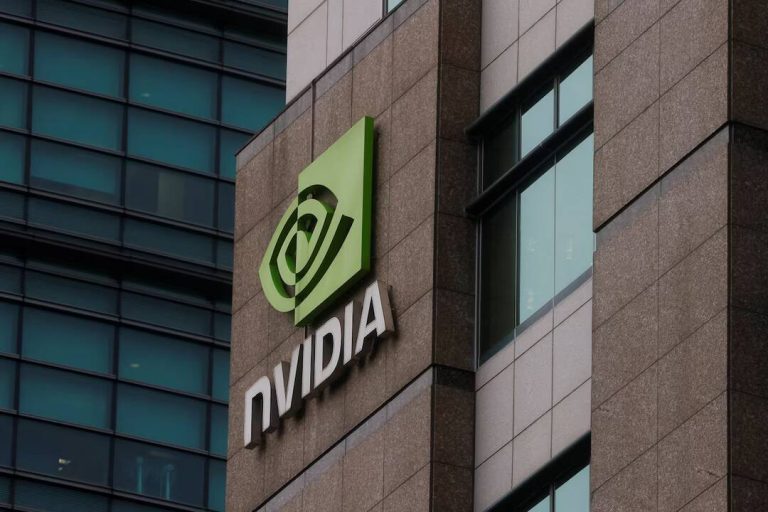
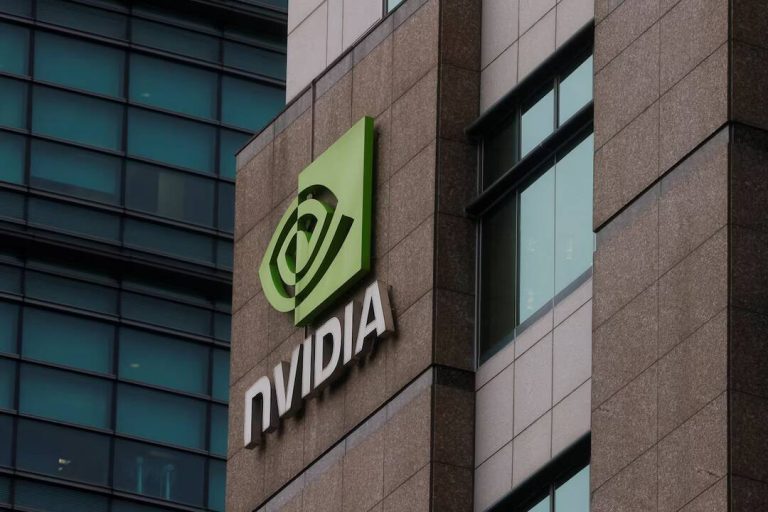
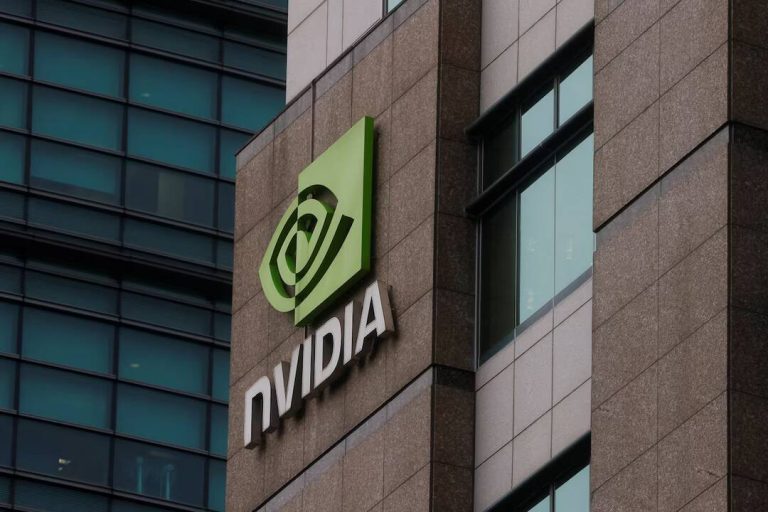
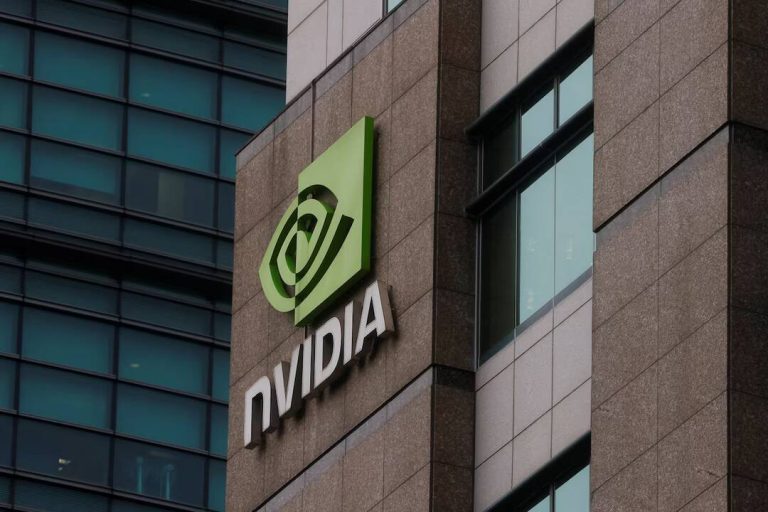
The world of technology is abuzz with the latest development in the ongoing saga of geopolitical tensions between the US and China. In a bold move, NVIDIA, a leading American technology company, has started demanding full upfront payment from Chinese customers for its H200 AI chips. This new policy, as reported by Reuters, marks a significant shift from the company’s earlier practice of allowing clients to place a deposit rather than making full payment upfront.
The H200 AI chips are a crucial component in the development of artificial intelligence (AI) and machine learning (ML) technologies. These chips are designed to handle complex computations and are used in a wide range of applications, from data centers to autonomous vehicles. The demand for these chips has been on the rise, driven by the growing need for AI and ML capabilities across various industries.
However, the shipment of these chips to Chinese customers has been shrouded in uncertainty due to the ongoing trade tensions between the US and China. The US government has been imposing restrictions on the export of advanced technologies, including AI chips, to China, citing national security concerns. As a result, NVIDIA is seeking to minimize its risks by demanding full payment upfront from Chinese buyers.
The new policy, which applies to all Chinese customers buying H200 AI chips, leaves no room for cancellations, refunds, or changes in configuration after the order has been placed. This means that once a Chinese customer places an order, they will have to pay the full amount upfront, without any option to back out or modify their order.
This move by NVIDIA is seen as a prudent step to protect its interests in the face of uncertain regulatory environments. The company is likely trying to avoid a situation where it ships the chips to Chinese customers only to find out later that the regulators have blocked the transaction. By demanding full payment upfront, NVIDIA is ensuring that it gets paid for its products, regardless of whether the shipment is ultimately allowed or not.
The implications of this move are far-reaching, and it remains to be seen how Chinese customers will respond to this new policy. Some may view this as a sign of NVIDIA’s lack of confidence in the Chinese market, while others may see it as a necessary step to ensure the company’s financial security.
The ongoing trade tensions between the US and China have created a complex web of regulations and restrictions that are affecting businesses across the globe. The technology sector, in particular, has been hit hard, with companies like NVIDIA, Google, and Huawei facing significant challenges in navigating the uncertain regulatory landscape.
In recent years, the US government has imposed various restrictions on the export of advanced technologies to China, citing concerns over national security and intellectual property theft. These restrictions have affected not only US companies but also their global partners and suppliers, who are struggling to comply with the complex and ever-changing regulatory requirements.
The demand for full upfront payment from Chinese buyers is not the only challenge facing NVIDIA in the Chinese market. The company is also grappling with the lack of clarity on whether Chinese regulators would allow the shipment of its H200 AI chips. The Chinese government has been imposing its own set of restrictions on the import of advanced technologies, and it is unclear whether NVIDIA’s chips would be allowed to enter the country.
As the situation continues to evolve, one thing is clear: the ongoing trade tensions between the US and China are having a significant impact on the global technology industry. Companies like NVIDIA are being forced to adapt to the changing regulatory landscape, and the demand for full upfront payment from Chinese buyers is just one example of the creative solutions that companies are coming up with to navigate these challenges.
In conclusion, NVIDIA’s decision to demand full upfront payment from Chinese buyers for its H200 AI chips is a significant development in the ongoing saga of geopolitical tensions between the US and China. As the situation continues to unfold, it remains to be seen how Chinese customers will respond to this new policy and how the company will navigate the complex regulatory landscape.
About the Author