NVIDIA asks for full upfront payment for chips from Chinese buyers
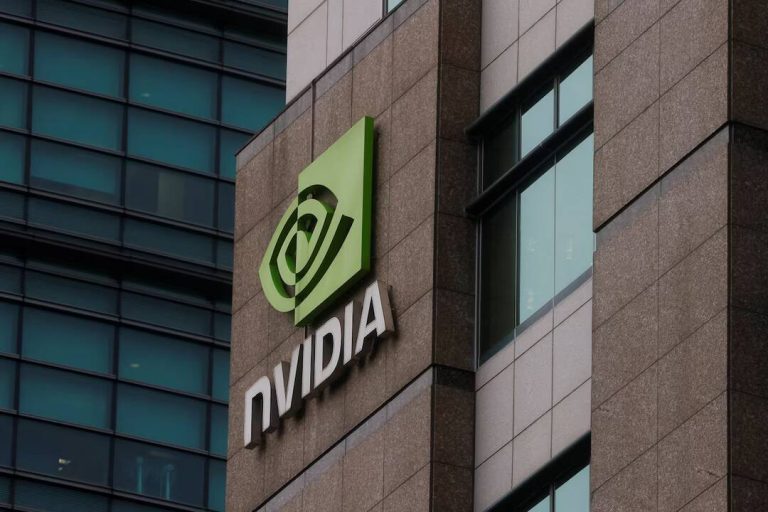
In a significant development, NVIDIA, a leading American technology company, has started demanding full upfront payment from its Chinese customers for its H200 AI chips. According to a report by Reuters, the company is no longer allowing its clients to place a deposit, instead, it is seeking full payment upfront with no options to cancel, ask for refunds, or change configurations after the placement of the order. This move by NVIDIA comes at a time when there is a lack of clarity on whether Chinese regulators would allow the shipments of its AI chips to Chinese customers.
The H200 AI chip is a high-performance chip designed for artificial intelligence applications, and it is widely used in data centers and other industries. NVIDIA’s decision to demand full upfront payment from its Chinese customers is seen as a significant shift in its business strategy, particularly in the context of the ongoing geopolitical tensions between the United States and China.
Earlier, NVIDIA allowed its clients to place a deposit, which was a common practice in the industry. However, with the new policy, Chinese customers will have to pay the full amount upfront, which could be a significant burden for some companies. The move is also seen as a way for NVIDIA to mitigate the risks associated with the uncertainty surrounding the shipments of its AI chips to China.
The lack of clarity on whether Chinese regulators would allow the shipments of NVIDIA’s AI chips to Chinese customers is due to the ongoing tensions between the United States and China. The US government has been imposing restrictions on the export of advanced technologies, including AI chips, to China, citing national security concerns. As a result, NVIDIA and other American technology companies have been facing challenges in selling their products to Chinese customers.
NVIDIA’s decision to demand full upfront payment from its Chinese customers is likely to have significant implications for the company’s business in China. The move could lead to a decline in sales, as some Chinese customers may not be willing or able to pay the full amount upfront. Additionally, the decision could also lead to a loss of market share for NVIDIA, as Chinese customers may opt for alternative products from other companies that do not have the same payment requirements.
The development also highlights the challenges faced by American technology companies in doing business with China. The ongoing geopolitical tensions between the two countries have created a complex and uncertain business environment, which is making it difficult for companies to navigate. The situation is further complicated by the fact that China is a significant market for many American technology companies, including NVIDIA.
In recent years, NVIDIA has been expanding its business in China, and the country has become an important market for the company. However, the ongoing tensions between the US and China have created challenges for NVIDIA and other American technology companies operating in the country. The company has been working to comply with the US government’s restrictions on the export of advanced technologies to China, while also trying to maintain its business relationships with Chinese customers.
The demand for full upfront payment from Chinese customers is not the only challenge faced by NVIDIA in China. The company is also facing competition from Chinese companies, such as Huawei and Baidu, which are developing their own AI chips and other advanced technologies. The competition is likely to intensify in the coming years, as China continues to invest heavily in the development of its technology sector.
In conclusion, NVIDIA’s decision to demand full upfront payment from its Chinese customers for its H200 AI chips is a significant development that highlights the challenges faced by American technology companies in doing business with China. The move is likely to have significant implications for NVIDIA’s business in China and may lead to a decline in sales and a loss of market share. As the geopolitical tensions between the US and China continue to escalate, it is likely that we will see more such developments in the future.
About the Author