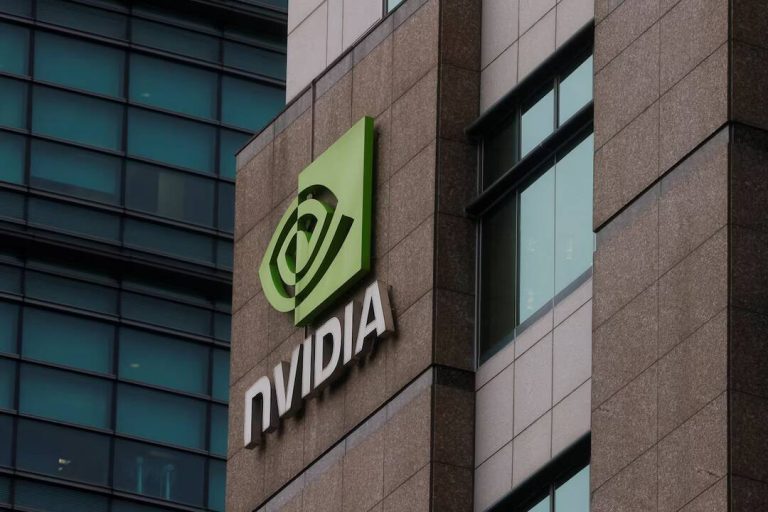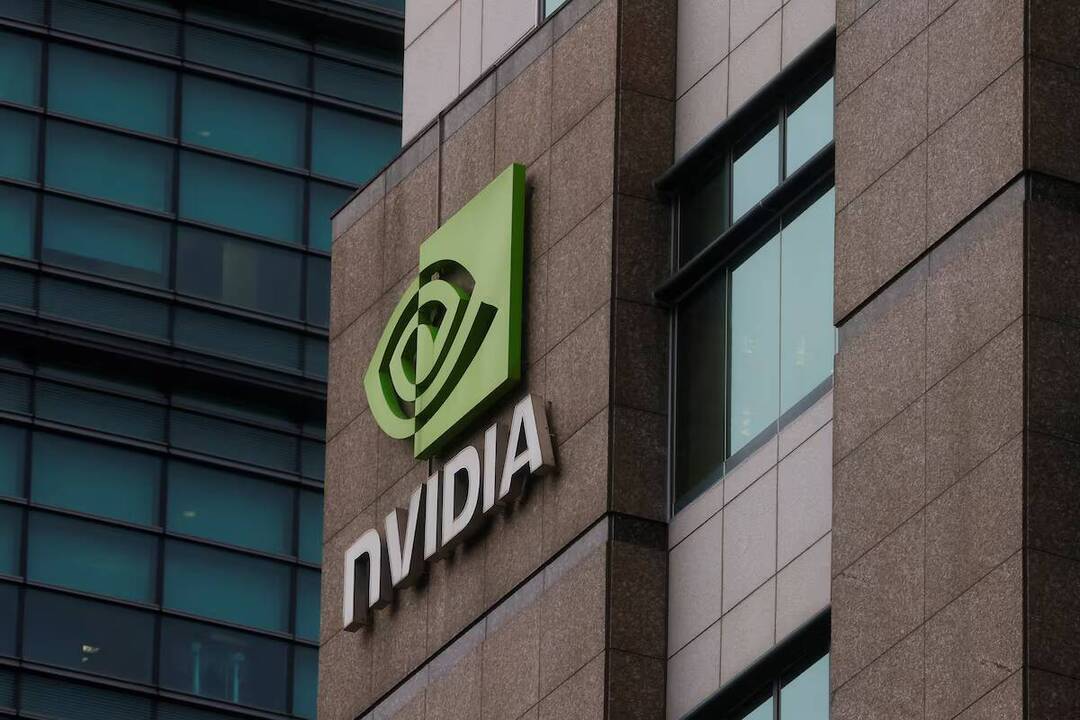
NVIDIA asks for full upfront payment for chips from Chinese buyers
The world of technology is constantly evolving, with advancements in artificial intelligence (AI) and chip manufacturing being at the forefront. However, the ongoing geopolitical tensions between the United States and China have led to a significant shift in the way businesses operate, especially in the tech industry. Recently, NVIDIA, a leading chipmaker, has made a notable change in its payment policies for Chinese customers buying its H200 AI chips. According to a report by Reuters, NVIDIA is now seeking full upfront payment from these customers, with no options to cancel, ask for refunds, or change configurations after placement.
This move marks a significant departure from the company’s previous policy, which allowed clients to place a deposit rather than making full payment upfront. The change in policy is largely seen as a response to the uncertainty surrounding the shipment of AI chips to China. The US government has been tightening its grip on the export of advanced technologies, including AI chips, to China, citing national security concerns. As a result, NVIDIA is taking a cautious approach to ensure that it complies with all relevant regulations and avoids any potential risks.
The H200 AI chip is a highly advanced processor designed for AI applications, including natural language processing, computer vision, and machine learning. These chips are in high demand, particularly among Chinese tech companies, which are looking to leverage AI to drive innovation and growth. However, the lack of clarity on whether Chinese regulators would allow the shipments of these chips has created a sense of uncertainty among buyers and sellers alike.
By demanding full upfront payment, NVIDIA is essentially transferring the risk to the buyer. This means that Chinese customers will have to pay the full amount for the chips before they are shipped, without any assurance that they will be able to use them as intended. This approach may deter some buyers, particularly smaller companies or startups, which may not have the financial resources to make such a significant upfront payment.
The implications of this policy change are far-reaching, and it remains to be seen how Chinese customers will respond. Some may be willing to pay the full amount upfront, given the strategic importance of AI chips in their business operations. Others, however, may explore alternative options, such as buying chips from other manufacturers or developing their own AI capabilities.
The move by NVIDIA is also likely to have a ripple effect on the broader tech industry. Other chipmakers may follow suit, and we may see a shift towards more stringent payment terms for Chinese customers. This could lead to a decrease in demand for AI chips, at least in the short term, as buyers adjust to the new payment terms.
Furthermore, the policy change highlights the complexities of doing business in the tech industry, particularly when it comes to sensitive technologies like AI. The ongoing trade tensions between the US and China have created a challenging environment for companies like NVIDIA, which must navigate complex regulatory requirements while trying to meet the demands of their customers.
In conclusion, NVIDIA’s decision to demand full upfront payment from Chinese buyers of its H200 AI chips reflects the uncertain and rapidly changing landscape of the tech industry. As the US and China continue to navigate their complex trade relationship, companies like NVIDIA must adapt to the new reality and find ways to manage risk while meeting the demands of their customers. Whether this policy change will have a significant impact on the demand for AI chips remains to be seen, but one thing is certain – the tech industry will continue to evolve and innovate, despite the challenges posed by geopolitical tensions.
About the Author