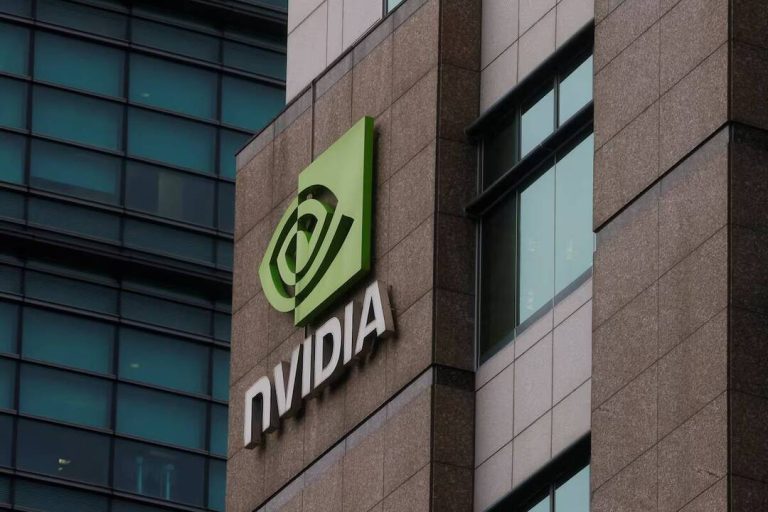
NVIDIA asks for full upfront payment for chips from Chinese buyers
In a significant development, NVIDIA, a leading American technology company, has taken a drastic step in its dealings with Chinese customers. According to a report by Reuters, the chipmaker is now seeking full upfront payment from Chinese buyers for its H200 AI chips. This move marks a departure from the company’s previous policy, where clients could place a deposit rather than making full payment upfront. The new requirement also comes with stringent conditions, including no options to cancel, ask for refunds, or change configurations after placement.
The H200 AI chip is a highly sought-after product, particularly in the Chinese market, where it is used in various applications, including data centers, cloud computing, and artificial intelligence. However, the geopolitical tensions between the United States and China have created uncertainty around the shipment of these chips to Chinese customers. The US government has imposed restrictions on the export of advanced chips to China, citing national security concerns. As a result, NVIDIA is taking a cautious approach to ensure that it complies with all applicable regulations.
By demanding full upfront payment, NVIDIA is essentially mitigating its risks in case the shipments are blocked or delayed due to regulatory issues. The company is also protecting itself from potential losses that may arise from cancellations or changes in configurations. The move is likely to impact Chinese customers, who may be required to pay a significant amount upfront without any guarantee of delivery.
The lack of clarity on whether Chinese regulators would allow the shipments has contributed to NVIDIA’s decision. The company is navigating a complex regulatory landscape, where the rules and restrictions are constantly evolving. In such a scenario, it is essential for NVIDIA to take a prudent approach to ensure that its business operations are not disrupted.
The implications of this move are far-reaching, and it may have significant consequences for the Chinese technology industry. The H200 AI chip is a critical component in many Chinese data centers and cloud computing infrastructure. If Chinese customers are unable to access these chips, it may hinder the growth of the industry and create opportunities for other players to fill the gap.
Furthermore, this development highlights the escalating trade tensions between the US and China. The restrictions on chip exports are part of a broader effort by the US government to limit China’s access to advanced technologies. The move is seen as a way to protect American interests and prevent China from gaining a strategic advantage in critical areas like artificial intelligence, 5G, and quantum computing.
The Chinese government has responded to these restrictions by promoting domestic chip development and reducing dependence on foreign technologies. However, the process of developing advanced chips is complex and time-consuming, requiring significant investments in research and development. In the short term, Chinese companies may be forced to rely on alternative suppliers or explore other options to meet their chip requirements.
In conclusion, NVIDIA’s decision to demand full upfront payment from Chinese customers for its H200 AI chips reflects the uncertain regulatory environment and the company’s efforts to mitigate risks. The move may have significant implications for the Chinese technology industry and highlights the ongoing trade tensions between the US and China. As the situation continues to evolve, it will be interesting to see how NVIDIA and other chipmakers navigate the complex landscape and adapt to changing regulatory requirements.
About the Author