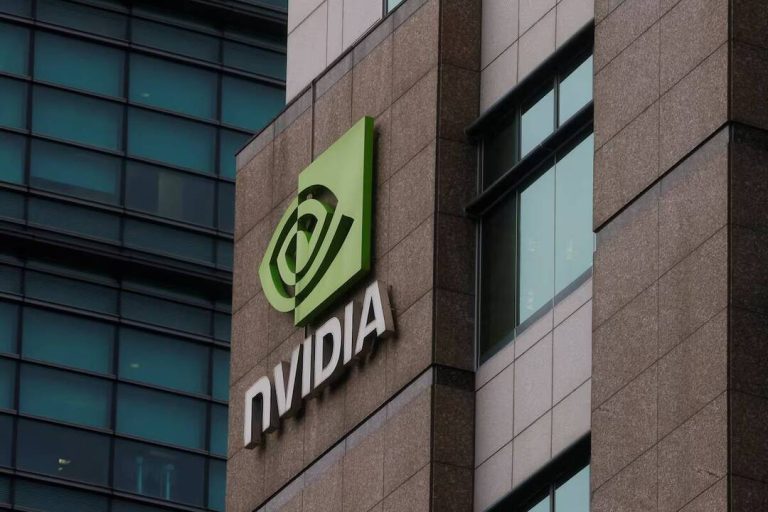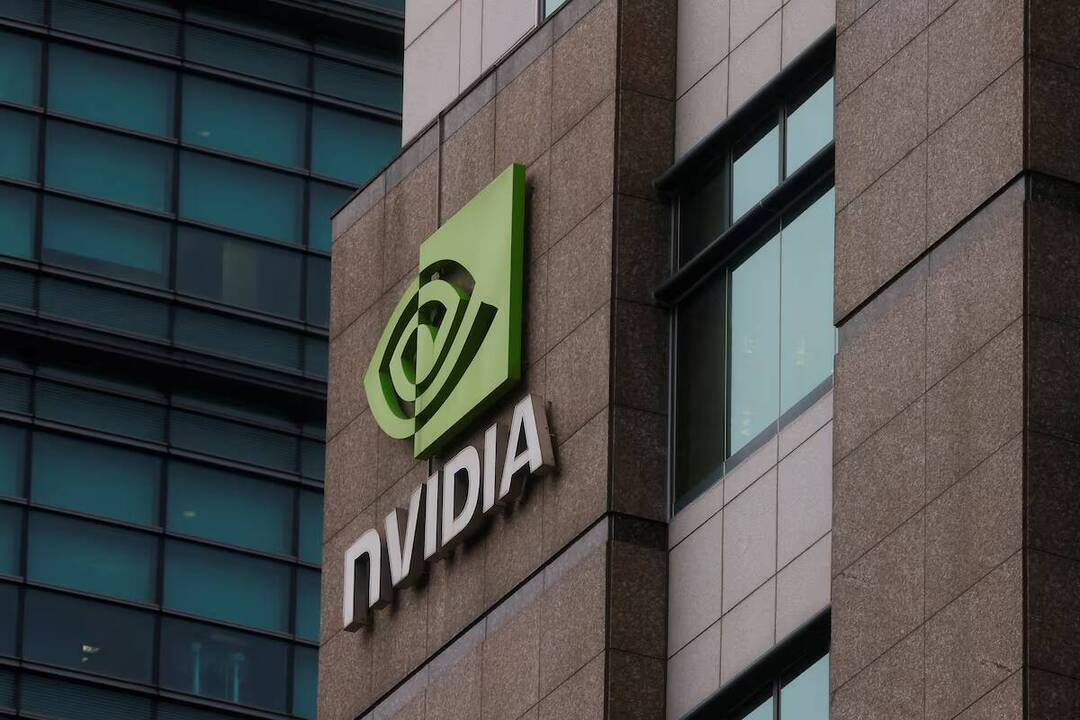
NVIDIA asks for full upfront payment for chips from Chinese buyers
In a move that reflects the growing uncertainty and tensions in the global semiconductor industry, NVIDIA has started demanding full upfront payment from Chinese customers for its H200 AI chips. According to a report by Reuters, the company is no longer allowing clients to place a deposit or make partial payments, instead requiring full payment before shipping the chips. This new policy also comes with strict conditions, including no options to cancel, ask for refunds, or change configurations after placement.
This development is significant, as it highlights the challenges faced by NVIDIA and other chipmakers in navigating the complex and increasingly fraught landscape of international trade and geopolitics. The company’s H200 AI chips are highly sought after for their advanced capabilities in artificial intelligence and machine learning, making them a critical component in a wide range of applications, from data centers and cloud computing to autonomous vehicles and healthcare.
In the past, NVIDIA had allowed clients to place a deposit rather than make full payment upfront, providing a degree of flexibility and risk management for both parties. However, the company’s move to demand full upfront payment suggests that it is seeking to mitigate its own risks and uncertainties in the face of growing tensions between the US and China.
The lack of clarity on whether Chinese regulators would allow the shipments of NVIDIA’s AI chips is a major factor behind the company’s decision. The US has imposed significant restrictions on the export of advanced semiconductor technology to China, citing national security concerns and the need to prevent the misuse of such technology for military or other malicious purposes. As a result, NVIDIA and other chipmakers are facing increasing uncertainty and risk in their dealings with Chinese customers.
By demanding full upfront payment, NVIDIA is effectively transferring the risk to its Chinese customers, who will have to pay the full amount without any assurance that they will receive the chips or be able to use them as intended. This move is likely to be seen as a pragmatic response to the challenging business environment, but it may also have significant implications for NVIDIA’s relationships with its Chinese customers and partners.
The geopolitical tensions between the US and China have been escalating in recent years, with the trade war and technology rivalry between the two nations having a major impact on the global semiconductor industry. The US has been seeking to restrict China’s access to advanced semiconductor technology, citing concerns about intellectual property theft, national security, and the potential for such technology to be used for military or other malicious purposes.
In response, China has been seeking to develop its own domestic semiconductor industry, with significant investments in research and development, manufacturing, and talent acquisition. However, the country still relies heavily on imports of advanced semiconductor technology, including AI chips from companies like NVIDIA.
The implications of NVIDIA’s move to demand full upfront payment from Chinese customers are far-reaching and complex. On the one hand, it reflects the company’s efforts to navigate the challenging business environment and mitigate its risks in the face of growing uncertainty and tensions. On the other hand, it may also have significant consequences for NVIDIA’s relationships with its Chinese customers and partners, as well as for the broader semiconductor industry.
As the global semiconductor industry continues to evolve and navigate the complexities of international trade and geopolitics, companies like NVIDIA will need to be increasingly agile and adaptable in their business strategies and risk management practices. The demand for full upfront payment from Chinese customers is just one example of the creative solutions that companies are developing to manage their risks and uncertainties in this challenging environment.
In conclusion, NVIDIA’s move to demand full upfront payment from Chinese customers for its H200 AI chips is a significant development that reflects the growing uncertainty and tensions in the global semiconductor industry. As the company seeks to mitigate its risks and navigate the complex landscape of international trade and geopolitics, it is likely to have significant implications for its relationships with Chinese customers and partners, as well as for the broader industry.
About the Author