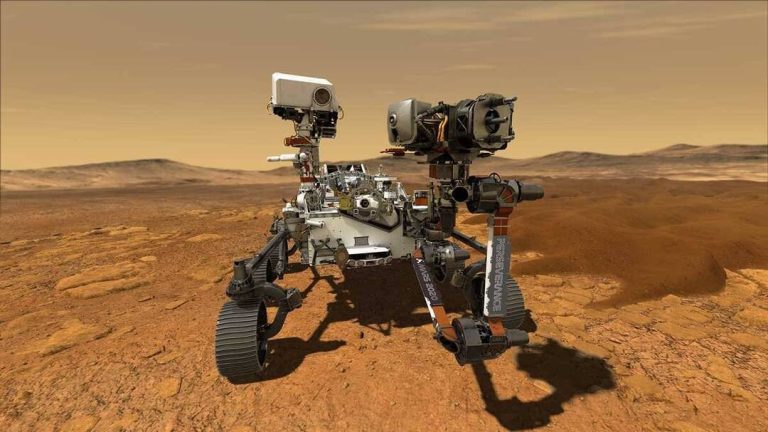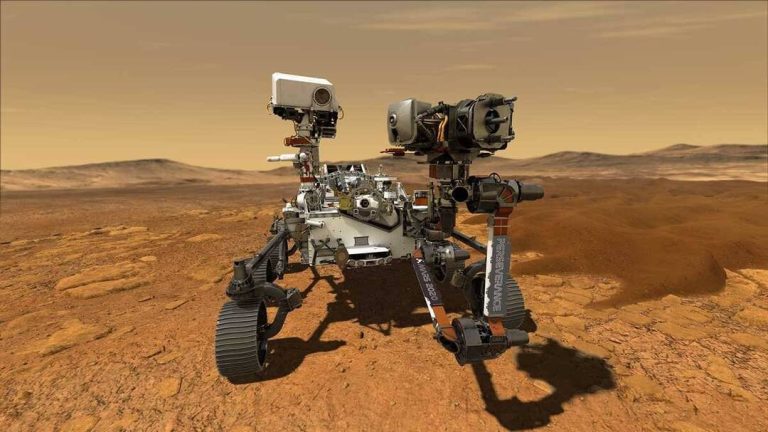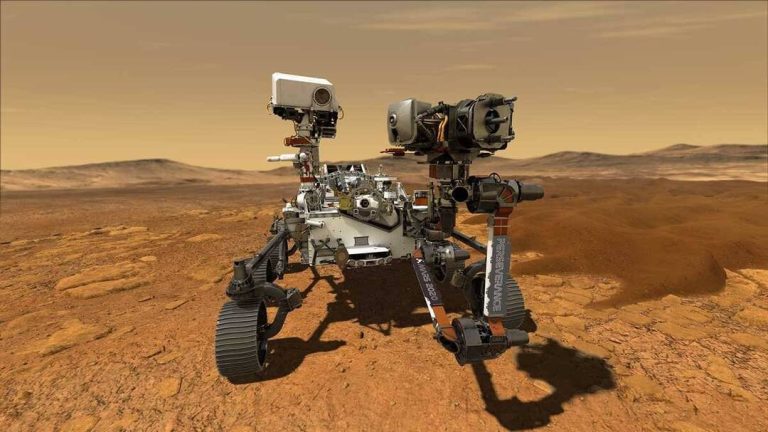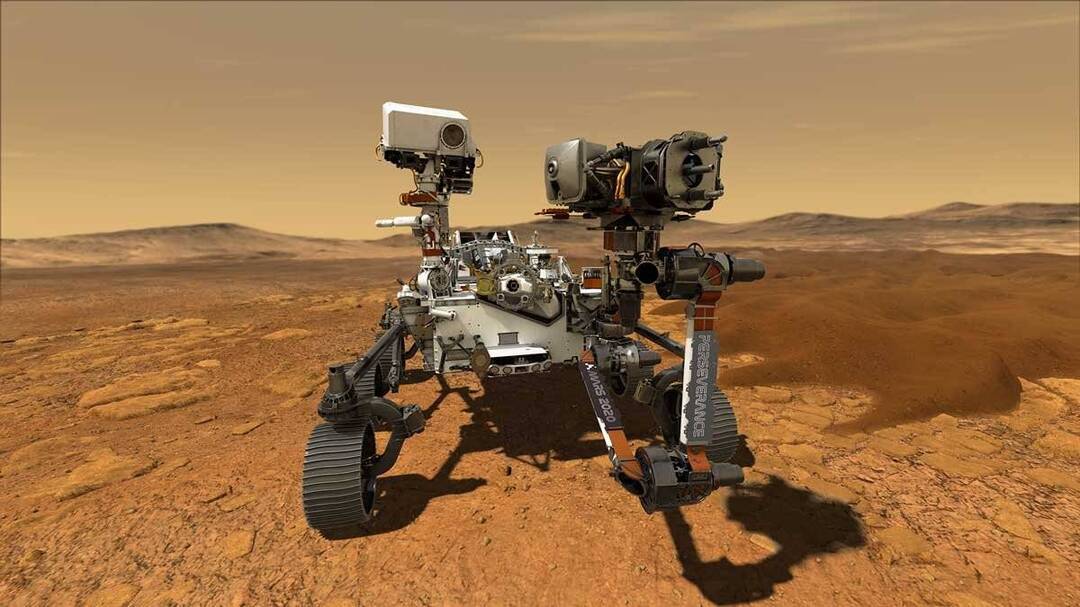
NASA’s Perseverance rover completes 1st AI-planned drive on Mars
In a groundbreaking achievement, NASA’s Perseverance rover has successfully completed its first drive on Mars that was planned by artificial intelligence. The demonstration, which took place on December 8 and 10, was led by NASA’s Jet Propulsion Laboratory in Southern California. This milestone marks a significant advancement in the use of AI in space exploration and paves the way for more efficient and autonomous exploration of other worlds.
According to NASA, the AI-planned drive was a complex process that involved the use of advanced algorithms and machine learning techniques. The rover’s AI system was tasked with navigating the Martian terrain, avoiding obstacles, and selecting the most efficient route to reach its destination. The AI system used a combination of data from the rover’s instruments, including its cameras, lidar, and radar, to create a detailed map of the terrain and plan the drive.
The demonstration was a resounding success, with the Perseverance rover completing the drive without any issues. The rover’s AI system successfully navigated the Martian terrain, avoiding rocks and other obstacles, and reached its destination as planned. The success of this demonstration shows the potential of AI in space exploration and highlights the advancements that have been made in this field.
“This demonstration shows how far our capabilities have advanced and broadens how we will explore other worlds,” NASA Administrator Jared Isaacman said. “The use of AI in space exploration has the potential to revolutionize the way we explore the universe, and we are excited to see the possibilities that this technology holds.”
The use of AI in space exploration has been a focus area for NASA in recent years. The agency has been investing in the development of AI technologies that can be used to support space missions, including robotic missions like the Perseverance rover. The goal is to create AI systems that can autonomously navigate and explore other worlds, without the need for human intervention.
The Perseverance rover is an ideal platform for testing AI technologies, given its advanced instrumentation and communication capabilities. The rover is equipped with a range of instruments, including cameras, spectrometers, and radar, which provide a wealth of data that can be used to support AI decision-making. The rover’s communication system also allows for real-time communication with Earth, enabling scientists to monitor the rover’s progress and provide feedback.
The success of the AI-planned drive demonstration is a significant milestone for the Perseverance rover mission. The rover has been operating on Mars since February 2021 and has been conducting a range of scientific experiments, including the search for signs of past or present life on Mars. The rover’s AI system has been used to support a range of activities, including navigation, instrument operation, and data analysis.
The use of AI in space exploration has the potential to transform the way we explore the universe. AI systems can process vast amounts of data, identify patterns, and make decisions in real-time, allowing for more efficient and autonomous exploration. The use of AI also has the potential to reduce the risk of human error, which is a significant concern in space missions.
In the future, NASA plans to use AI in a range of space missions, including the upcoming Artemis missions to the Moon and the Mars Sample Return mission. The agency is also investing in the development of new AI technologies, including machine learning and computer vision, which will support the next generation of space missions.
In conclusion, the completion of the first AI-planned drive on Mars by the Perseverance rover is a significant achievement that highlights the advancements that have been made in the use of AI in space exploration. The demonstration shows the potential of AI to support autonomous exploration of other worlds and paves the way for more efficient and effective space missions. As NASA continues to push the boundaries of space exploration, the use of AI will play an increasingly important role in supporting the agency’s missions.
About the Author