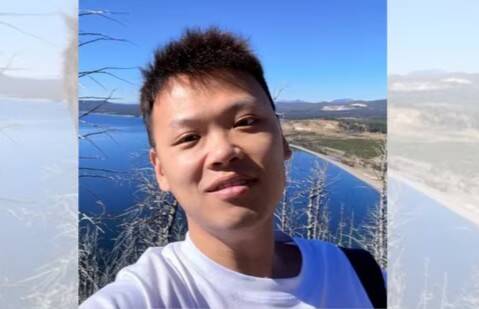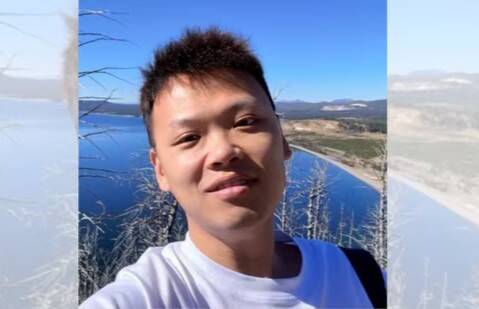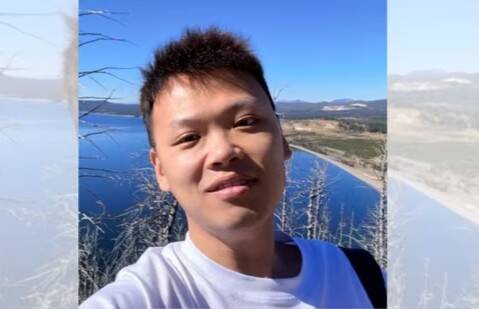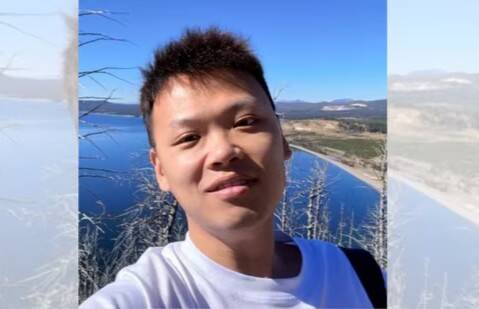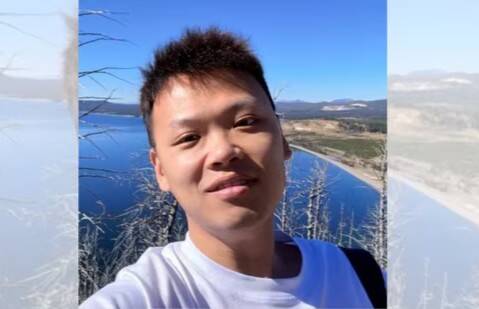
Meta Scientist Zifan Wang on ‘Genius Visa’ Denied Re-Entry into US
The United States has long been a hub for innovation and technological advancements, attracting top talent from around the world. However, a recent incident involving Meta AI researcher Zifan Wang has raised concerns about the country’s immigration policies and their impact on the tech industry. Wang, who had been living in the US for seven years on an O-1 visa, was denied re-entry into the country after a visit to China. The news has sparked a heated debate about the treatment of highly skilled immigrants and the potential consequences for the US tech sector.
Wang, who works as a scientist at Meta, took to social media to express his frustration and disappointment at being denied re-entry into the US. He had been working legally in the country on an O-1 visa, which is reserved for individuals of “extraordinary ability” in fields such as science, technology, engineering, and mathematics (STEM). The O-1 visa is often referred to as the “genius visa” due to the high standards required to qualify. Wang’s denial of re-entry has raised questions about the fairness and consistency of the US immigration system.
The O-1 visa is designed to attract top talent from around the world, allowing them to work in the US for a specified period. To qualify, applicants must demonstrate extraordinary ability in their field, which can be evidenced through awards, publications, and other achievements. Wang, as a Meta AI researcher, had clearly met these standards, having worked in the US for seven years and contributing to the country’s tech industry.
The denial of re-entry for Wang is not only a personal setback but also a loss for the US tech sector. The country has long relied on foreign talent to drive innovation and growth, with many top tech companies, including Meta, Google, and Microsoft, employing highly skilled immigrants. The US immigration system is designed to attract and retain this talent, but incidents like Wang’s suggest that the system may be failing to achieve this goal.
Wang’s decision to move to London instead of pursuing further action to regain entry into the US is a significant blow to the country’s tech industry. The UK has been actively courting top tech talent, offering more favorable immigration policies and a more welcoming environment. The loss of Wang and potentially other highly skilled immigrants could have long-term consequences for the US tech sector, as companies may be forced to look elsewhere for talent.
The incident has also sparked a debate about the treatment of highly skilled immigrants in the US. Many have expressed concerns that the country’s immigration system is becoming increasingly restrictive, making it difficult for talented individuals to enter and remain in the US. The denial of re-entry for Wang, who had been living and working in the US for seven years, has raised questions about the fairness and consistency of the system.
The US tech industry has long been a driver of economic growth and innovation, but the country’s immigration policies may be undermining this success. The loss of top talent, such as Wang, could have significant consequences for the industry, as companies may struggle to find qualified replacements. The incident has highlighted the need for a more streamlined and efficient immigration system, one that attracts and retains top talent from around the world.
In conclusion, the denial of re-entry for Meta AI researcher Zifan Wang is a significant setback for the US tech industry. The incident has raised concerns about the fairness and consistency of the US immigration system and highlighted the need for a more welcoming environment for highly skilled immigrants. As the US tech sector continues to evolve and grow, it is essential that the country’s immigration policies support this growth, rather than hindering it. The loss of Wang and potentially other top talent could have long-term consequences for the industry, and it is crucial that policymakers take action to address these concerns.
About the Author