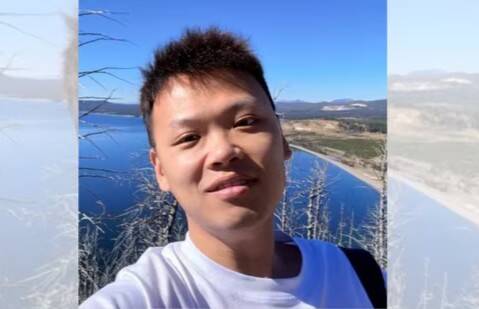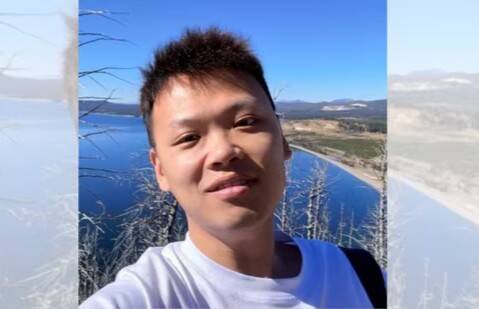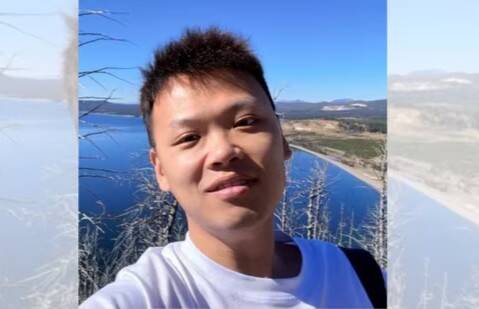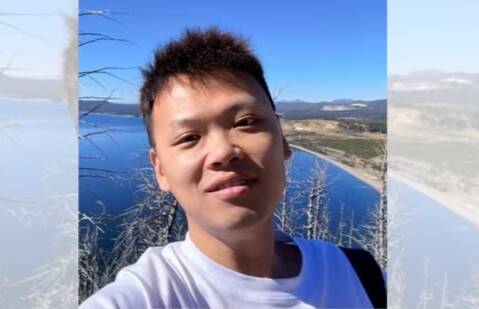
Meta Scientist Zifan Wang on ‘Genius Visa’ Denied Re-Entry into US
The world of artificial intelligence and technology is no stranger to talent from around the globe. However, a recent incident has raised concerns about the treatment of highly skilled individuals in the United States. Zifan Wang, a researcher at Meta AI, was denied re-entry into the US after a visit to China, despite holding a valid O-1 visa. The O-1 visa, also known as the “genius visa,” is reserved for individuals of “extraordinary ability” in their field. Wang, who had been living in the US for seven years, took to social media to express his frustration and disappointment at the decision.
Wang’s story highlights the complexities and challenges faced by international talent in the US. Despite his exceptional abilities and contributions to the field of AI, Wang was deemed ineligible to re-enter the country. The reasons behind this decision are not entirely clear, but it has sparked a heated debate about the treatment of highly skilled immigrants in the US. The incident has also raised questions about the effectiveness of the O-1 visa program, which is designed to attract and retain top talent from around the world.
The O-1 visa is a non-immigrant visa that allows individuals with extraordinary abilities in fields such as science, technology, engineering, and mathematics (STEM) to live and work in the US. To qualify for an O-1 visa, applicants must demonstrate a high level of expertise and achievement in their field, as well as a proven track record of innovation and contribution. Wang, as a researcher at Meta AI, had clearly met these criteria, having worked on various projects and published research papers in top-tier conferences and journals.
Despite his impressive credentials, Wang was denied re-entry into the US. The decision was likely made by US Customs and Border Protection (CBP) officers, who have the authority to inspect and admit or deny entry to individuals arriving in the US. While the exact reasons for Wang’s denial are not publicly known, it is possible that the officers may have had concerns about his travel history, his work at Meta AI, or other factors that are not immediately apparent.
Wang’s experience is not an isolated incident. Many international students, researchers, and professionals have faced similar challenges when trying to enter or re-enter the US. The process of obtaining a visa can be lengthy and complex, and even with a valid visa, there are no guarantees of entry. The US government has implemented various policies and regulations aimed at tightening border security and restricting immigration, which can make it difficult for legitimate travelers to enter the country.
The impact of Wang’s denial on the US tech industry could be significant. The US has long been a hub for innovation and technological advancement, attracting top talent from around the world. However, incidents like Wang’s may deter other international researchers and professionals from pursuing opportunities in the US. The loss of talent and expertise can have far-reaching consequences, including a decline in innovation, reduced competitiveness, and a brain drain.
In response to his denial, Wang announced that he would be moving to London instead. The UK has been actively courting international talent, offering a more welcoming environment and streamlined visa processes. Wang’s decision to relocate to London is likely to be followed by other highly skilled individuals who may feel unwelcome or uncertain about their status in the US. The UK’s gain may be the US’s loss, as the country risks losing its competitive edge in the global tech industry.
The incident has sparked a wider debate about the US immigration system and its treatment of highly skilled individuals. While the US government has taken steps to attract and retain top talent, the process remains complex and often unpredictable. The O-1 visa program, in particular, has been criticized for its subjective criteria and lengthy processing times. There are also concerns about the lack of transparency and consistency in the decision-making process, which can lead to arbitrary and unfair outcomes.
In conclusion, the denial of Zifan Wang’s re-entry into the US is a concerning incident that highlights the challenges faced by international talent in the country. The US tech industry relies heavily on the contributions of highly skilled individuals from around the world, and incidents like Wang’s may have far-reaching consequences. As the global competition for talent intensifies, the US must re-examine its immigration policies and procedures to ensure that it remains an attractive destination for top researchers, professionals, and entrepreneurs.
About the Author