Meta Scientist Zifan Wang on ‘Genius Visa’ Denied Re-Entry into US
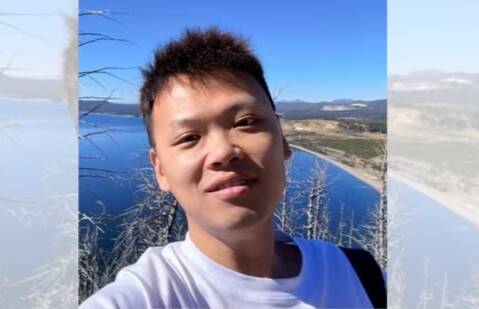
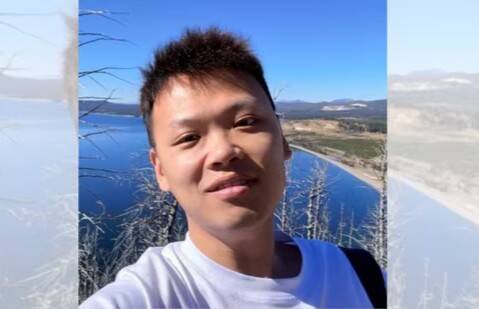
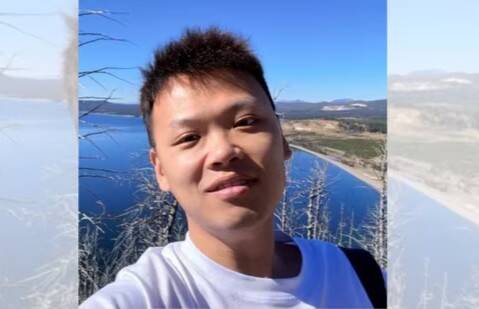
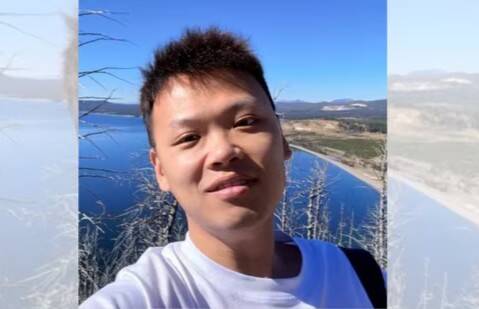
The United States has long been a hub for innovation and technological advancement, attracting top talent from around the world. However, a recent incident has raised concerns about the country’s immigration policies and their impact on the tech industry. Zifan Wang, a Meta AI researcher, was denied re-entry into the US after returning from a visit to China, despite holding an O-1 visa, also known as the “genius visa.” This visa is reserved for individuals with “extraordinary ability” in their field, and Wang had been living and working in the US for seven years.
Wang took to social media to express his frustration and disappointment at being denied re-entry into the country. He had been working legally in the US on his O-1 visa, which is typically granted to individuals who have achieved significant recognition in their field. The O-1 visa is considered one of the most prestigious and sought-after visas in the US, and it is often referred to as the “genius visa” due to the high standards required to qualify.
The incident has sparked debate about the US immigration system and its treatment of highly skilled workers. Wang’s case is particularly surprising, given his background and qualifications. As a Meta AI researcher, Wang is part of a team working on cutting-edge technology, including artificial intelligence and machine learning. His work has the potential to drive innovation and economic growth, and his presence in the US is likely to have a positive impact on the country’s tech industry.
The reasons behind Wang’s denial of re-entry are not entirely clear, but it is believed that his visit to China may have raised concerns about his eligibility for re-entry. The US government has been increasing scrutiny of individuals with ties to China, particularly in the tech industry, due to concerns about intellectual property theft and national security. However, Wang’s case highlights the need for a more nuanced approach to immigration policy, one that takes into account the complexities of global travel and collaboration.
Wang’s decision to move to London instead of pursuing further action to regain entry into the US is a significant blow to the country’s tech industry. The UK has been actively courting top tech talent, and Wang’s move is likely to be seen as a major coup for the country. London has established itself as a hub for tech innovation, with a thriving startup scene and a strong presence of major tech companies.
The incident also raises questions about the future of the US tech industry and its ability to attract and retain top talent. The O-1 visa program is designed to attract individuals with extraordinary ability, but the denial of re-entry to someone like Wang suggests that the system may be flawed. The US government needs to strike a balance between national security concerns and the need to attract and retain top talent.
The news of Wang’s denial of re-entry has sparked a heated debate on social media, with many expressing outrage and disappointment at the decision. Some have pointed out that the US is losing out on top talent due to its restrictive immigration policies, while others have argued that national security concerns should take precedence.
In conclusion, the case of Zifan Wang highlights the need for a more nuanced approach to immigration policy, one that takes into account the complexities of global travel and collaboration. The US government needs to strike a balance between national security concerns and the need to attract and retain top talent. The denial of re-entry to someone like Wang is a significant blow to the country’s tech industry, and it remains to be seen how this incident will impact the future of innovation in the US.
As the US continues to navigate the complexities of immigration policy, it is essential to consider the long-term implications of decisions like the one made in Wang’s case. The country’s ability to attract and retain top talent will have a significant impact on its future economic growth and competitiveness. The incident serves as a reminder that immigration policy is not just about national security; it is also about creating an environment that fosters innovation and collaboration.
In the end, Wang’s decision to move to London is a significant loss for the US tech industry, but it also presents an opportunity for the UK to establish itself as a hub for tech innovation. As the global tech landscape continues to evolve, it will be interesting to see how countries like the US and the UK navigate the complexities of immigration policy and compete for top talent.
About the Author