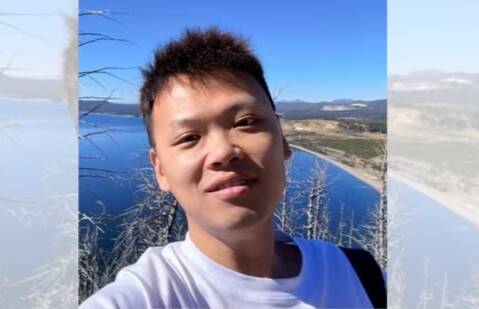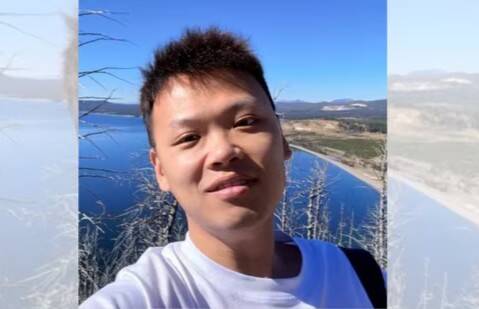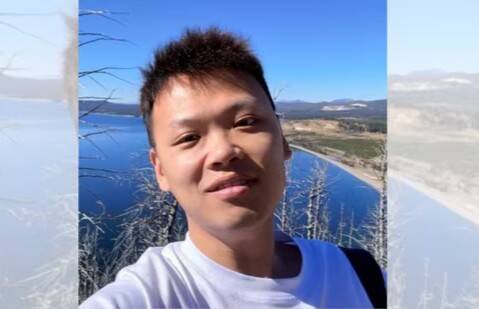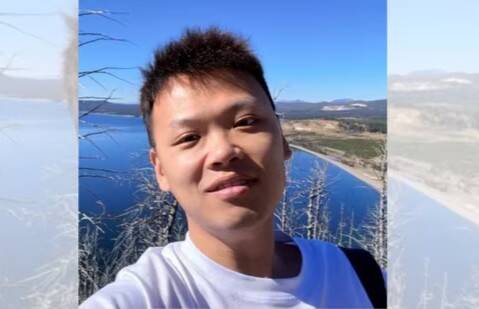
Meta Scientist Zifan Wang on ‘Genius Visa’ Denied Re-Entry into US
The United States has long been a hub for innovation and technological advancement, attracting top talent from around the world. However, a recent incident has raised concerns about the country’s immigration policies and their impact on the tech industry. Zifan Wang, a Meta AI researcher, was denied re-entry into the US after returning from a visit to China, despite holding a valid O-1 visa, also known as the “genius visa.” This visa is reserved for individuals of “extraordinary ability” in fields such as science, technology, engineering, and mathematics (STEM).
Wang, who had been living in the US for seven years and working legally on his O-1 visa, took to social media to express his frustration and disappointment at being denied re-entry. His situation has sparked a debate about the US immigration system and its treatment of highly skilled workers. The O-1 visa is designed to attract and retain top talent in the US, but Wang’s experience suggests that the system is not always functioning as intended.
The O-1 visa is a non-immigrant visa that allows individuals with extraordinary abilities to work in the US for a temporary period. To qualify for an O-1 visa, applicants must demonstrate that they have achieved national or international recognition in their field, and that their work will substantially benefit the US. The visa is typically granted for a period of three years, with the option to extend it.
Wang’s case is particularly puzzling, given his impressive credentials and contributions to the field of AI research. As a Meta AI researcher, he has been working on cutting-edge projects, and his work has likely had a significant impact on the US tech industry. It is unclear why his re-entry was denied, but it is possible that the decision was based on factors such as his travel history, background checks, or other security concerns.
The denial of Wang’s re-entry has significant implications for the US tech industry, which relies heavily on international talent. The O-1 visa program is designed to attract and retain top talent, but if highly skilled workers like Wang are being denied re-entry, it may deter others from coming to the US. This could ultimately harm the US economy and its competitiveness in the global tech landscape.
Wang has announced that he will be moving to London instead, a decision that may have far-reaching consequences for the US tech industry. The UK has been actively courting international talent, and its more relaxed immigration policies may make it a more attractive destination for highly skilled workers. If the US continues to struggle with its immigration policies, it may lose out on top talent and fall behind other countries in the global tech race.
The incident has also raised concerns about the treatment of international students and workers in the US. Many international students come to the US to pursue higher education, and later transition to work visas like the O-1 visa. However, the current immigration system can be unpredictable and unforgiving, with long processing times, strict eligibility requirements, and limited visa options. Wang’s experience highlights the need for a more streamlined and efficient immigration system that can attract and retain top talent.
In addition, the incident has sparked a debate about the role of social media in raising awareness about immigration issues. Wang’s decision to share his experience on social media has helped to bring attention to the challenges faced by international workers in the US. Social media platforms can provide a powerful tool for advocacy and awareness-raising, and Wang’s case may inspire others to speak out about their own experiences with the US immigration system.
In conclusion, the denial of Zifan Wang’s re-entry into the US is a concerning incident that highlights the need for a more efficient and effective immigration system. The US tech industry relies heavily on international talent, and the O-1 visa program is an important tool for attracting and retaining top talent. However, if highly skilled workers like Wang are being denied re-entry, it may deter others from coming to the US, ultimately harming the US economy and its competitiveness in the global tech landscape. As Wang moves to London, the US may lose out on a talented researcher and a valuable contributor to the tech industry.
About the Author