Meta Scientist Zifan Wang on ‘Genius Visa’ Denied Re-Entry into US
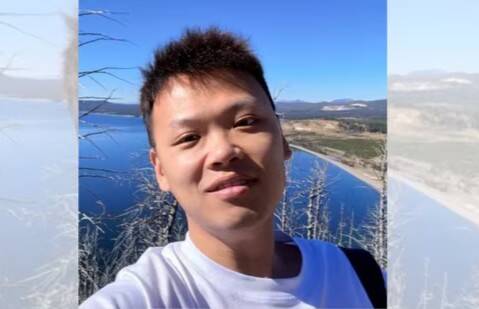
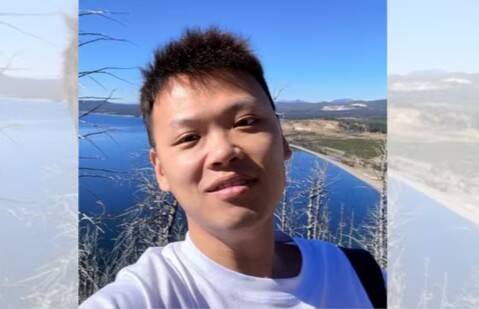
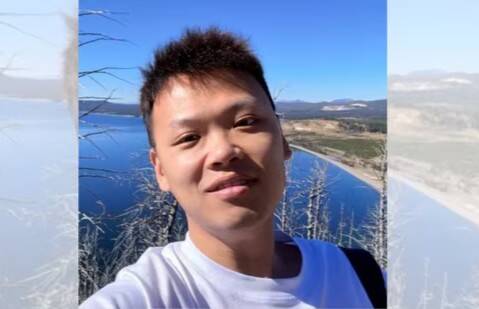
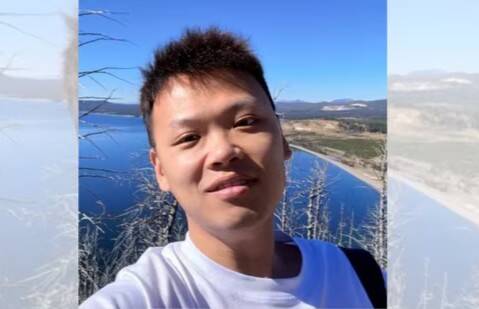
The United States has long been a hub for innovation and technological advancements, attracting top talent from around the world. However, a recent incident involving Meta AI researcher Zifan Wang has raised concerns about the country’s immigration policies and their impact on the tech industry. Wang, who had been living in the US for seven years on an O-1 visa, was denied re-entry into the country after a visit to China. The O-1 visa, also known as the “genius visa,” is reserved for individuals of “extraordinary ability” in their field.
Wang, who has been working at Meta, took to social media to express his frustration and disappointment at being denied re-entry into the US. He had been working in the country legally on his O-1 visa, which is typically granted to individuals who have demonstrated exceptional skills and achievements in their field. The visa is designed to allow highly skilled individuals to work in the US and contribute to the country’s innovation and economic growth.
However, despite his exceptional abilities and contributions to the tech industry, Wang was denied re-entry into the US after a visit to China. The reasons behind the denial are not entirely clear, but it is believed that the current immigration policies and regulations may have played a role. The US has been tightening its immigration policies in recent years, making it more challenging for individuals to enter and stay in the country.
Wang’s experience is not an isolated incident. Many highly skilled individuals have faced similar challenges when trying to enter or stay in the US. The country’s immigration policies have been criticized for being overly restrictive and bureaucratic, making it difficult for companies to attract and retain top talent. The tech industry, in particular, has been affected by these policies, as it relies heavily on international talent to drive innovation and growth.
The denial of Wang’s re-entry into the US has significant implications for the tech industry. The loss of talented individuals like Wang can have a negative impact on the industry’s ability to innovate and compete globally. The US has long been a leader in the tech industry, but its restrictive immigration policies may be driving top talent away. Other countries, such as Canada and the UK, have been actively courting international talent, offering more welcoming and inclusive environments for highly skilled individuals.
In response to the denial of his re-entry into the US, Wang announced that he would be moving to London instead. The UK has been actively promoting itself as a hub for tech talent, offering a more streamlined and efficient immigration process for highly skilled individuals. Wang’s decision to move to London is a significant loss for the US tech industry, as he is a highly skilled and talented individual who could have continued to contribute to the country’s innovation and growth.
The incident involving Wang highlights the need for the US to reform its immigration policies and regulations. The country needs to find a balance between national security concerns and the need to attract and retain top talent. The tech industry is a significant contributor to the US economy, and the country’s ability to attract and retain highly skilled individuals is crucial to its continued growth and innovation.
In conclusion, the denial of Meta scientist Zifan Wang’s re-entry into the US is a significant incident that highlights the challenges faced by highly skilled individuals trying to enter or stay in the country. The US needs to reform its immigration policies and regulations to make it easier for top talent to contribute to the country’s innovation and growth. The loss of talented individuals like Wang can have a negative impact on the tech industry, and the country’s ability to compete globally.
As the US continues to navigate its immigration policies, it is essential to consider the impact on the tech industry and the country’s ability to attract and retain top talent. The incident involving Wang serves as a reminder that the US is not the only destination for highly skilled individuals, and that other countries are actively courting international talent. The US needs to find a way to balance its national security concerns with the need to attract and retain top talent, or risk losing its position as a leader in the tech industry.
About the Author