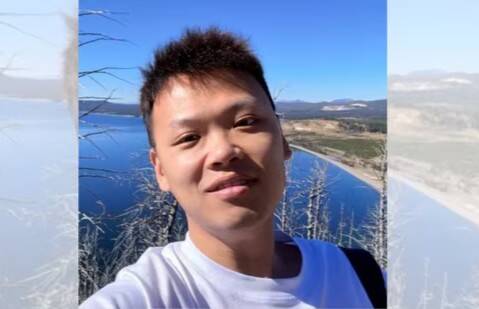
Meta Scientist Zifan Wang on ‘Genius Visa’ Denied Re-Entry into US
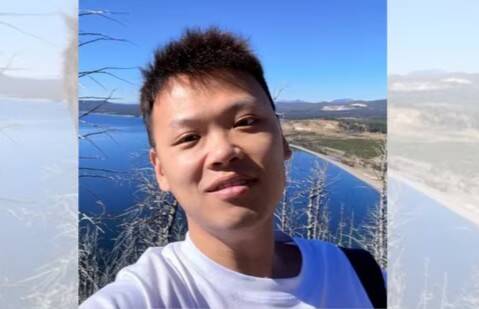
The United States has long been a hub for innovation and technological advancement, attracting top talent from around the world. However, a recent incident has raised concerns about the country’s immigration policies and their impact on its ability to retain exceptional individuals. Zifan Wang, a Meta AI researcher, was denied re-entry into the US after visiting China, despite holding an O-1 visa, also known as the “genius visa.” This visa is reserved for people of “extraordinary ability” in fields such as science, technology, engineering, and mathematics (STEM).
Wang, who had been living in the US for seven years and working legally on his O-1 visa, took to social media to express his frustration and disappointment. He announced that he would be relocating to London instead, citing the uncertainty and unpredictability of the US immigration system. This incident has sparked a heated debate about the effectiveness of the US immigration policies and their potential consequences on the country’s competitiveness in the tech industry.
The O-1 visa is a non-immigrant visa that allows individuals with exceptional abilities to work in the US for a specific period. It is often referred to as the “genius visa” because of the high standards required to qualify. To be eligible for an O-1 visa, an individual must demonstrate extraordinary ability in their field, which can be evidenced by awards, publications, and recognition from peers. Wang, as a Meta AI researcher, had clearly met these criteria, having worked in the US for seven years and making significant contributions to his field.
The denial of Wang’s re-entry into the US has raised questions about the consistency and fairness of the immigration system. If someone like Wang, who has been living and working in the US for seven years, can be denied re-entry, it creates uncertainty for others who may be considering a move to the US. This uncertainty can have a chilling effect on the ability of US companies to attract and retain top talent, ultimately harming the country’s competitiveness in the tech industry.
The US has long been a magnet for international talent, with many of the world’s top universities and research institutions located within its borders. However, the current immigration system has created a sense of unease among foreign nationals, making them think twice about pursuing opportunities in the US. The denial of Wang’s re-entry is just one example of the many challenges faced by international students and professionals who come to the US to study or work.
Wang’s decision to relocate to London is not an isolated incident. Many other talented individuals have chosen to leave the US or pursue opportunities in other countries due to the uncertainty and complexity of the immigration system. This brain drain can have long-term consequences for the US economy and its ability to innovate and compete on the global stage.
The US government has been criticized for its handling of immigration policies, particularly with regards to the treatment of international students and professionals. The current system is often slow, bureaucratic, and unpredictable, making it difficult for individuals to plan their lives and careers. The denial of Wang’s re-entry is a stark reminder of the need for reform and the importance of creating a more welcoming and inclusive environment for international talent.
In conclusion, the denial of Zifan Wang’s re-entry into the US is a concerning incident that highlights the need for immigration reform. The US must create a more streamlined and predictable system that allows talented individuals to contribute to the country’s economy and innovation ecosystem. By doing so, the US can maintain its position as a global leader in technology and innovation, and continue to attract the best and brightest minds from around the world.
As Wang settles into his new life in London, it remains to be seen how this incident will impact the US tech industry and its ability to attract top talent. One thing is certain, however: the US government must take a closer look at its immigration policies and work towards creating a more welcoming environment for international students and professionals. Only then can the US continue to thrive as a hub for innovation and technological advancement.
About the Author