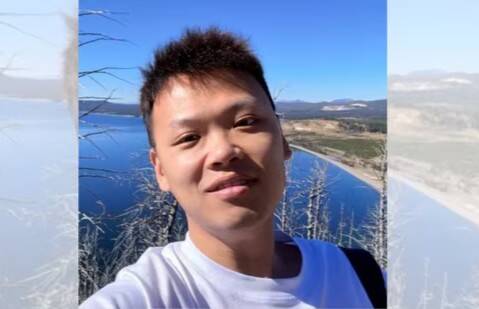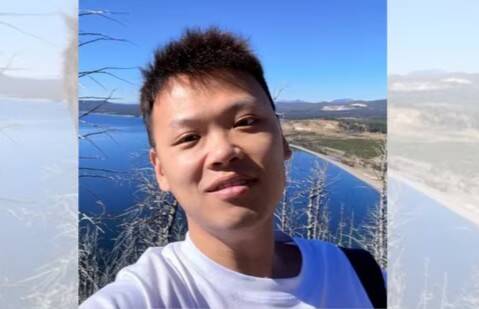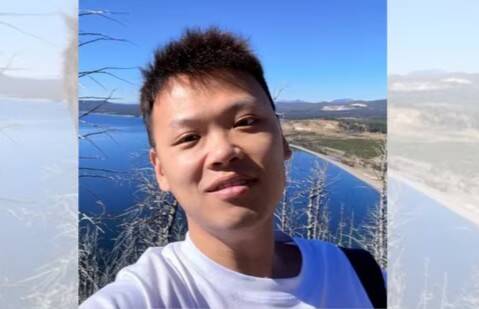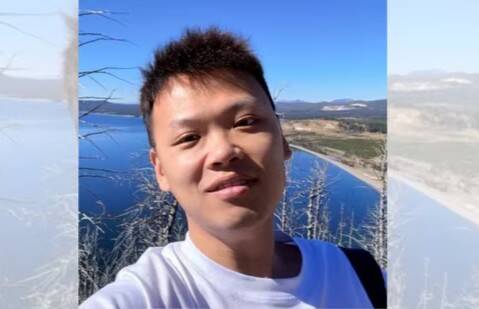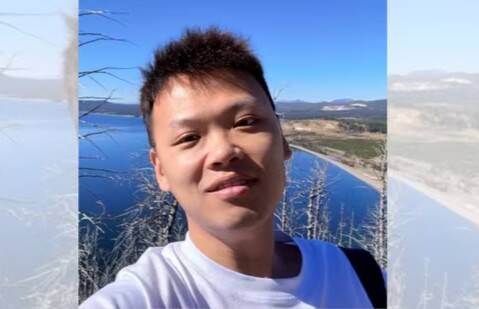
Meta Scientist Zifan Wang on ‘Genius Visa’ Denied Re-Entry into US
The United States has long been a hub for top talent from around the world, attracting the best and brightest minds in various fields, including science, technology, engineering, and mathematics (STEM). One of the key visas that have facilitated this influx of talent is the O-1 visa, also known as the “genius visa,” which is reserved for individuals of “extraordinary ability.” However, a recent incident involving Meta AI researcher Zifan Wang has raised concerns about the fairness and consistency of the US immigration system.
Wang, a Meta scientist who has been living in the US for seven years, was denied re-entry into the country after returning from a visit to China. Despite holding an O-1 visa, which is typically reserved for individuals with exceptional skills and achievements, Wang was not allowed to re-enter the US. The news of his denial was met with surprise and frustration, not just from Wang himself, but also from the broader tech community.
Wang took to social media to express his disappointment and frustration, sharing his experience with his followers. His story highlights the challenges faced by highly skilled immigrants who come to the US on specialized visas, only to find themselves at the mercy of an unpredictable and often unforgiving immigration system. The fact that Wang was denied re-entry despite having an O-1 visa, which is supposed to be a mark of exceptional ability, raises questions about the criteria used to evaluate these visas and the consistency of their application.
The O-1 visa is a non-immigrant visa that allows individuals with extraordinary abilities in fields such as science, technology, engineering, arts, and athletics to live and work in the US for a specific period. To qualify for an O-1 visa, applicants must demonstrate that they have achieved a high level of recognition and acclaim in their field, through awards, publications, and other forms of recognition. The visa is typically granted for a period of three years, with the option to extend it for an additional three years.
Wang’s experience is not an isolated incident. Many highly skilled immigrants have faced similar challenges in recent years, with some being denied visas or facing lengthy delays in the processing of their applications. These experiences have led to concerns about the impact of US immigration policies on the country’s ability to attract and retain top talent.
The denial of Wang’s re-entry into the US has significant implications, not just for him, but also for the broader tech industry. Wang’s decision to move to London instead of pursuing further action to regain entry into the US is a testament to the global nature of the tech industry and the ease with which top talent can move to other countries. This trend has significant implications for the US, which has long been a leader in the tech industry.
The brain drain that results from the denial of visas to highly skilled immigrants can have far-reaching consequences for the US economy and innovation ecosystem. The loss of talented individuals like Wang can lead to a decline in the competitiveness of US companies, as well as a reduction in the country’s ability to innovate and develop new technologies. Furthermore, the uncertainty and unpredictability of the US immigration system can deter other highly skilled immigrants from coming to the US, leading to a decline in the country’s reputation as a hub for innovation and entrepreneurship.
In response to Wang’s experience, many have called for reforms to the US immigration system, including the introduction of more streamlined and efficient processes for evaluating visa applications. Others have argued that the US should adopt a more nuanced approach to evaluating the skills and abilities of highly skilled immigrants, one that takes into account the complexities and nuances of different fields and industries.
As the US continues to grapple with the challenges of immigration reform, the story of Zifan Wang serves as a reminder of the importance of creating a fair and efficient system for attracting and retaining top talent. The US has long been a beacon for innovation and entrepreneurship, and it is essential that the country’s immigration policies reflect this reality. By creating a more streamlined and efficient system for evaluating visa applications, the US can ensure that it remains a hub for the best and brightest minds from around the world.
In conclusion, the denial of Zifan Wang’s re-entry into the US is a concerning incident that highlights the challenges faced by highly skilled immigrants in the US. The fact that Wang, a Meta scientist with an O-1 visa, was denied re-entry despite having an exceptional record of achievement, raises questions about the fairness and consistency of the US immigration system. As the US continues to navigate the complexities of immigration reform, it is essential that the country’s policies reflect its commitment to attracting and retaining top talent.
About the Author