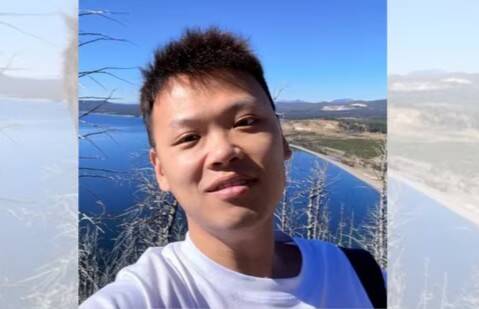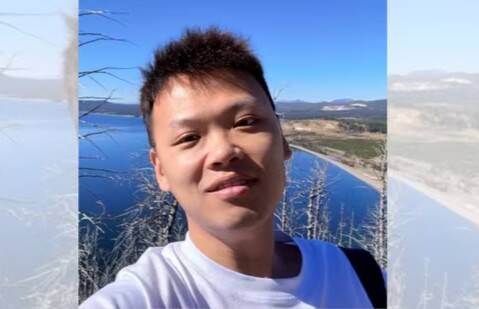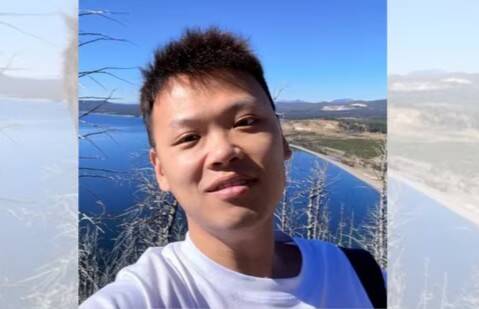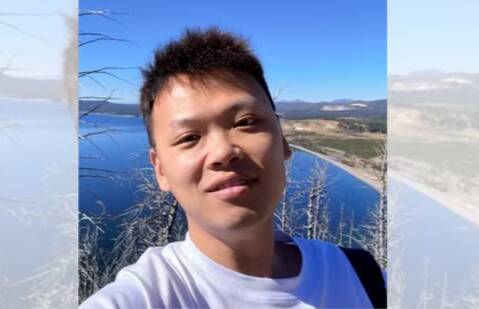
Meta scientist Zifan Wang on ‘genius visa’ denied re-entry into US
The United States has long been a hub for innovation and technological advancements, attracting top talent from around the world. However, a recent incident has raised concerns about the country’s immigration policies and their impact on the tech industry. Zifan Wang, a Meta AI researcher, was denied re-entry into the US after returning from a visit to China, despite holding a valid O-1 visa. The O-1 visa, also known as the “genius visa,” is reserved for individuals of “extraordinary ability” in their field.
Wang, who had been living in the US for seven years and working legally on his O-1 visa, took to social media to express his frustration and disappointment. He announced that he would be moving to London instead, citing the uncertainty and unpredictability of the US immigration system. The news has sparked a debate about the treatment of high-skilled immigrants in the US and the potential consequences for the country’s tech industry.
Wang’s situation is not unique. Many immigrants who hold specialized visas, such as the O-1 or H-1B, have faced similar challenges when trying to re-enter the US after traveling abroad. The process of obtaining a visa can be lengthy and bureaucratic, and even those with valid visas can be denied entry due to various reasons, including changes in immigration policies or administrative errors.
The O-1 visa, in particular, is designed for individuals who have demonstrated extraordinary ability in their field, such as science, technology, engineering, and mathematics (STEM). To qualify for an O-1 visa, applicants must meet specific criteria, including receiving a major, internationally recognized award or achieving significant recognition in their field. Wang, as a Meta AI researcher, likely met these criteria, given his expertise and contributions to the field of artificial intelligence.
The denial of Wang’s re-entry into the US has raised concerns about the impact on the tech industry. The US has long been a leader in technological innovation, and the country’s ability to attract and retain top talent from around the world has been a key factor in its success. However, with the current immigration policies and the uncertainty surrounding visa applications, many immigrants are beginning to look elsewhere for opportunities.
Wang’s decision to move to London is not surprising, given the UK’s more welcoming attitude towards high-skilled immigrants. The UK has introduced various initiatives to attract top talent, including the Global Talent visa, which allows individuals with exceptional skills to live and work in the UK. Other countries, such as Canada and Australia, have also introduced similar programs to attract high-skilled immigrants.
The loss of talent like Wang can have significant consequences for the US tech industry. The country’s ability to innovate and stay competitive relies heavily on its ability to attract and retain top talent. The brain drain caused by restrictive immigration policies can lead to a decline in innovation, entrepreneurship, and economic growth.
Furthermore, the denial of Wang’s re-entry into the US highlights the need for more transparency and consistency in the country’s immigration policies. The current system can be unpredictable and arbitrary, with applicants facing long wait times, high rejection rates, and limited opportunities for appeal. The lack of clarity and consistency in immigration policies can create uncertainty and anxiety for immigrants, making it difficult for them to plan their lives and careers.
In conclusion, the denial of Zifan Wang’s re-entry into the US is a concerning incident that highlights the need for reform in the country’s immigration policies. The US should prioritize attracting and retaining top talent, rather than creating barriers that drive them away. By introducing more streamlined and transparent immigration processes, the US can ensure that it remains a hub for innovation and technological advancements.
As Wang begins his new journey in London, the US tech industry will likely feel the loss of his expertise and contributions. The incident serves as a reminder that the US is not the only destination for high-skilled immigrants, and that other countries are actively competing for top talent. The US government should take note of this incident and work towards creating a more welcoming and inclusive environment for immigrants, rather than driving them away.
About the Author