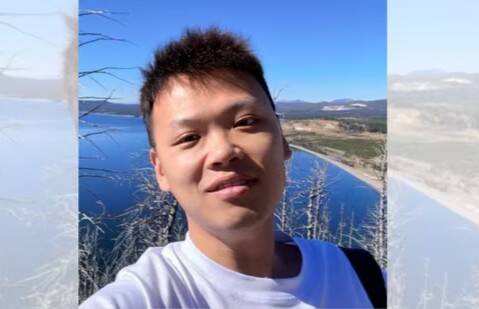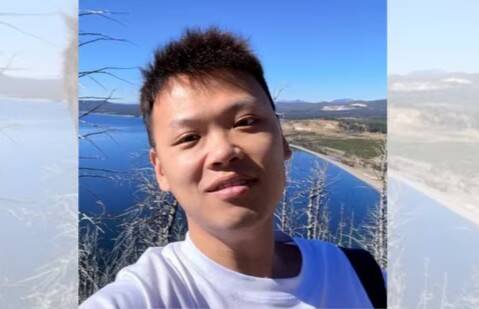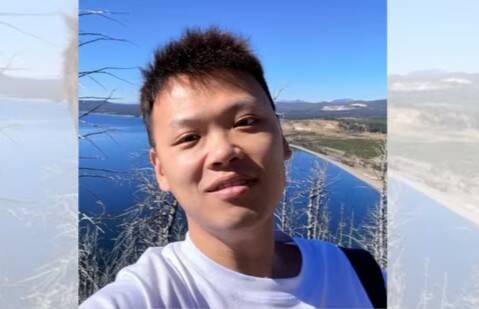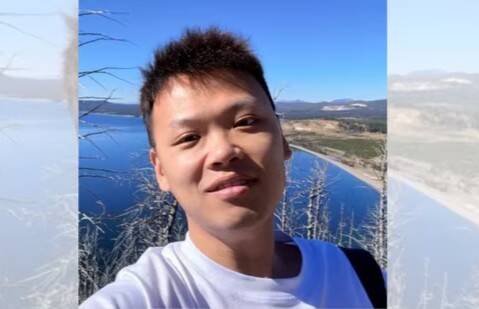
Meta Scientist Zifan Wang on ‘Genius Visa’ Denied Re-Entry into US
The United States has long been a hub for innovation and technological advancements, attracting top talent from around the world. However, a recent incident has raised concerns about the country’s immigration policies and their impact on the tech industry. Zifan Wang, a Meta AI researcher, was denied re-entry into the US after a visit to China, despite holding a valid O-1 visa. The O-1 visa, also known as the “genius visa,” is reserved for individuals with extraordinary abilities in their field. Wang’s experience has sparked frustration and debate about the US immigration system and its treatment of highly skilled workers.
Wang, who had been living in the US for seven years, had been working legally on an O-1 visa. His work at Meta, a leading tech company, was a testament to his exceptional abilities in the field of artificial intelligence. However, when he returned to the US after a visit to China, he was denied re-entry by immigration officials. This decision was met with shock and disappointment, not only by Wang but also by the wider tech community.
The incident has raised questions about the US immigration system and its handling of highly skilled workers. The O-1 visa is designed to attract and retain top talent from around the world, but Wang’s experience suggests that even those with extraordinary abilities are not immune to the complexities and uncertainties of the US immigration system. The denial of re-entry to someone like Wang, who has made significant contributions to the field of AI, is a loss not only for Meta but also for the US tech industry as a whole.
Wang took to social media to express his frustration and disappointment, announcing that he would be moving to London instead. His decision to leave the US and relocate to the UK is a significant blow to the US tech industry, which has long relied on international talent to drive innovation and growth. The incident has sparked concerns about the competitiveness of the US tech industry and its ability to attract and retain top talent in the face of increasingly complex and restrictive immigration policies.
The US has long been a magnet for international talent, but the current immigration system has created uncertainty and anxiety for many highly skilled workers. The O-1 visa, in particular, is a critical component of the US immigration system, as it allows individuals with extraordinary abilities to work in the US. However, the denial of re-entry to someone like Wang, who has clearly demonstrated his exceptional abilities, raises questions about the consistency and fairness of the immigration system.
The incident has also highlighted the challenges faced by international students and workers in the US. Many students and workers come to the US on temporary visas, hoping to build a career and make a life for themselves in the country. However, the current immigration system creates uncertainty and anxiety, as individuals may face difficulties in renewing their visas or obtaining permanent residency. The denial of re-entry to someone like Wang, who has made significant contributions to the US tech industry, is a stark reminder of the risks and challenges faced by international talent in the US.
The move to London is a significant development, as it suggests that the UK is becoming an increasingly attractive destination for top tech talent. The UK has long been a hub for innovation and technological advancements, and its relatively more relaxed immigration policies have made it an attractive option for international workers. The decision by Wang to relocate to London is likely to be seen as a vote of confidence in the UK’s tech industry and its ability to attract and retain top talent.
In conclusion, the denial of re-entry to Meta AI researcher Zifan Wang is a significant blow to the US tech industry. The incident has raised concerns about the US immigration system and its treatment of highly skilled workers. The O-1 visa, which is reserved for individuals with extraordinary abilities, is a critical component of the US immigration system. However, the denial of re-entry to someone like Wang, who has clearly demonstrated his exceptional abilities, raises questions about the consistency and fairness of the immigration system. As the US tech industry continues to evolve and grow, it is essential that the immigration system is reformed to attract and retain top talent from around the world.
The incident has sparked a wider debate about the US immigration system and its impact on the tech industry. The US has long been a hub for innovation and technological advancements, but the current immigration system creates uncertainty and anxiety for many highly skilled workers. The denial of re-entry to someone like Wang is a stark reminder of the risks and challenges faced by international talent in the US. As the US tech industry continues to compete on the global stage, it is essential that the immigration system is reformed to attract and retain top talent from around the world.
About the Author