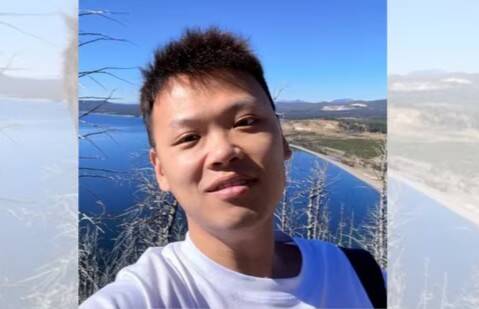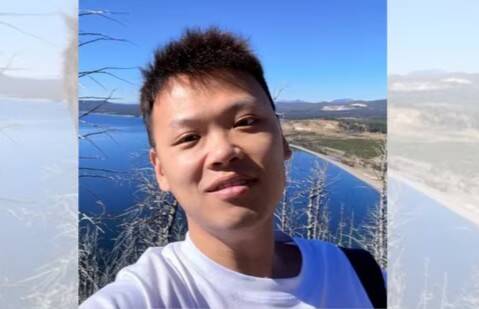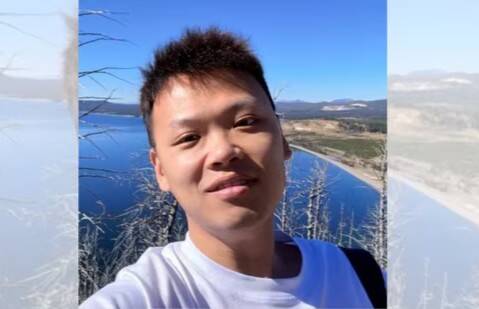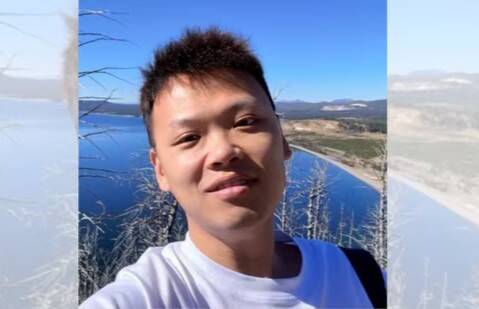
Meta Scientist Zifan Wang on ‘Genius Visa’ Denied Re-Entry into US
The United States has long been a hub for innovation and technological advancement, attracting top talent from around the world. However, a recent incident has raised concerns about the country’s immigration policies and their impact on the tech industry. Meta AI researcher Zifan Wang, who had been living in the US for seven years on an O-1 visa, was denied re-entry into the country after a visit to China. The news has sparked a heated debate about the treatment of highly skilled immigrants and the consequences of strict immigration policies.
Wang, who had been working legally in the US on an O-1 visa, which is reserved for individuals of “extraordinary ability,” took to social media to express his frustration and disappointment. The O-1 visa is a non-immigrant visa that allows individuals with exceptional skills in fields such as science, technology, engineering, and mathematics (STEM) to work in the US. Wang’s denial of re-entry has raised questions about the arbitrary nature of the US immigration system and the difficulties faced by highly skilled immigrants.
The incident began when Wang traveled to China to visit his family. Upon his return to the US, he was stopped at the airport and denied re-entry. Despite having a valid O-1 visa and a job offer from Meta, Wang was told that he would have to reapply for a visa from outside the country. The news came as a shock to Wang, who had been living and working in the US for seven years without any issues.
Wang’s experience is not an isolated incident. Many highly skilled immigrants have faced similar challenges and frustrations while navigating the US immigration system. The O-1 visa, in particular, is a complex and often arbitrary process, with applicants facing long wait times and uncertain outcomes. The visa requires applicants to demonstrate extraordinary ability in their field, which can be a subjective and difficult standard to meet.
The denial of re-entry for someone like Wang, who has a proven track record of exceptional ability and a job offer from a top tech company, highlights the flaws in the system. It also raises concerns about the impact of such policies on the US tech industry, which relies heavily on international talent. The US has long been a leader in technological innovation, but strict immigration policies may drive top talent to other countries.
In response to the denial of re-entry, Wang announced that he would be moving to London instead. The news has sparked a mixture of sadness and outrage among his colleagues and friends, who see the incident as a loss for the US tech industry. Wang’s decision to relocate to London is not surprising, given the more favorable immigration policies in the UK. The UK’s tech industry has been growing rapidly in recent years, and the country has become an attractive destination for international talent.
The incident has also sparked a broader debate about the role of immigration in driving innovation and economic growth. The US has long been a magnet for international talent, but strict immigration policies may be driving top talent away. The consequences of such policies could be far-reaching, with the US potentially losing its edge in technological innovation.
In conclusion, the denial of re-entry for Meta scientist Zifan Wang highlights the flaws in the US immigration system and the challenges faced by highly skilled immigrants. The incident has sparked a heated debate about the treatment of international talent and the impact of strict immigration policies on the US tech industry. As the US continues to navigate the complexities of immigration policy, it is essential to consider the consequences of such policies on the country’s ability to attract and retain top talent.
The news of Wang’s denial of re-entry has also raised questions about the future of the US tech industry. Will the country continue to be a hub for innovation and technological advancement, or will strict immigration policies drive top talent away? Only time will tell, but one thing is certain – the US must reexamine its immigration policies to ensure that it remains a welcoming destination for international talent.
As Wang prepares to start his new life in London, the US tech industry is left to ponder the consequences of his departure. The loss of talent like Wang’s is a significant blow to the industry, and it remains to be seen how the US will respond to the challenges posed by its immigration policies. One thing is certain, however – the US must find a way to balance its security concerns with the need to attract and retain top talent from around the world.
About the Author