Indian gig economy strikes back, exposing a broken model
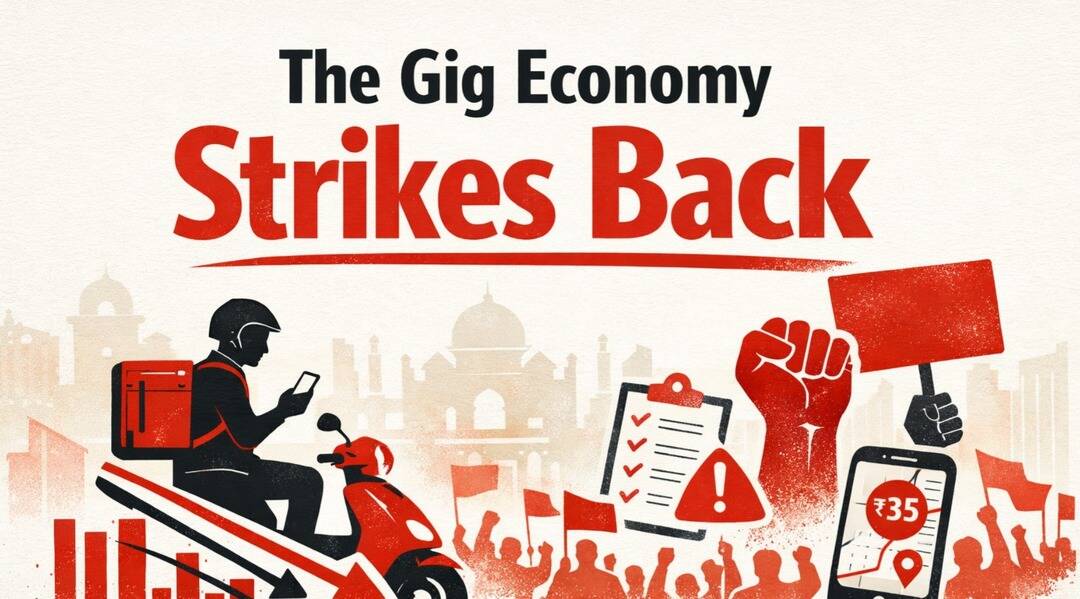
The Indian gig economy is striking back. In December, around 40,000 delivery workers joined nationwide strikes, disrupting 50–60% of orders in several cities. Workers cited low and unstable pay, strict app control, and weak protections. As companies defend growth and politicians intervene, the protests highlight a widening gap between convenience and fairness in India’s digital jobs.
The gig economy, which has grown exponentially in India over the past decade, has been hailed as a revolutionary force, providing flexible and convenient employment opportunities to millions of workers. However, the recent strikes have exposed the dark underbelly of this model, revealing a system that prioritizes profits over people. The striking workers, who are the backbone of the gig economy, are demanding better working conditions, fair pay, and social protections.
The strikes, which were organized by various worker unions and associations, targeted major food delivery and e-commerce platforms, including Zomato, Swiggy, and Amazon. The workers claimed that they were being exploited by these companies, which were paying them meager wages and denying them basic benefits like health insurance and paid leave. They also alleged that the companies were using algorithms to control their work, dictating everything from the routes they took to the number of deliveries they made.
One of the main grievances of the striking workers was the low and unstable pay. Many workers reported earning as little as ₹10,000-15,000 per month, which is barely enough to cover their living expenses. They also complained that their earnings were unpredictable, as the companies kept changing the payment structures and incentives. This made it difficult for them to plan their finances and secure their futures.
Another major concern of the workers was the strict app control exercised by the companies. The workers alleged that the companies were using the apps to monitor their every move, tracking their locations, and dictating their work schedules. This, they claimed, was not only intrusive but also stressful, as they were under constant pressure to perform and meet targets.
The workers also demanded better social protections, including health insurance, paid leave, and pension benefits. They argued that they were employees, not independent contractors, and deserved the same rights and benefits as other workers. They also called for greater transparency and accountability in the gig economy, including the right to form unions and bargain collectively.
The strikes have sparked a heated debate about the future of the gig economy in India. While the companies have defended their business models, arguing that they provide flexible and convenient employment opportunities to millions of workers, the workers and their unions have countered that the model is broken and needs to be reformed.
The Indian government has also intervened in the dispute, with the labor ministry calling for a meeting with the companies and the workers to resolve the issues. The government has also announced plans to regulate the gig economy, including the introduction of new laws and regulations to protect the rights of workers.
The strikes have also highlighted the widening gap between convenience and fairness in India’s digital jobs. While the gig economy has provided many benefits to consumers, including convenience, flexibility, and affordability, it has also created a new class of workers who are exploited and marginalized. The strikes have shown that the pursuit of convenience and profit cannot come at the cost of fairness and justice.
In conclusion, the Indian gig economy strikes have exposed a broken model that prioritizes profits over people. The striking workers have highlighted the need for fair pay, better working conditions, and social protections in the gig economy. As the debate about the future of the gig economy continues, it is clear that the model needs to be reformed to ensure that the benefits of digitalization are shared by all, including the workers who are the backbone of the economy.
The Indian government, companies, and civil society must work together to create a more equitable and sustainable gig economy that provides decent work and fair compensation to all workers. This can be achieved by introducing new laws and regulations, improving working conditions, and providing social protections to workers. Only then can the gig economy fulfill its promise of providing flexible and convenient employment opportunities to millions of workers, while also ensuring that they are treated with dignity and respect.
News Source: https://ascendants.in/industry_events/indian-gig-economy-strikes-platforms-policy/
About the Author