Indian gig economy strikes back, exposing a broken model
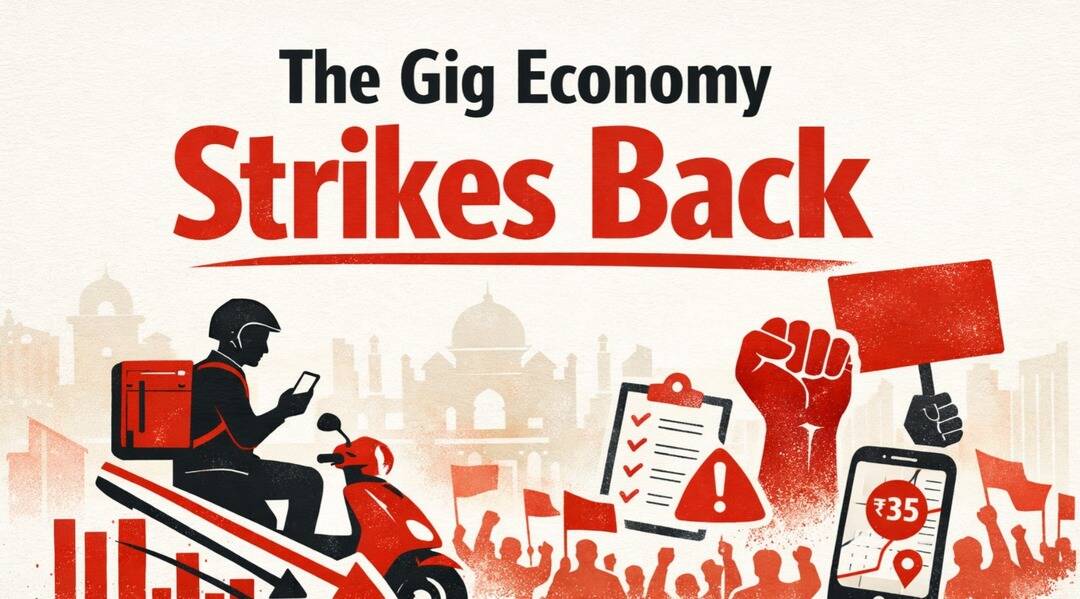
The Indian gig economy, once hailed as a revolutionary force in the job market, is now facing its biggest challenge yet. In December, around 40,000 delivery workers from various food delivery and e-commerce platforms went on a nationwide strike, disrupting 50-60% of orders in several cities. The strike, which was one of the largest of its kind, highlighted the deep-seated issues that have been plaguing the gig economy for years. Workers cited low and unstable pay, strict app control, and weak protections as the primary reasons for their discontent.
The gig economy, which has grown exponentially in India over the past decade, has been touted as a flexible and convenient way for people to earn a living. With the rise of food delivery and e-commerce platforms, millions of Indians have been able to find work as delivery partners, earning a decent income and enjoying the freedom to choose their own hours. However, beneath the surface of this seemingly utopian arrangement lies a more complex reality.
Delivery workers, who are the backbone of the gig economy, have been complaining about the poor working conditions and inadequate compensation for years. They are often forced to work long hours, navigate through heavy traffic, and deal with demanding customers, all while earning a pittance. The pay, which is often based on a per-delivery model, can be erratic and unpredictable, leaving workers struggling to make ends meet.
Furthermore, the gig economy platforms, which have been growing at an unprecedented rate, have been accused of exploiting their workers. The platforms, which often operate on a freelance model, do not provide their workers with basic benefits such as health insurance, paid leave, or job security. Workers are also subject to strict app control, which can lead to arbitrary terminations and a lack of transparency in the payment process.
The recent strike, which was organized by various worker unions and associations, has brought these issues to the forefront. Workers are demanding better pay, improved working conditions, and stronger protections from the platforms. They are also seeking greater transparency and accountability from the companies, which have been accused of prioritizing growth and profits over the welfare of their workers.
The strike has also sparked a wider debate about the future of the gig economy in India. As the sector continues to grow, there are concerns about the impact it will have on traditional employment and the social safety net. There are also questions about the role of government and regulatory bodies in ensuring that workers are protected and treated fairly.
In response to the strike, companies such as Zomato, Swiggy, and Uber Eats have defended their treatment of workers, citing the flexibility and autonomy that the gig economy provides. They have also argued that the pay and benefits offered to workers are competitive and fair, given the nature of the work.
However, workers and unions have disputed these claims, pointing out that the pay and benefits are often inadequate and that the platforms have a significant amount of control over the workers. They have also accused the companies of using technology to exploit workers, by using algorithms to optimize delivery routes and maximize profits.
The government has also intervened in the dispute, with ministers and officials calling for greater protections for gig economy workers. The Ministry of Labour and Employment has announced plans to regulate the gig economy, with a focus on providing workers with basic benefits and protections.
As the debate rages on, it is clear that the Indian gig economy is at a crossroads. The sector, which has grown rapidly over the past decade, is facing a crisis of confidence, with workers, companies, and governments struggling to find a balance between convenience and fairness.
The strike has highlighted the widening gap between the convenience and flexibility offered by the gig economy and the need for fairness and protections for workers. As the sector continues to grow, it is essential that companies, governments, and regulatory bodies work together to ensure that workers are treated fairly and with dignity.
In conclusion, the Indian gig economy strike has exposed a broken model that prioritizes growth and profits over the welfare of workers. The strike has highlighted the need for greater protections, better pay, and improved working conditions for delivery workers. As the sector continues to evolve, it is essential that we find a balance between convenience and fairness, and ensure that the gig economy works for everyone, not just the companies and investors.
News Source: https://ascendants.in/industry_events/indian-gig-economy-strikes-platforms-policy/
About the Author