Indian gig economy strikes back, exposing a broken model
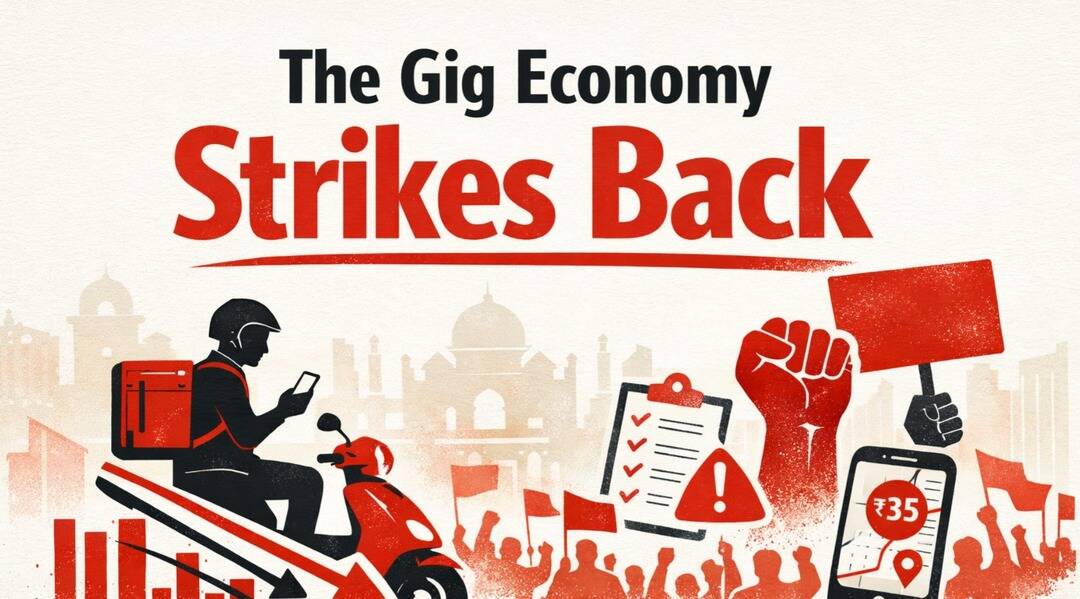
The Indian gig economy has been growing at an unprecedented rate, with millions of workers joining the sector in recent years. However, beneath the surface of this growth lies a complex web of issues that have been plaguing the workers, including low pay, unstable income, and lack of protections. In December, the frustration of these workers came to a boil, with around 40,000 delivery workers going on strike across the country, disrupting 50-60% of orders in several cities.
The strike, which was one of the largest of its kind, highlighted the deep-seated problems that exist within the gig economy. Workers cited low and unstable pay, strict app control, and weak protections as the main reasons for their protest. They argued that despite working long hours, they were not being fairly compensated, and that the companies they worked for were not providing them with the necessary support and protections.
The strike was a significant blow to the gig economy, which has become increasingly reliant on the labor of these workers. Companies such as Zomato, Swiggy, and Uber Eats, which have dominated the food delivery market, were forced to cancel thousands of orders, resulting in significant losses. However, the impact of the strike went beyond just the economic losses, as it highlighted the widening gap between convenience and fairness in India’s digital jobs.
The gig economy has been touted as a revolutionary force, one that has transformed the way we work and live. It has provided millions of people with the opportunity to earn a living, and has given consumers unparalleled convenience. However, beneath the surface of this convenience lies a complex web of exploitation, where workers are forced to work long hours for low pay, and are denied basic protections and benefits.
The strike has sparked a debate about the future of the gig economy, and the need for greater protections and regulations. Politicians have intervened, with some calling for greater oversight and regulation of the sector. Companies have also defended their growth, arguing that they provide workers with flexibility and opportunity. However, the workers themselves are clear: they want fair pay, stable income, and greater protections.
The issue of pay is a significant one, with many workers arguing that they are not being fairly compensated for their labor. Despite working long hours, many workers earn barely enough to make ends meet, and are often forced to rely on tips and bonuses to supplement their income. The lack of stability is also a major concern, with workers often facing uncertainty about their income from one day to the next.
The strict app control is another issue that has been cited by workers. The algorithms that govern the gig economy are designed to maximize efficiency and minimize costs, but they often do so at the expense of the workers. Workers are forced to work at breakneck speeds, with little time to rest or take breaks. They are also subject to strict ratings systems, which can result in them being penalized or even fired if they fail to meet certain standards.
The lack of protections is also a major concern. Workers in the gig economy are often classified as independent contractors, rather than employees, which means that they are not entitled to basic benefits such as health insurance, paid time off, or workers’ compensation. They are also often forced to bear the costs of their own equipment and expenses, which can be a significant burden.
The strike has highlighted the need for greater protections and regulations in the gig economy. Workers are calling for fair pay, stable income, and greater protections, and are demanding that companies take responsibility for their labor practices. Politicians are also beginning to take notice, with some calling for greater oversight and regulation of the sector.
In conclusion, the Indian gig economy strike has exposed a broken model, one that prioritizes convenience and growth over fairness and justice. The issues that have been highlighted by the strike are complex and deep-seated, and will require significant changes to the way that the gig economy operates. However, the strike has also shown that workers are willing to fight for their rights, and that they will no longer be silenced or exploited.
As the gig economy continues to grow and evolve, it is essential that we prioritize the needs and rights of the workers who make it possible. This includes providing fair pay, stable income, and greater protections, as well as ensuring that companies take responsibility for their labor practices. Only by doing so can we create a gig economy that is fair, just, and sustainable for all.
News Source: https://ascendants.in/industry_events/indian-gig-economy-strikes-platforms-policy/
About the Author