Indian gig economy strikes back, exposing a broken model
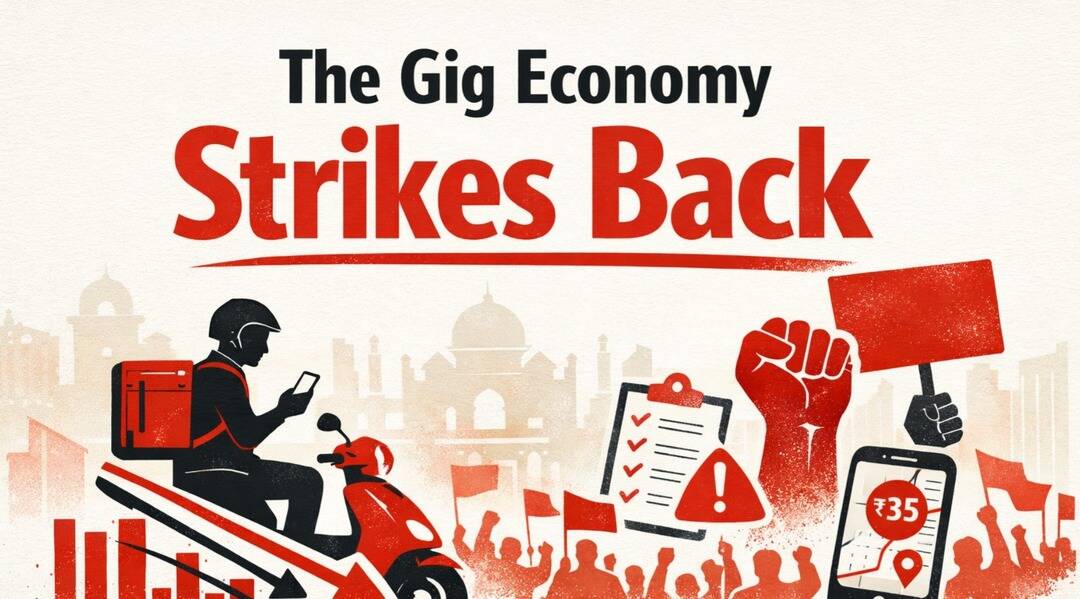
The Indian gig economy has been a topic of discussion for quite some time now, with the rise of food delivery and ride-hailing services changing the way people live and work. However, behind the convenience and flexibility that these platforms offer, lies a complex web of issues that affect the very people who make them run – the workers. In December, around 40,000 delivery workers joined nationwide strikes, disrupting 50–60% of orders in several cities, bringing to light the harsh realities of the gig economy in India.
The strikes, which were organized by various worker unions and associations, were a result of the growing discontent among delivery workers who felt that they were being exploited by the companies they worked for. The workers cited low and unstable pay, strict app control, and weak protections as the main reasons for their grievances. They argued that despite working long hours, often in harsh weather conditions, they were not being fairly compensated for their work. The workers also complained about the lack of job security, benefits, and social protections, which made it difficult for them to make ends meet.
The strikes were not limited to just one or two companies, but affected several major food delivery and ride-hailing platforms in India. The disruption caused by the strikes was significant, with many customers taking to social media to express their frustration and disappointment. However, the workers remained resolute, demanding that the companies take their grievances seriously and work towards finding a solution.
As the strikes continued, companies defended their growth and business models, arguing that they provided workers with flexible and convenient opportunities to earn a living. They also pointed out that the workers were not employees, but rather independent contractors who chose to work with the platforms. However, this argument did little to placate the workers, who felt that they were being treated unfairly and exploited by the companies.
The Indian government also intervened in the matter, with politicians from various parties weighing in on the issue. Some politicians argued that the companies needed to do more to protect the rights of the workers, while others felt that the government needed to intervene to regulate the gig economy. The intervention of the government highlighted the complexity of the issue and the need for a comprehensive solution that balanced the interests of both the companies and the workers.
The strikes by the delivery workers in India are not an isolated incident, but rather part of a larger trend of worker unrest in the gig economy. Similar strikes and protests have taken place in other countries, including the United States and the United Kingdom, where workers have demanded better pay, benefits, and protections. The issue highlights a widening gap between convenience and fairness in the digital jobs market, where workers are often treated as disposable assets rather than human beings.
The Indian gig economy is a significant sector, with millions of workers employed in various roles, from food delivery and ride-hailing to freelance work and online tutoring. The sector has grown rapidly in recent years, driven by the increasing demand for convenience and flexibility. However, the growth of the sector has also raised concerns about the impact on workers, who often lack the protections and benefits that come with traditional employment.
The strikes by the delivery workers in India are a wake-up call for companies, policymakers, and regulators to take a closer look at the gig economy and its impact on workers. It highlights the need for a more nuanced and balanced approach to the sector, one that takes into account the interests of both the companies and the workers. The issue is complex and multifaceted, requiring a comprehensive solution that involves all stakeholders.
As the Indian gig economy continues to grow and evolve, it is essential to address the issues that affect the workers who make it run. This requires a fundamental shift in the way companies think about their workers, from treating them as disposable assets to recognizing them as human beings with rights and dignity. It also requires policymakers and regulators to take a more active role in regulating the sector, ensuring that workers are protected and treated fairly.
In conclusion, the strikes by the delivery workers in India are a significant development in the gig economy, highlighting the need for a more balanced and nuanced approach to the sector. As companies, policymakers, and regulators work towards finding a solution, it is essential to keep in mind the interests of the workers, who are the backbone of the gig economy. The issue is complex and multifaceted, requiring a comprehensive solution that involves all stakeholders. Only then can we create a gig economy that is fair, equitable, and sustainable for all.
News Source: https://ascendants.in/industry_events/indian-gig-economy-strikes-platforms-policy/
About the Author