Indian gig economy strikes back, exposing a broken model
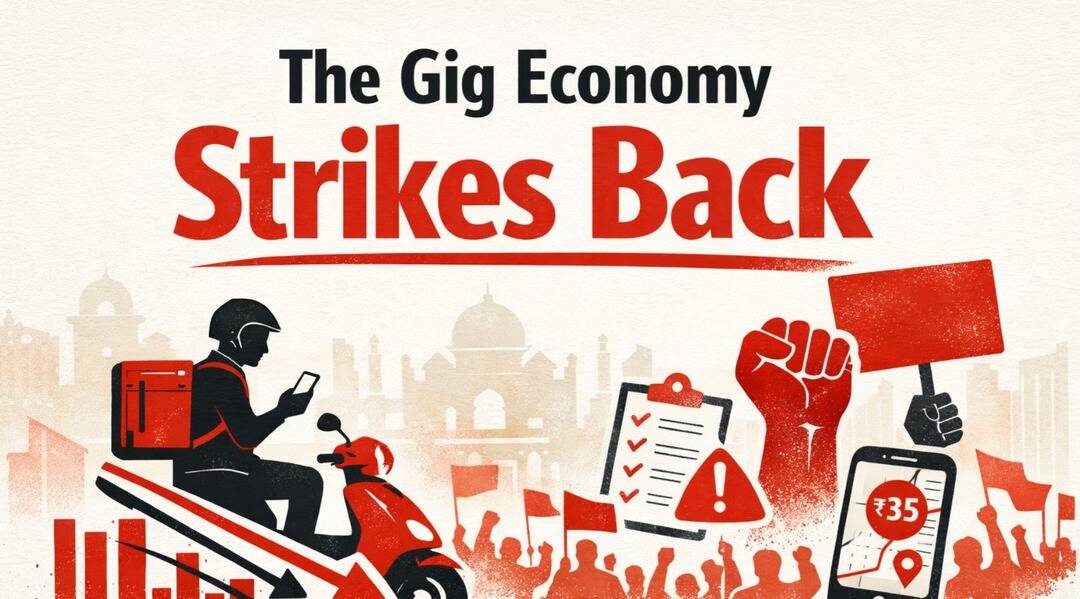
The Indian gig economy, which has been booming in recent years, has hit a roadblock. In December, around 40,000 delivery workers joined nationwide strikes, disrupting 50–60% of orders in several cities. The workers, who are the backbone of the gig economy, cited low and unstable pay, strict app control, and weak protections as the reasons for their strike. This massive protest has brought to light the darker side of the gig economy, exposing a broken model that prioritizes growth over fairness and worker welfare.
The gig economy, which includes companies like Zomato, Swiggy, and Uber, has been growing rapidly in India. These companies have made it convenient for consumers to order food, book cabs, and avail other services with just a few clicks on their smartphones. However, the convenience comes at a cost. The workers who are responsible for delivering these services are often paid minimal wages, have no job security, and are treated as independent contractors rather than employees.
The strike, which was called by various worker unions and associations, was a culmination of months of discontent among the workers. They have been complaining about the low pay, long working hours, and lack of benefits. The workers are paid on a per-delivery basis, which means that their earnings are directly tied to the number of deliveries they make. This has led to a situation where workers are forced to work long hours, often exceeding 12 hours a day, to make a decent living.
Moreover, the workers have no control over their schedules, and are often forced to work during peak hours, including nights and weekends. The companies use algorithms to manage the workflow, which means that workers are assigned deliveries based on their location and availability. This has led to a situation where workers are treated as machines, rather than human beings.
The strike has also highlighted the issue of app control, where the companies use their apps to monitor and control the workers. The workers are required to be online on the app for a certain number of hours every day, and are penalized if they fail to do so. This has led to a situation where workers are forced to be constantly connected to the app, even when they are not working.
The weak protections for workers are another major issue. The workers are not entitled to any benefits, including health insurance, pension, or paid leave. They are also not protected by labor laws, which means that they can be fired at any time without notice. This has led to a situation where workers are vulnerable to exploitation, and are forced to work in a precarious environment.
The companies have defended their model, saying that they provide flexible work opportunities to millions of workers. They claim that the workers are independent contractors, and are free to choose when and how much they want to work. However, this argument is not convincing, given the level of control that the companies exert over the workers.
The politicians have also intervened in the issue, with some calling for greater regulation of the gig economy. The government has announced plans to introduce new laws to protect the rights of gig workers, including providing them with social security benefits and ensuring that they are paid minimum wages. However, the implementation of these laws is still uncertain, and it remains to be seen whether they will be effective in addressing the issues faced by the workers.
The strike has also raised questions about the sustainability of the gig economy model. The companies have been growing rapidly, but at what cost? The workers are the backbone of the gig economy, and their exploitation is a major concern. The companies need to rethink their model, and prioritize the welfare of the workers.
In conclusion, the Indian gig economy strike has exposed a broken model that prioritizes growth over fairness and worker welfare. The workers have been complaining about low pay, strict app control, and weak protections, and their strike has brought these issues to the forefront. The companies need to rethink their model, and prioritize the welfare of the workers. The politicians also need to intervene, and introduce laws that protect the rights of gig workers. The gig economy has the potential to provide flexible work opportunities to millions of workers, but it needs to be done in a way that is fair and sustainable.
The issue of the gig economy is complex, and there are no easy solutions. However, one thing is clear: the current model is not working, and it needs to be changed. The workers deserve better, and it is time for the companies and the politicians to take notice.
The Indian gig economy strike is a wake-up call for the companies, the politicians, and the consumers. It is time to rethink the gig economy model, and prioritize the welfare of the workers. The convenience of the gig economy should not come at the cost of worker exploitation. It is time for a change, and it is time for the gig economy to be fair and sustainable.
Source: https://ascendants.in/industry_events/indian-gig-economy-strikes-platforms-policy/
About the Author