Indian gig economy strikes back, exposing a broken model
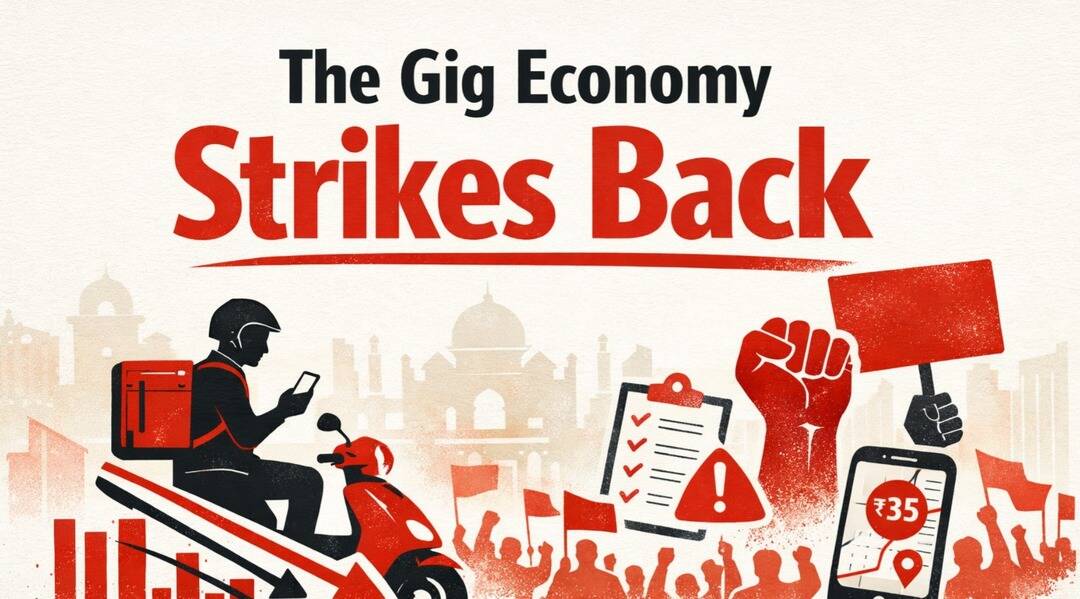
The Indian gig economy, which has been thriving in recent years, has finally struck back. In a wave of protests that shook the country in December, around 40,000 delivery workers joined nationwide strikes, disrupting 50-60% of orders in several cities. The workers, who are the backbone of the gig economy, cited low and unstable pay, strict app control, and weak protections as the reasons for their protests. As companies defend their growth and politicians intervene, the protests have highlighted a widening gap between convenience and fairness in India’s digital jobs.
The Indian gig economy has been growing at an unprecedented rate, with millions of workers joining platforms such as Zomato, Swiggy, and Uber to earn a living. These platforms have made it convenient for consumers to order food, book cabs, and avail other services with just a few clicks on their smartphones. However, the convenience comes at a cost, and the workers who make it possible are bearing the brunt of it.
The protests, which were organized by various worker unions and associations, were a culmination of years of frustration and anger among the workers. They have been complaining about the low pay, long working hours, and lack of benefits, but their voices have been ignored by the companies and the government. The strikes were a way for the workers to assert their rights and demand better working conditions.
One of the main grievances of the workers is the low and unstable pay. The companies pay the workers on a per-delivery basis, which means that their earnings are directly tied to the number of deliveries they make. However, the companies have been reducing the payment per delivery, making it difficult for the workers to earn a decent living. The workers are also not entitled to any benefits, such as health insurance, provident fund, or gratuity, which are mandatory for regular employees.
Another issue that the workers are facing is the strict app control. The companies use algorithms to manage the workflow, and the workers are required to follow the instructions on the app to the letter. The app dictates the route they take, the time they take to complete a delivery, and even the way they interact with the customers. The workers have no flexibility or autonomy, and they are penalized if they fail to meet the targets set by the app.
The lack of protections is also a major concern for the workers. They are not considered employees of the companies, but rather as independent contractors. This means that they are not entitled to any labor protections, such as minimum wage, overtime pay, or workers’ compensation. The workers are also not unionized, which makes it difficult for them to negotiate with the companies.
The protests have sparked a debate about the future of the gig economy in India. The companies have defended their model, saying that it provides flexibility and opportunities for workers to earn a living. However, the workers argue that the model is exploitative and needs to be changed. The government has also intervened, with some politicians calling for better regulation of the gig economy.
The issue is complex, and there are no easy solutions. However, one thing is clear: the current model is broken, and it needs to be fixed. The companies need to take responsibility for the workers and provide them with better pay, benefits, and protections. The government also needs to step in and regulate the gig economy to ensure that the workers are treated fairly.
In recent years, there have been several attempts to regulate the gig economy in India. The government has introduced laws and regulations to protect the workers, but they have been inadequate. The companies have also introduced some measures to improve the working conditions of the workers, but they have been half-hearted.
The protests have highlighted the need for a more comprehensive approach to regulating the gig economy. The government needs to introduce laws and regulations that protect the workers and provide them with better pay, benefits, and protections. The companies also need to take responsibility for the workers and provide them with better working conditions.
In conclusion, the Indian gig economy has struck back, exposing a broken model that needs to be fixed. The protests have highlighted the widening gap between convenience and fairness in India’s digital jobs, and they have sparked a debate about the future of the gig economy. The companies and the government need to take responsibility for the workers and provide them with better pay, benefits, and protections. Only then can the gig economy thrive and provide opportunities for millions of workers in India.
News source: https://ascendants.in/industry_events/indian-gig-economy-strikes-platforms-policy/
About the Author