I am a maker, not a taker like Bernie Sanders: Elon Musk
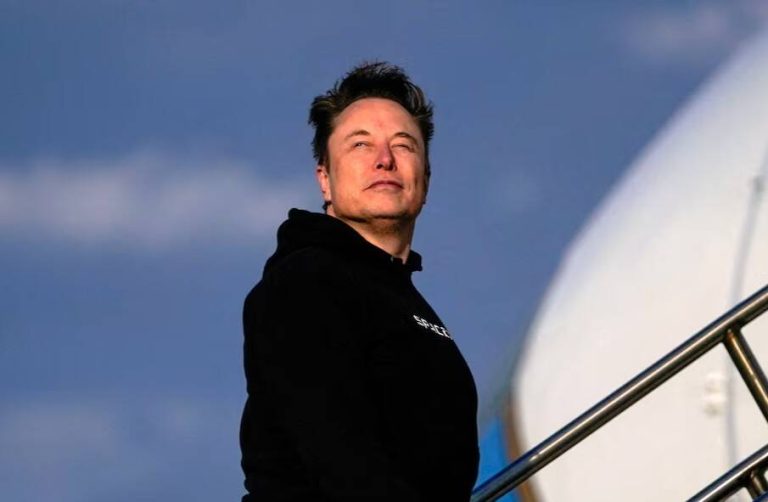
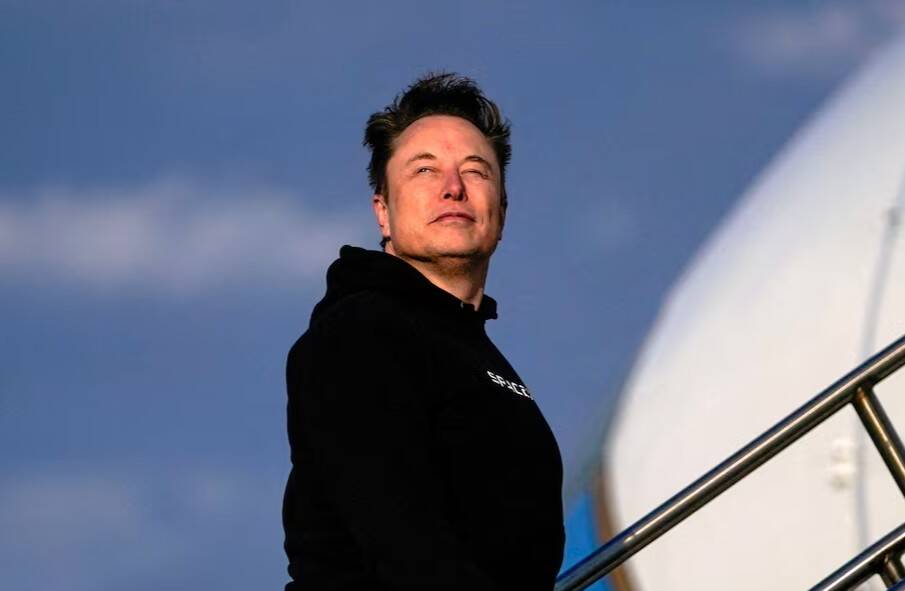
In a recent statement, billionaire entrepreneur Elon Musk sparked a heated debate by distinguishing himself from politicians like Bernie Sanders, labeling himself as a “maker” rather than a “taker.” Musk’s comments have ignited a firestorm of reactions, with some hailing him as a visionary and others criticizing him for his perceived arrogance. In this blog post, we will delve into the context and implications of Musk’s statement, exploring what it means to be a “maker” versus a “taker” and the potential consequences of such a mindset.
Musk’s statement came in response to criticisms of his vast wealth, which is largely tied to his ownership of Tesla and SpaceX shares. According to Musk, his wealth is inextricably linked to the success of his companies, which can “only increase due to producing more products and services for the public.” This, he argues, is a key differentiator between himself and politicians like Bernie Sanders, who he claims are “takers” because they “cannot or will not make.” In other words, Musk sees himself as a creator of value, whereas politicians are merely redistributors of existing wealth.
At its core, the distinction between being a “maker” and a “taker” is a philosophical one. Makers, according to Musk, are individuals who create value through their innovative ideas, hard work, and entrepreneurial spirit. They are the driving force behind economic growth, innovation, and progress. On the other hand, takers are those who rely on the efforts of others to achieve their goals, often through government intervention, taxation, or other forms of redistribution. In Musk’s view, takers are a drain on the economy, stifling innovation and creativity by penalizing success and rewarding mediocrity.
While Musk’s statement may be seen as a swipe at politicians like Bernie Sanders, who have advocated for greater wealth redistribution and social welfare programs, it also reflects a deeper ideological divide in American society. On one hand, there are those who believe that the free market is the most effective way to promote economic growth and innovation, and that government intervention should be limited to protecting property rights and enforcing contracts. On the other hand, there are those who argue that the government has a critical role to play in addressing issues like income inequality, access to education and healthcare, and environmental protection.
Musk’s self-identification as a “maker” also raises questions about the role of entrepreneurship and innovation in driving economic growth. As the founder of companies like PayPal, Tesla, and SpaceX, Musk has undoubtedly created enormous value for his customers, employees, and shareholders. His companies have disrupted traditional industries, created new markets, and pushed the boundaries of what is possible through technology and innovation. However, it is also important to recognize that Musk’s success has been facilitated by a range of factors, including government subsidies, tax breaks, and investments in infrastructure.
Furthermore, the notion that individuals like Musk are solely responsible for their success is a simplistic one. While hard work, determination, and vision are undoubtedly essential for achieving greatness, they are not the only factors at play. Many entrepreneurs, including Musk, have benefited from a range of external factors, including access to education, networking opportunities, and government support. Moreover, the idea that politicians are merely “takers” who are unable or unwilling to create value is a gross oversimplification of the complex role that government plays in modern society.
In conclusion, Elon Musk’s statement about being a “maker” rather than a “taker” like Bernie Sanders reflects a deeper ideological divide in American society. While Musk’s comments may be seen as a celebration of entrepreneurship and innovation, they also raise important questions about the role of government, the nature of economic growth, and the distribution of wealth. As we move forward, it is essential to recognize the complexity of these issues and to engage in a nuanced and informed discussion about the best way to promote economic growth, innovation, and social welfare.
Ultimately, the distinction between being a “maker” and a “taker” is not a binary one. Most individuals, including politicians and entrepreneurs, play a combination of both roles at different times. What is important is to recognize the value of both makers and takers, and to strive for a more balanced and equitable approach to economic growth and development.
News Source: https://x.com/elonmusk/status/2006014310607167607
About the Author