I am a Maker, Not a Taker like Bernie Sanders: Elon Musk
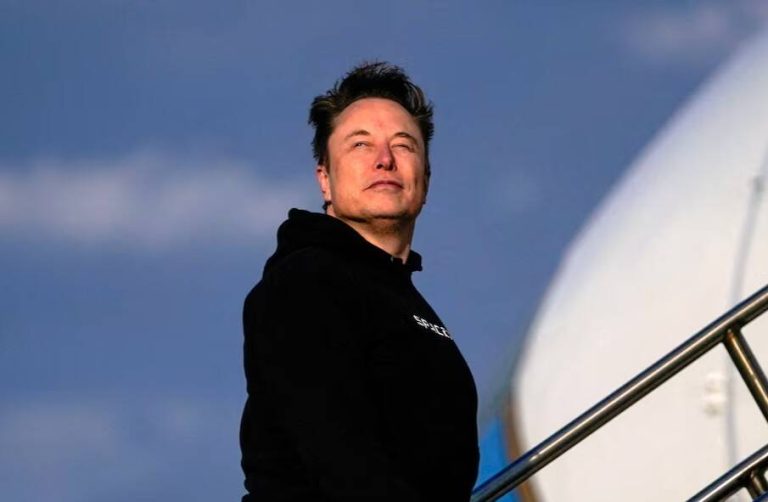
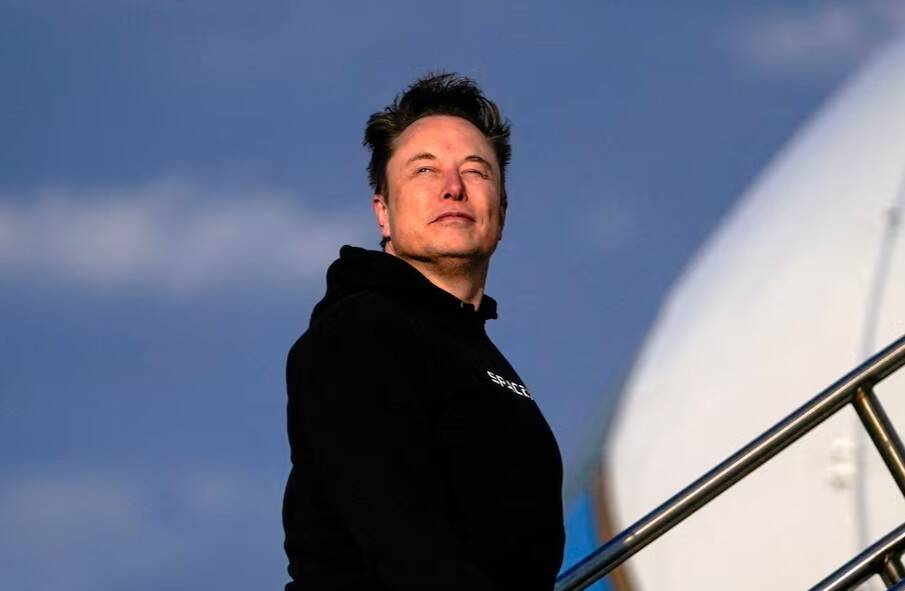
In a recent statement, billionaire entrepreneur Elon Musk sparked a heated debate by contrasting his own approach to wealth creation with that of politicians like Bernie Sanders. Musk, who has built his fortune through innovative ventures such as Tesla and SpaceX, asserted that his wealth is tied to the production of goods and services that benefit the public. He claimed that his wealth can “only increase due to producing more products and services for the public,” emphasizing the distinction between his entrepreneurial spirit and the perceived redistributive policies of certain politicians.
Musk’s statement was a clear response to the criticisms leveled against him and other wealthy individuals by politicians like Bernie Sanders, who have advocated for greater economic equality and redistribution of wealth. Sanders, a self-described democratic socialist, has long argued that the wealthy should contribute more to the public coffers to support social welfare programs and address income inequality. Musk, on the other hand, believes that his wealth is a direct result of his innovative endeavors, which have created value for society as a whole.
“That is because I am a maker, not a taker like the Bernie Sanders-type politicians of the world,” Musk stated. “They take…because they cannot or will not make,” he added, implying that politicians like Sanders rely on redistributing existing wealth rather than creating new value. This dichotomy between “makers” and “takers” has sparked a lively discussion about the nature of wealth creation, economic inequality, and the role of government in regulating the economy.
Musk’s argument is rooted in the idea that entrepreneurship and innovation are the primary drivers of economic growth and prosperity. By creating new products and services, entrepreneurs like himself are able to generate wealth and jobs, which in turn benefit society as a whole. This perspective is often associated with the concept of “supply-side economics,” which holds that economic growth is best achieved by incentivizing entrepreneurship, investment, and innovation.
On the other hand, politicians like Bernie Sanders argue that the current economic system is rigged in favor of the wealthy, who use their power and influence to accumulate more wealth at the expense of the poor and middle class. They advocate for policies like progressive taxation, increased regulation of industries, and social welfare programs to address income inequality and promote greater economic equality.
The debate between Musk and Sanders reflects a deeper philosophical divide about the role of government in the economy and the nature of wealth creation. While Musk sees himself as a creator of value, Sanders views the wealthy as beneficiaries of a system that is inherently unfair. This tension between the “makers” and “takers” is not new, but it has taken on a new significance in the context of growing economic inequality and the rising popularity of socialist ideas.
It is worth noting that Musk’s statement has been met with both praise and criticism. Some have applauded his commitment to entrepreneurship and innovation, while others have accused him of being tone-deaf and insensitive to the struggles of those who are less fortunate. The fact that Musk’s wealth is tied to the performance of his companies, which are publicly traded, has also raised questions about the relationship between his personal wealth and the broader economy.
Ultimately, the debate between Musk and Sanders reflects a fundamental disagreement about the nature of wealth creation and the role of government in regulating the economy. While Musk sees himself as a creator of value, Sanders views the wealthy as beneficiaries of a system that is inherently unfair. As the conversation about economic inequality and socialism continues to evolve, it is likely that this debate will remain a central theme in the discussion about the future of the economy and the role of government in shaping it.
In conclusion, Elon Musk’s statement has sparked a lively debate about the nature of wealth creation and the role of government in regulating the economy. While Musk sees himself as a “maker” who creates value through innovation and entrepreneurship, politicians like Bernie Sanders argue that the wealthy are beneficiaries of a system that is inherently unfair. As the conversation about economic inequality and socialism continues to evolve, it is likely that this debate will remain a central theme in the discussion about the future of the economy.
News Source: https://x.com/elonmusk/status/2006014310607167607
About the Author