I am a Maker, not a Taker like Bernie Sanders: Elon Musk
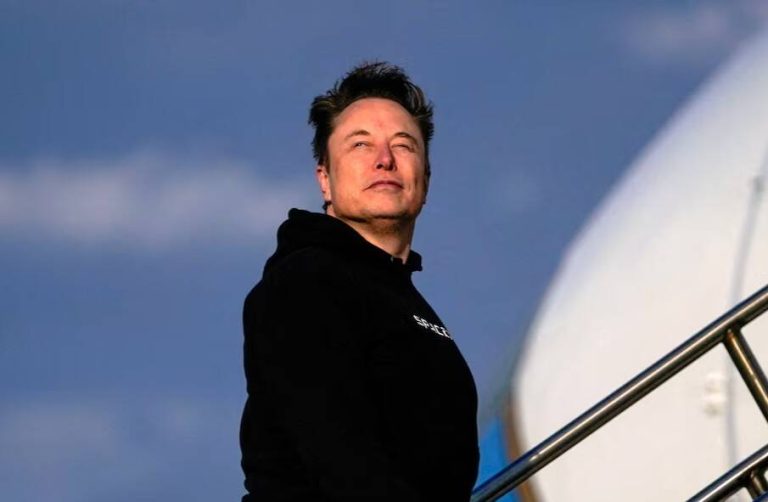
In a recent statement, Elon Musk, the billionaire entrepreneur and CEO of Tesla and SpaceX, sparked controversy by distinguishing himself from politicians like Bernie Sanders, labeling himself as a “maker” rather than a “taker.” This statement has ignited a heated debate about the role of wealth, entrepreneurship, and the responsibilities that come with it. Musk’s assertion that his wealth is tied to producing value for the public, as opposed to taking from others, raises fundamental questions about the nature of capitalism, the distribution of wealth, and the societal contributions of both business leaders and politicians.
Musk’s comments were made in the context of his vast wealth, which is predominantly tied up in shares of Tesla and SpaceX, two companies that have been at the forefront of innovation in electric vehicles and space exploration, respectively. By emphasizing that his wealth can “only increase due to producing more products and services for the public,” Musk is highlighting the intrinsic link between his financial success and the value his companies bring to society. This perspective underscores the capitalist principle that wealth is generated through the creation of value, not merely through the redistribution of existing wealth.
The distinction Musk draws between being a “maker” and a “taker” is particularly interesting. He implies that his role, and that of entrepreneurs like him, is to create products, services, and jobs that contribute to economic growth and societal advancement. In contrast, he suggests that politicians, especially those with socialist leanings like Bernie Sanders, are more focused on redistributing wealth rather than creating it. Musk’s critique is not just about the economic policies of such politicians but also about their approach to wealth and value creation.
Musk’s statement, “They take…because they cannot or will not make,” is a blunt assessment of what he perceives as a lack of understanding or capability among certain politicians to generate wealth through innovation and hard work. This view reflects a broader critique of socialist or redistributive economic policies, which some argue can discourage innovation and investment by imposing high taxes or stringent regulations on businesses. According to Musk and like-minded individuals, the focus should be on creating an environment that fosters entrepreneurship, innovation, and job creation, rather than solely on redistributing existing wealth.
However, critics of Musk’s view might argue that his perspective oversimplifies the complex issues surrounding wealth distribution and the role of government in regulating economies. They might point out that a certain level of wealth inequality is inherent in capitalist systems and that government intervention, such as through progressive taxation or social welfare programs, is necessary to mitigate the negative consequences of such inequality. Furthermore, they could argue that politicians like Bernie Sanders are not merely “takers” but are instead advocating for a more equitable society where everyone has access to basic needs like healthcare, education, and a living wage.
It’s also worth considering the source of Musk’s wealth and the role of government in his success. While Musk is indeed a prolific innovator and entrepreneur, his companies have also benefited from government incentives, contracts, and investments. For example, Tesla has received significant subsidies for electric vehicle production, and SpaceX has secured lucrative contracts with NASA. This interplay between private enterprise and public support complicates the narrative of the self-made entrepreneur and highlights the importance of government in facilitating innovation and economic growth.
In conclusion, Elon Musk’s statement reflects a profound debate about the nature of wealth, entrepreneurship, and the role of government in the economy. While Musk’s achievements as a “maker” are undeniable, his critique of politicians as “takers” simplifies the complexities of economic policy and the challenges of addressing wealth inequality. As society continues to grapple with these issues, it’s essential to consider a balanced perspective that acknowledges both the importance of innovation and entrepreneurship and the need for equitable economic policies that benefit all members of society.
For more information on this story, visit: https://x.com/elonmusk/status/2006014310607167607
About the Author