I am a maker, not a taker like Bernie Sanders: Elon Musk
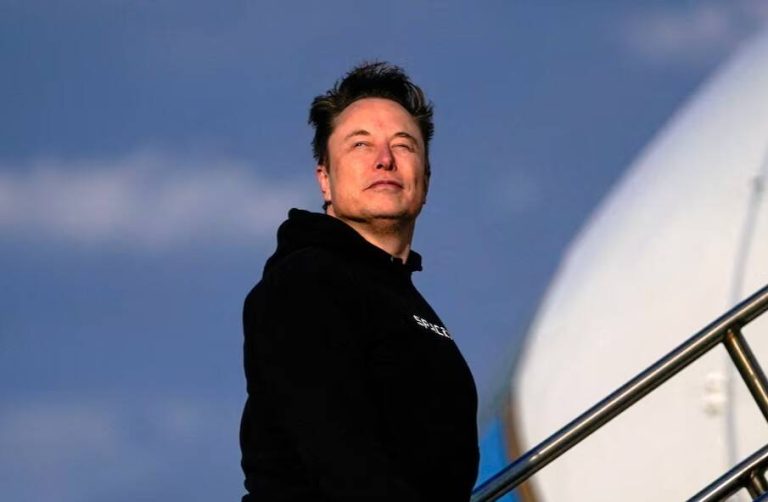
In a recent statement, Elon Musk, the billionaire CEO of Tesla and SpaceX, sparked a heated debate about the role of wealth and entrepreneurship in society. Musk, known for his innovative ideas and ambitious goals, claimed that his wealth is a direct result of his hard work and dedication to creating products and services that benefit the public. He drew a stark contrast between himself and politicians like Bernie Sanders, who he believes are “takers” rather than “makers.”
Musk’s statement was made in response to the ongoing discussion about wealth inequality and the role of taxation in addressing it. While some argue that the wealthy should be taxed more to redistribute wealth and reduce inequality, others believe that this approach can stifle innovation and entrepreneurship. Musk’s comments reflect the latter view, suggesting that his wealth is not a result of exploiting others, but rather of creating value through his businesses.
According to Musk, most of his wealth is tied to Tesla and SpaceX shares, which can “only increase due to producing more products and services for the public.” This, he believes, is a key difference between himself and politicians like Bernie Sanders, who he accuses of being “takers” rather than “makers.” In Musk’s view, these politicians take from others through taxation and redistribution, rather than creating value through innovation and entrepreneurship.
“That is because I am a maker, not a taker like the Bernie Sanders-type politicians of the world,” Musk stated. “They take…because they cannot or will not make,” he added. This statement reflects Musk’s belief that entrepreneurship and innovation are the key drivers of economic growth and prosperity, rather than government intervention or redistribution.
Musk’s comments have sparked a lively debate about the role of wealth and entrepreneurship in society. Some have praised Musk for his innovative spirit and his ability to create value through his businesses. Others have criticized him for his perceived arrogance and lack of understanding of the challenges faced by those who are less fortunate.
While Musk’s statement may be seen as provocative, it reflects a deeper philosophical debate about the nature of wealth and entrepreneurship. On one hand, some argue that wealth is a result of hard work and dedication, and that those who are successful have earned their riches through their own efforts. On the other hand, others believe that wealth is often the result of privilege and circumstance, and that those who are successful have a responsibility to give back to society.
In the context of this debate, Musk’s statement can be seen as a reflection of the libertarian view that entrepreneurship and innovation are the key drivers of economic growth and prosperity. According to this view, government intervention and taxation can stifle innovation and entrepreneurship, and that the best way to promote economic growth is to allow individuals and businesses to pursue their own interests and create value through their own efforts.
However, others may argue that this view is overly simplistic, and that it ignores the role of privilege and circumstance in shaping economic outcomes. They may point out that many successful entrepreneurs, including Musk himself, have benefited from government subsidies, tax breaks, and other forms of support. They may also argue that the wealthy have a responsibility to give back to society, and that taxation and redistribution can be effective ways to address wealth inequality and promote social justice.
Ultimately, the debate sparked by Musk’s statement reflects a deeper philosophical divide about the nature of wealth and entrepreneurship. While some see wealth as a result of hard work and dedication, others believe that it is often the result of privilege and circumstance. As the discussion continues, it is likely that we will see a range of perspectives and opinions on this issue, reflecting the complexity and nuance of the debate.
In conclusion, Elon Musk’s statement about being a “maker” rather than a “taker” reflects a deeper philosophical debate about the nature of wealth and entrepreneurship. While some may praise Musk for his innovative spirit and his ability to create value through his businesses, others may criticize him for his perceived arrogance and lack of understanding of the challenges faced by those who are less fortunate. As we continue to discuss and debate this issue, it is essential to consider a range of perspectives and opinions, and to approach the topic with nuance and complexity.
News source: https://x.com/elonmusk/status/2006014310607167607
About the Author