I am a Maker, Not a Taker like Bernie Sanders: Elon Musk
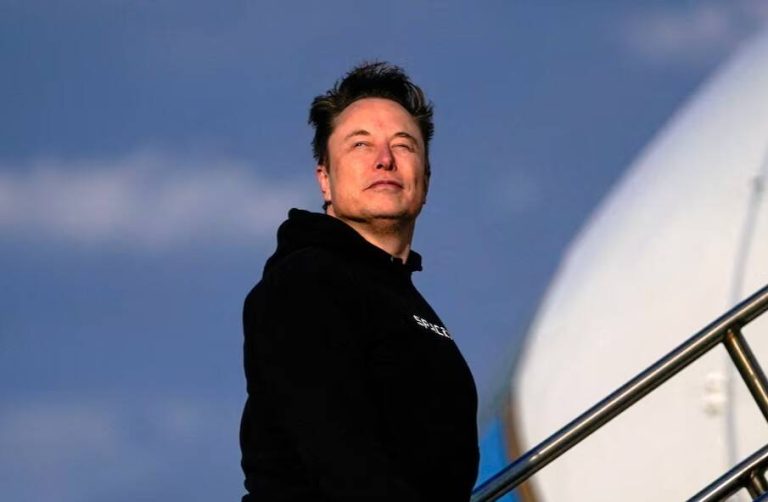
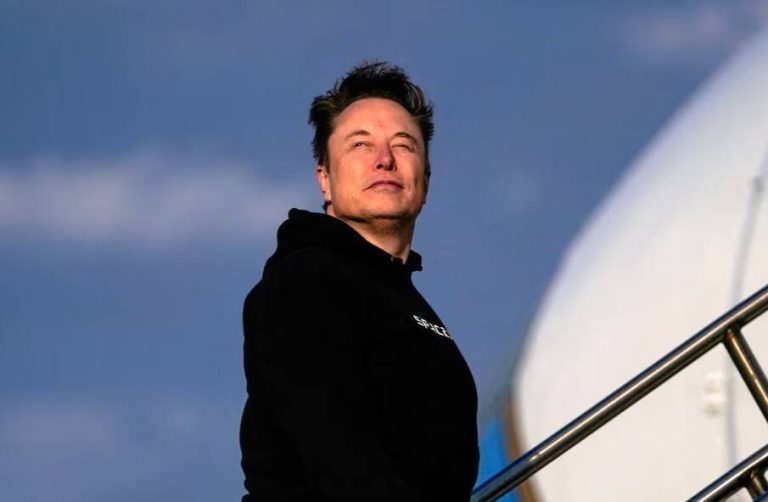
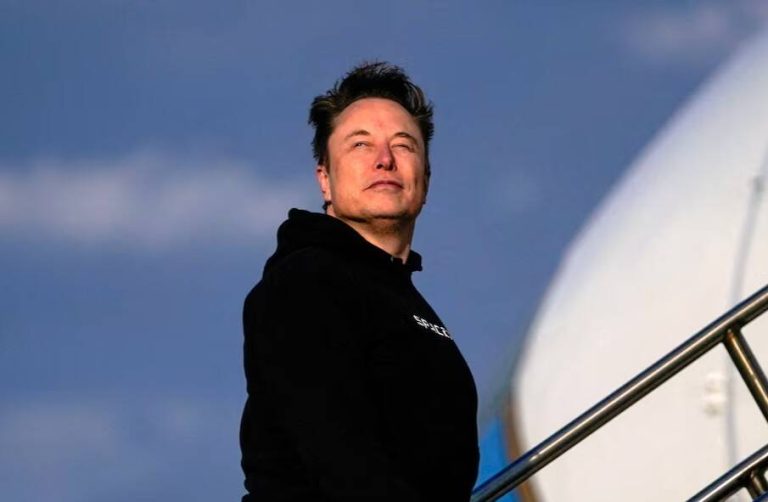
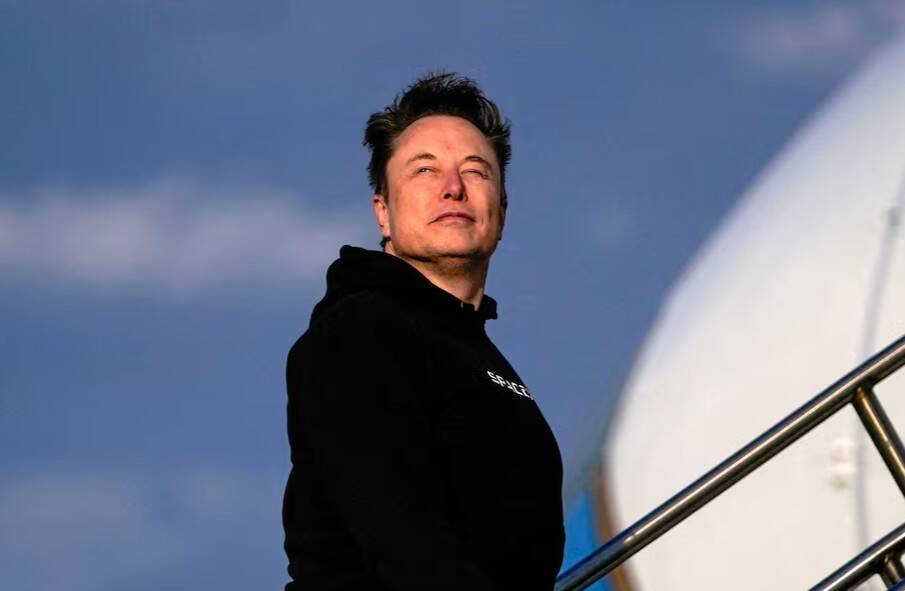
In a recent statement, Elon Musk, the CEO of Tesla and SpaceX, sparked a heated debate about the role of wealth and entrepreneurship in society. Musk, who is known for his innovative ideas and ambitious projects, claimed that his wealth is a result of his hard work and dedication to creating products and services that benefit the public. He also took a swipe at politicians like Bernie Sanders, who he believes are “takers” rather than “makers.”
According to Musk, most of his wealth, which is tied to Tesla and SpaceX shares, can “only increase due to producing more products and services for the public.” This statement suggests that Musk believes his wealth is a direct result of his ability to create value for society, rather than simply accumulating wealth through exploitation or privilege. “That is because I am a maker, not a taker like the Bernie Sanders-type politicians of the world,” he stated. “They take…because they cannot or will not make,” he added.
Musk’s comments have sparked a lively debate about the nature of wealth and entrepreneurship. On one hand, some people argue that Musk’s success is a testament to the power of hard work and innovation. They believe that entrepreneurs like Musk are the driving force behind economic growth and job creation, and that their wealth is a well-deserved reward for their efforts.
On the other hand, others argue that Musk’s comments are tone-deaf and ignore the role of privilege and luck in his success. They point out that Musk was born into a wealthy family and had access to resources and opportunities that many people can only dream of. They also argue that Musk’s companies, particularly Tesla, have received significant government subsidies and tax breaks, which have helped to fuel their growth.
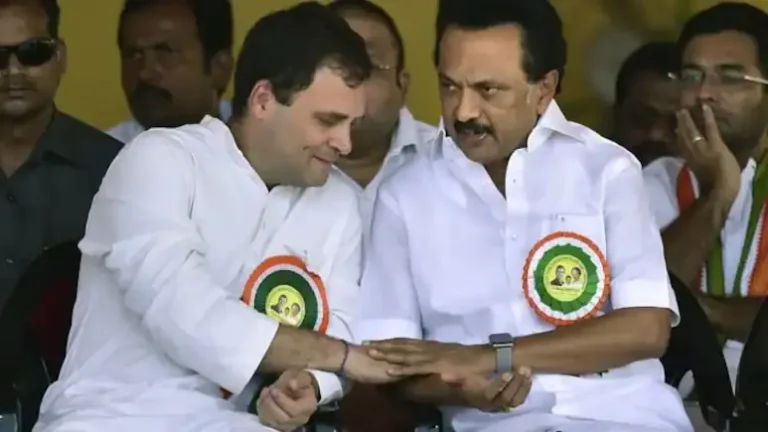
It’s also worth noting that Musk’s comments about Bernie Sanders and other politicians are likely to be seen as provocative and divisive. Sanders, a democratic socialist, has been a vocal critic of income inequality and the concentration of wealth among the top 1% of earners. He has proposed a range of policies aimed at reducing inequality, including higher taxes on the wealthy and stronger labor unions.
Musk’s comments can be seen as a response to these criticisms, and an attempt to frame himself as a self-made entrepreneur who has earned his wealth through hard work and innovation. However, this narrative ignores the complex social and economic factors that have contributed to Musk’s success, and the ways in which his wealth and privilege have given him an unfair advantage over others.
Despite these criticisms, Musk’s comments have sparked an important conversation about the role of wealth and entrepreneurship in society. They highlight the need for a more nuanced and balanced discussion about the ways in which wealth is created and distributed, and the role of government and social policy in shaping these outcomes.
Ultimately, the debate over Musk’s comments is a reflection of deeper societal tensions and conflicts over issues like income inequality, privilege, and the role of government in regulating the economy. As we move forward, it’s essential that we engage in a more thoughtful and informed discussion about these issues, and work towards creating a more just and equitable society for all.
In conclusion, Elon Musk’s comments about being a “maker” rather than a “taker” have sparked a lively debate about the nature of wealth and entrepreneurship. While some people see Musk’s success as a testament to the power of hard work and innovation, others argue that his comments ignore the role of privilege and luck in his success. As we continue to grapple with these complex issues, it’s essential that we engage in a more nuanced and balanced discussion about the ways in which wealth is created and distributed, and the role of government and social policy in shaping these outcomes.
News Source: https://x.com/elonmusk/status/2006014310607167607
About the Author