I am a Maker, not a Taker like Bernie Sanders: Elon Musk
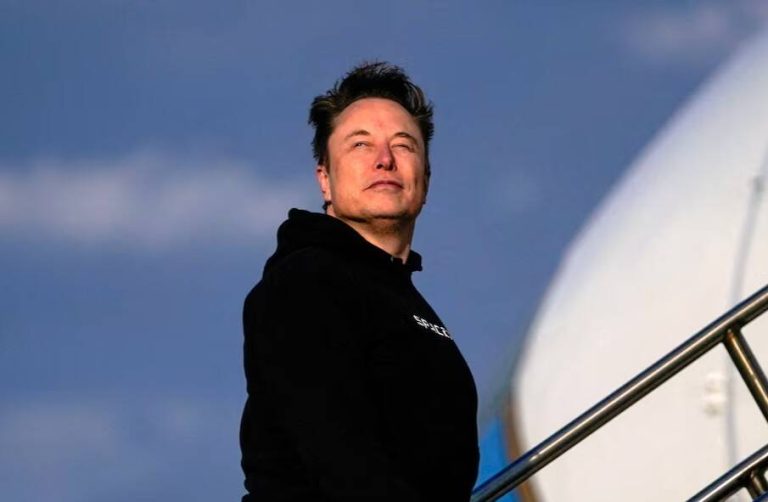
In a recent statement, Elon Musk, the billionaire CEO of Tesla and SpaceX, drew a stark contrast between himself and politicians like Bernie Sanders. Musk, known for his innovative and entrepreneurial spirit, emphasized that his wealth is directly tied to the success of his companies, which produce valuable products and services for the public. He asserted that his wealth can “only increase due to producing more products and services for the public,” highlighting the fundamental difference between creators and takers in the economic landscape.
Musk’s statement was a clear jab at politicians who, in his opinion, rely on taking from others rather than creating value themselves. He specifically mentioned Bernie Sanders, a senator known for his progressive policies and criticism of wealth inequality. Musk’s argument is that individuals like Sanders, who advocate for redistribution of wealth, are essentially “takers” because they do not generate wealth through innovation or entrepreneurship. Instead, they propose to take from those who have created wealth to redistribute it, a concept that Musk believes undermines the incentive to innovate and produce.
The distinction between being a “maker” and a “taker” is central to Musk’s philosophy on wealth creation and economic growth. According to Musk, makers are individuals who create value through their work, innovation, and risk-taking. They are the entrepreneurs, inventors, and business leaders who drive economic progress by introducing new products, services, and technologies that improve people’s lives. The wealth they accumulate is a direct result of the value they create for society. On the other hand, takers are those who, in Musk’s view, do not create value but instead seek to redistribute wealth that others have created. This can include politicians who propose taxes and policies aimed at taking from the wealthy to give to others, without necessarily creating new value themselves.
Musk’s assertion that he is a maker, not a taker, is supported by his own career and the success of his companies. Tesla, for example, has been at the forefront of the electric vehicle revolution, making sustainable energy solutions more accessible to the masses. SpaceX has pushed the boundaries of space technology, aiming to reduce space transportation costs and enable the colonization of Mars. These endeavors not only create jobs and stimulate economic activity but also contribute to societal progress by addressing critical challenges like climate change and space exploration.
The contrast between makers and takers also touches on the broader debate about wealth inequality and the role of government in redistributing wealth. Proponents of progressive policies, like Bernie Sanders, argue that the wealthy have a responsibility to contribute more to society, given their disproportionate accumulation of wealth. They propose higher taxes on the wealthy and corporations to fund social programs and reduce economic inequality. However, critics of these policies, including Musk, argue that such measures can discourage entrepreneurship and investment, ultimately harming economic growth and the creation of new opportunities.
Elon Musk’s comments also reflect a libertarian view of economics, where individual freedom and the market’s ability to allocate resources efficiently are paramount. From this perspective, government intervention in the economy, especially in the form of redistributive policies, is seen as less effective and potentially harmful. Instead, the focus should be on creating an environment that fosters innovation, reduces regulatory barriers, and allows individuals to pursue their entrepreneurial ambitions without undue hindrance.
In conclusion, Elon Musk’s statement highlights the fundamental differences in economic philosophy between creators of wealth, like himself, and those who advocate for the redistribution of wealth. While Musk sees himself as a maker, contributing to society through innovation and entrepreneurship, he views certain politicians as takers, who rely on redistributive policies rather than creating value themselves. This debate underscores the complexities of economic policy and the challenges of balancing individual freedom with social responsibility. As the world navigates these issues, the contributions of makers like Elon Musk will undoubtedly play a significant role in shaping the future of technology, economy, and society.
News Source: https://x.com/elonmusk/status/2006014310607167607
About the Author