I am a maker, not a taker like Bernie Sanders: Elon Musk
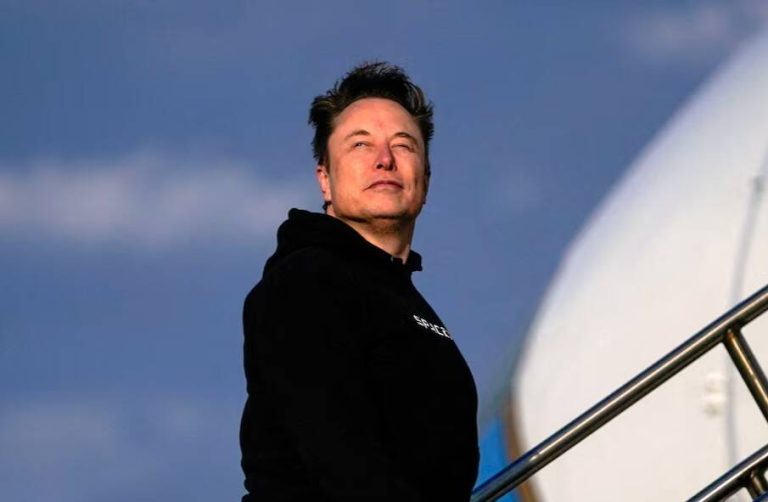
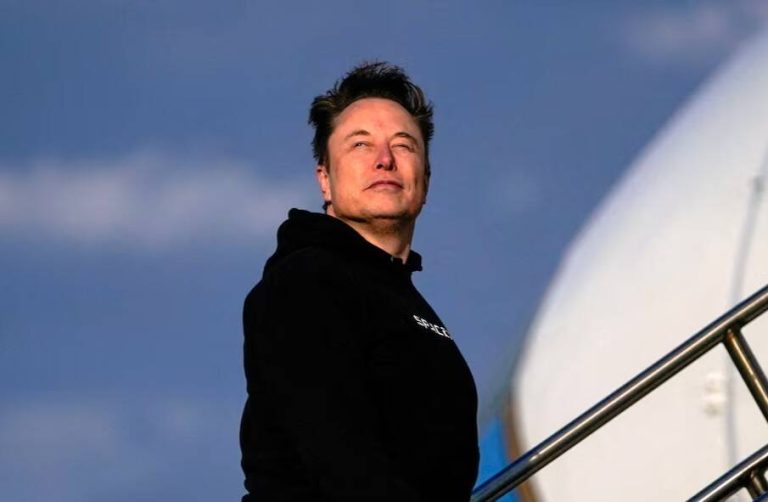
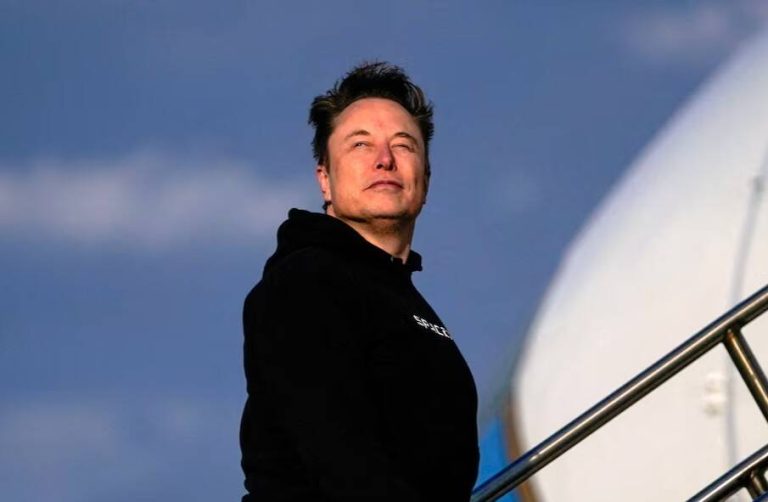
In a recent statement, billionaire entrepreneur Elon Musk sparked a heated debate by drawing a distinction between himself and politicians like Bernie Sanders. Musk, who has built his fortune through innovative ventures such as Tesla and SpaceX, claimed that his wealth is a direct result of his ability to produce valuable products and services for the public. In contrast, he implied that politicians like Sanders, who advocate for wealth redistribution and social welfare programs, are merely “takers” who rely on the labor and innovation of others to fuel their agendas.
Musk’s comments were made in response to criticism about the enormous wealth gap between himself and the average American. With an estimated net worth of over $200 billion, Musk is one of the richest individuals in the world. However, he argued that his wealth is not a result of exploiting others or engaging in unfair business practices. Instead, he claimed that his wealth is tied to the success of his companies, which have created thousands of jobs and produced innovative products that have transformed the way we live and work.
“That is because I am a maker, not a taker like the Bernie Sanders-type politicians of the world,” Musk stated. “They take…because they cannot or will not make,” he added. This statement reflects Musk’s belief that entrepreneurship and innovation are the driving forces behind economic growth and prosperity. By creating new products and services, entrepreneurs like Musk are able to generate wealth and create jobs, which in turn benefits society as a whole.
Musk’s comments also highlight the ongoing debate about the role of government in regulating the economy and addressing issues of income inequality. While politicians like Sanders advocate for increased taxation and social welfare programs to reduce the wealth gap, Musk and other entrepreneurs argue that such policies can stifle innovation and hinder economic growth. By imposing high taxes and regulations on businesses, governments can create a disincentive for entrepreneurs to invest and create new jobs.
On the other hand, proponents of social welfare programs argue that they are necessary to ensure that everyone has access to basic necessities like healthcare, education, and a living wage. They point out that the wealth gap between the rich and the poor has been growing steadily over the past few decades, and that policies like progressive taxation and increased social spending are needed to address this issue. However, Musk and other critics of these policies argue that they can have unintended consequences, such as driving businesses and investment overseas, and reducing the incentives for entrepreneurs to innovate and create new products and services.
One of the key issues at stake in this debate is the concept of “makers” versus “takers.” Musk’s statement implies that there are two types of people in the world: those who create value and produce goods and services, and those who take from others without contributing anything in return. While this is a simplification of a complex issue, it reflects a deeper philosophical debate about the nature of work, value, and contribution. Some argue that everyone has something to offer, regardless of their occupation or socioeconomic status, and that the concept of “makers” and “takers” is overly simplistic.
Others point out that the distinction between “makers” and “takers” is not always clear-cut. For example, many people who work in the public sector, such as teachers, nurses, and social workers, are not typically thought of as “makers” in the classical sense. However, they play a crucial role in providing essential services and supporting the well-being of society. Similarly, many entrepreneurs and business leaders rely on the labor and expertise of others to build and grow their companies. In this sense, the distinction between “makers” and “takers” is not always a clear or useful one.
In conclusion, Elon Musk’s statement about being a “maker” rather than a “taker” reflects a deeper philosophical debate about the nature of work, value, and contribution. While Musk’s comments were likely intended to provoke a reaction, they also highlight the complexities and challenges of addressing issues of income inequality and economic growth. As policymakers and entrepreneurs continue to grapple with these issues, it is essential to consider the different perspectives and arguments on both sides of the debate.
Ultimately, the question of how to balance the needs of entrepreneurs and businesses with the need to address income inequality and ensure that everyone has access to basic necessities is a complex and multifaceted one. While there is no easy answer, it is clear that a nuanced and informed discussion is needed to move forward. By considering the different perspectives and arguments on both sides of the debate, we can work towards creating a more equitable and prosperous society for all.
News Source: https://x.com/elonmusk/status/2006014310607167607
About the Author