How does Sentinel-2 protect India’s biodiversity?
India is home to a diverse range of ecosystems, including forests, grasslands, and wetlands, which support a wide variety of plant and animal species. However, the country’s biodiversity is facing numerous threats, including climate change, habitat destruction, and pollution. To mitigate these threats, scientists at the Indian Space Research Organisation (ISRO), Indian Institute of Space Science and Technology (IIST), and Gujarat University have developed a new satellite mapping system, Sentinel-2, which can identify submerged plants with 94% accuracy.
The Sentinel-2 system was used to monitor 500 of India’s largest wetlands, and the results are alarming. Nearly 100 lakes, mostly in central and southern India, have seen a major decline in vital plant life. This decline is a cause for concern, as wetlands play a crucial role in supporting biodiversity, regulating water cycles, and mitigating the effects of climate change. The study’s findings call for urgent climate actions to protect India’s wetlands and the plant and animal species that depend on them.
The importance of wetlands
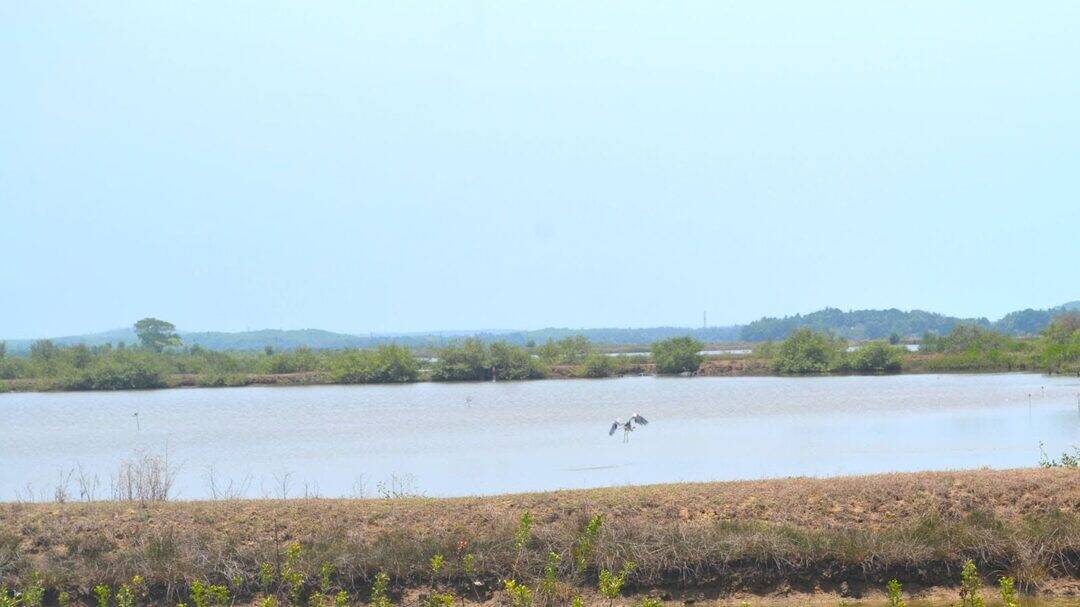
Wetlands are ecosystems that are saturated with water, either permanently or seasonally, and can be found in a variety of forms, including lakes, rivers, marshes, and mangroves. These ecosystems support a wide range of plant and animal species, many of which are found nowhere else. Wetlands also provide important ecosystem services, including water filtration, flood control, and carbon sequestration.
In India, wetlands are particularly important, as they support the livelihoods of millions of people. They provide fishing and aquaculture opportunities, as well as grazing land for livestock. Wetlands also have cultural and spiritual significance, with many being considered sacred by local communities.
The decline of plant life in Indian wetlands
The study using Sentinel-2 found that nearly 100 lakes in central and southern India have seen a significant decline in plant life. This decline is likely due to a combination of factors, including climate change, pollution, and habitat destruction. Climate change is altering the water cycles of many wetlands, leading to changes in water levels, temperature, and chemistry. This can make it difficult for plants to survive, and can also lead to the invasion of non-native species.
Pollution is another major threat to wetlands, with many being contaminated with agricultural runoff, industrial effluent, and domestic waste. This can lead to the degradation of water quality, making it difficult for plants to grow. Habitat destruction is also a significant threat, as wetlands are often converted into agricultural land, urban areas, or other human-dominated landscapes.
The role of Sentinel-2 in monitoring wetlands
The Sentinel-2 system is a powerful tool for monitoring wetlands and tracking changes in plant life. The system uses satellite imagery to identify submerged plants, and can do so with 94% accuracy. This is a significant improvement over traditional methods, which often rely on field surveys and can be time-consuming and expensive.
The Sentinel-2 system can also be used to monitor other aspects of wetland health, including water quality, sedimentation, and land use changes. This information can be used to inform conservation efforts, and to develop effective management strategies for wetlands.
Conservation implications
The decline of plant life in Indian wetlands is a cause for concern, and highlights the need for urgent conservation action. The Indian government has launched several initiatives to protect and conserve wetlands, including the National Wetland Conservation Programme. This programme aims to conserve and manage wetlands, and to promote sustainable livelihoods for communities that depend on them.
However, more needs to be done to protect India’s wetlands and the plant and animal species that depend on them. This includes addressing the root causes of decline, such as climate change, pollution, and habitat destruction. It also requires the development of effective management strategies, and the involvement of local communities in conservation efforts.
Conclusion
The Sentinel-2 system is a powerful tool for monitoring wetlands and tracking changes in plant life. The study’s findings highlight the decline of plant life in Indian wetlands, and the need for urgent conservation action. Wetlands play a crucial role in supporting biodiversity, regulating water cycles, and mitigating the effects of climate change. It is essential that we take steps to protect and conserve these ecosystems, and to promote sustainable livelihoods for communities that depend on them.
To achieve this, we need to address the root causes of decline, including climate change, pollution, and habitat destruction. We also need to develop effective management strategies, and to involve local communities in conservation efforts. The Sentinel-2 system can play a key role in this effort, by providing accurate and reliable information on wetland health and plant life.
In conclusion, the Sentinel-2 system is a valuable tool for protecting India’s biodiversity, and for conserving the country’s wetlands. By using this system to monitor wetlands and track changes in plant life, we can take steps to address the decline of these ecosystems, and to promote sustainable livelihoods for communities that depend on them.
News Source: https://researchmatters.in/news/satellite-monitoring-reveals-declining-plant-life-hundreds-indian-wetlands
About the Author