How does Sentinel-2 protect India’s biodiversity?
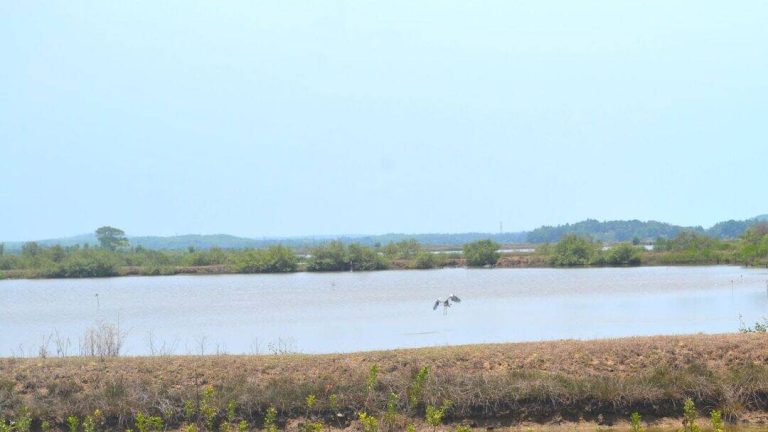
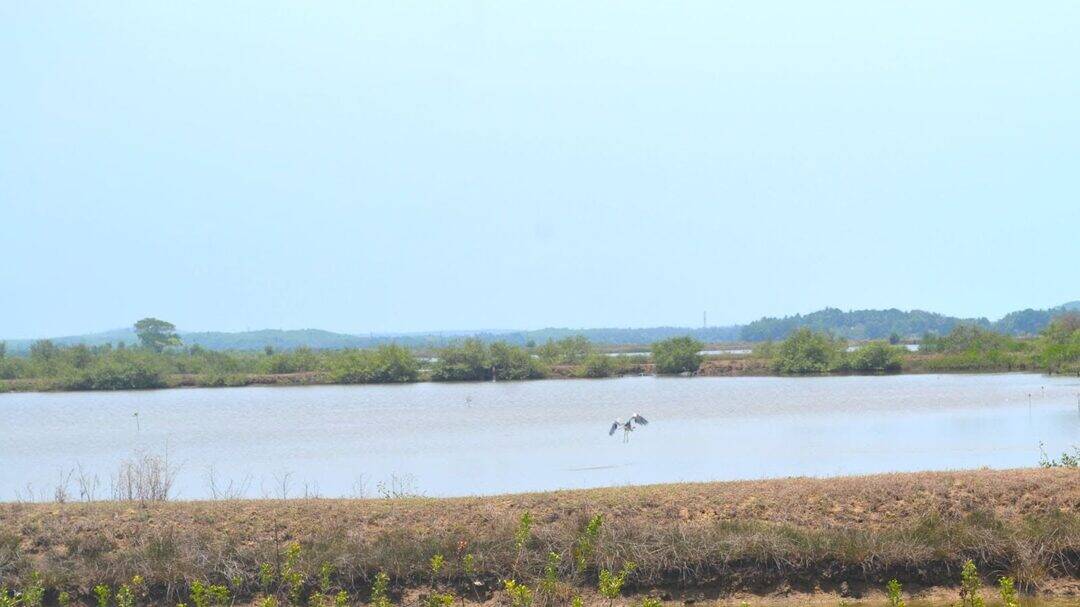
India is home to a diverse range of flora and fauna, with its wetlands being a crucial part of the country’s ecosystem. Wetlands are not only important for maintaining biodiversity but also play a vital role in regulating the water cycle, preventing floods, and supporting agriculture. However, these ecosystems are facing numerous threats, including climate change, pollution, and human activities such as deforestation and urbanization. To monitor and protect these fragile ecosystems, scientists at the Indian Space Research Organisation (ISRO), Indian Institute of Space Science and Technology (IIST), and Gujarat University have developed a new satellite mapping system, Sentinel-2.
Sentinel-2 is a powerful tool that uses satellite imagery to identify and monitor submerged plants in wetlands. The system has been shown to be highly accurate, with a success rate of 94% in identifying these plants. This technology has been used to study 500 of India’s largest wetlands, providing valuable insights into the health of these ecosystems. The results of the study are alarming, with nearly 100 lakes, mostly in central and southern India, experiencing a significant decline in vital plant life.
The decline of plant life in these wetlands is a cause for concern, as it can have far-reaching consequences for the entire ecosystem. Plants play a crucial role in maintaining the balance of wetlands, providing food and shelter for a wide range of animals, from fish and birds to larger mammals. They also help to regulate the water cycle, preventing floods and maintaining water quality. Without these plants, the ecosystem can become unstable, leading to a decline in biodiversity and potentially even the collapse of the entire ecosystem.
The use of Sentinel-2 to monitor wetlands is a significant step forward in the protection of India’s biodiversity. The technology provides a cost-effective and efficient way to track changes in these ecosystems, allowing scientists and policymakers to take prompt action to address any issues that arise. The data collected by Sentinel-2 can be used to identify areas that are most at risk, allowing for targeted conservation efforts to be implemented.
The study highlights the need for urgent climate action to protect India’s wetlands. Climate change is having a significant impact on these ecosystems, with rising temperatures and changing precipitation patterns altering the delicate balance of the environment. The decline of plant life in these wetlands is a clear indication of the need for immediate action to reduce greenhouse gas emissions and mitigate the effects of climate change.
The development of Sentinel-2 is a testament to the power of collaboration and innovation in addressing the complex challenges facing India’s ecosystems. By bringing together scientists and researchers from different institutions, the project has been able to leverage the latest technologies and expertise to develop a cutting-edge solution for monitoring and protecting wetlands.
The use of satellite imagery to monitor wetlands is not new, but the Sentinel-2 system is particularly significant due to its high accuracy and ability to identify submerged plants. This technology has the potential to be used in a wide range of applications, from monitoring water quality to tracking changes in land use and land cover.
In addition to its practical applications, the development of Sentinel-2 also highlights the importance of continued investment in scientific research and development. By supporting innovative projects like Sentinel-2, India can stay at the forefront of technological advancements and develop solutions to the complex challenges facing its ecosystems.
In conclusion, the Sentinel-2 satellite mapping system is a powerful tool for protecting India’s biodiversity. The technology has been shown to be highly accurate in identifying submerged plants in wetlands, providing valuable insights into the health of these ecosystems. The results of the study highlight the need for urgent climate action to protect India’s wetlands, with nearly 100 lakes experiencing a significant decline in vital plant life. The development of Sentinel-2 is a testament to the power of collaboration and innovation in addressing the complex challenges facing India’s ecosystems, and it has the potential to be used in a wide range of applications to protect and conserve the country’s natural resources.
The study’s findings are a call to action for policymakers, scientists, and conservationists to work together to protect India’s wetlands and the diverse range of flora and fauna that they support. By using the latest technologies and innovative solutions, India can take a proactive approach to addressing the challenges facing its ecosystems and ensuring the long-term health and sustainability of its natural resources.
News Source: https://researchmatters.in/news/satellite-monitoring-reveals-declining-plant-life-hundreds-indian-wetlands
About the Author