How does Sentinel-2 protect India’s biodiversity?
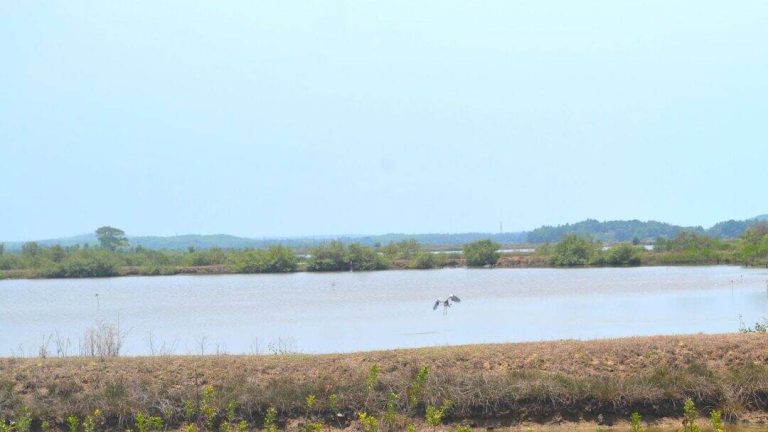
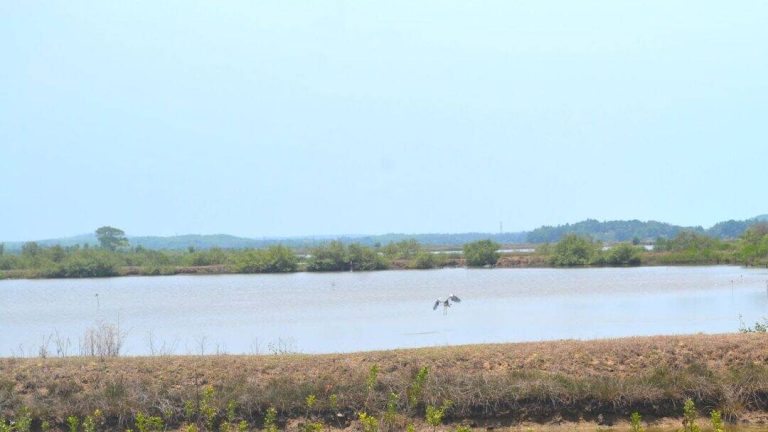
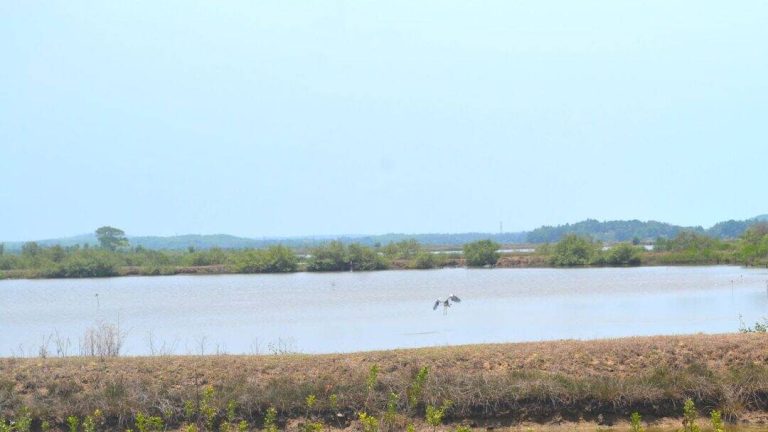
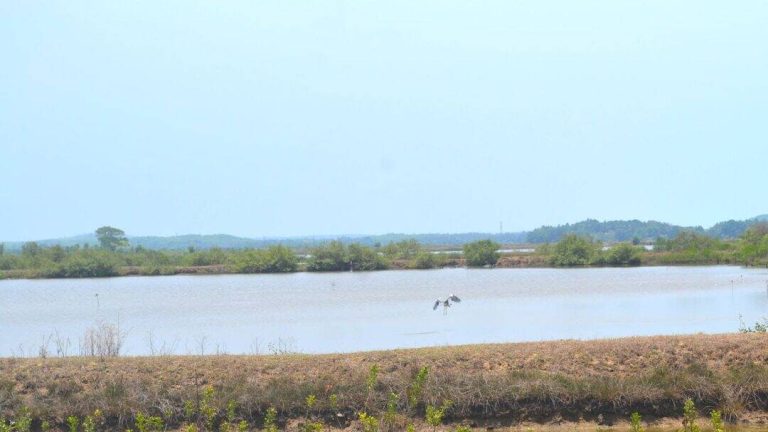
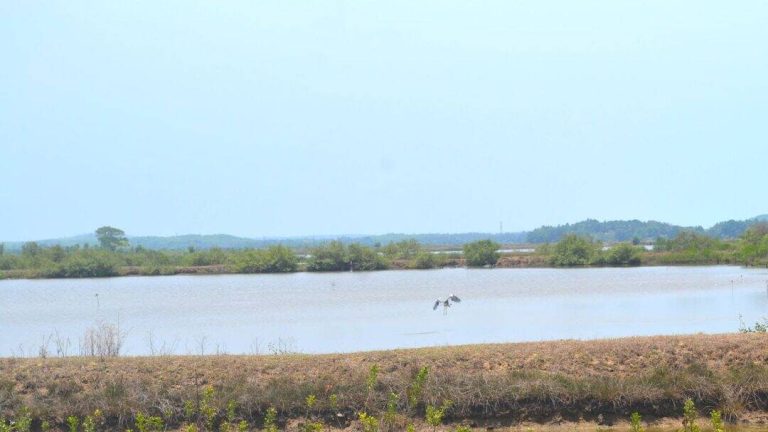
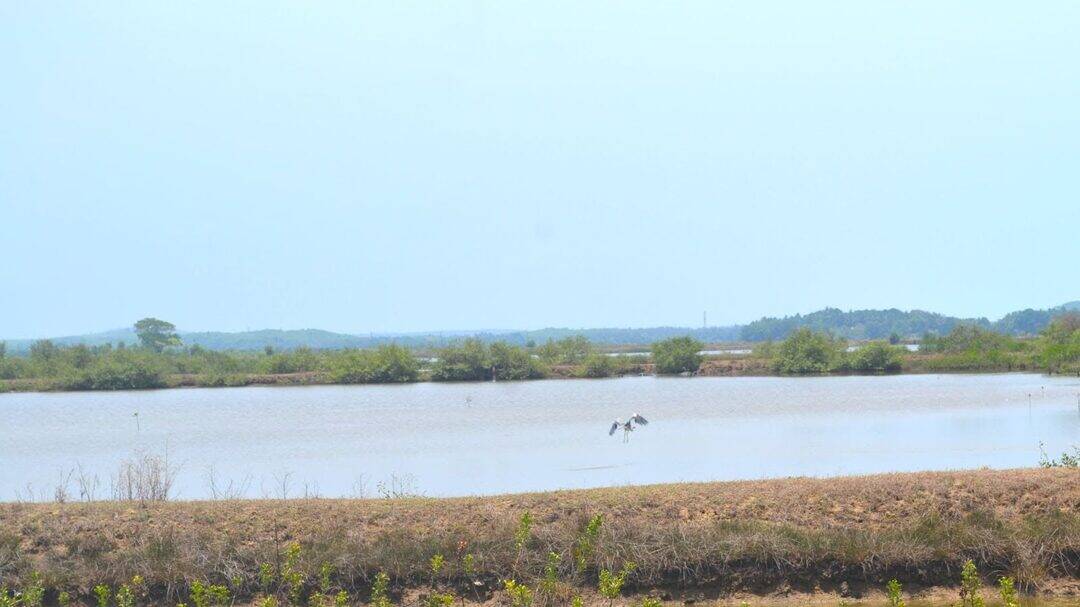
India is home to a diverse range of flora and fauna, with its wetlands being a crucial part of the country’s ecosystem. Wetlands are not only essential for maintaining biodiversity, but they also play a vital role in regulating the water cycle, preventing floods, and supporting agriculture. However, these ecosystems are facing numerous threats, including climate change, pollution, and human activities such as deforestation and urbanization. To monitor and protect India’s wetlands, scientists at the Indian Space Research Organisation (ISRO), Indian Institute of Space Science and Technology (IIST), and Gujarat University have developed a new satellite mapping system, Sentinel-2.
Sentinel-2 is a state-of-the-art satellite system that uses advanced remote sensing technology to monitor and map India’s wetlands. The system is equipped with high-resolution cameras that can capture detailed images of the Earth’s surface, allowing scientists to identify and track changes in vegetation, water quality, and other environmental factors. One of the key features of Sentinel-2 is its ability to identify submerged plants with 94% accuracy, making it an invaluable tool for monitoring aquatic ecosystems.
A recent study using Sentinel-2 monitored 500 of India’s largest wetlands, covering an area of over 1.5 million hectares. The results of the study are alarming, with nearly 100 lakes, mostly in central and southern India, showing a significant decline in vital plant life. The decline in plant life is a major concern, as it can have far-reaching consequences for the entire ecosystem. Plants are the primary producers of an ecosystem, providing food and shelter for numerous species of animals. A decline in plant life can lead to a decline in biodiversity, affecting not only the wetlands but also the surrounding ecosystems.
The study highlights the urgent need for climate action to protect India’s wetlands. Climate change is one of the major drivers of the decline in plant life, with rising temperatures and changing precipitation patterns affecting the delicate balance of the ecosystem. The study also emphasizes the need for sustainable management practices, such as reducing pollution, preventing deforestation, and promoting conservation efforts.
The development of Sentinel-2 is a significant milestone in India’s efforts to protect its biodiversity. The system has the potential to revolutionize the way we monitor and manage our ecosystems, providing valuable insights into the health and status of our wetlands. By using advanced remote sensing technology, scientists can track changes in the ecosystem in real-time, allowing for swift and effective conservation efforts.
The use of Sentinel-2 also has significant implications for policy-making and decision-making. The data collected by the system can be used to inform policy decisions, such as identifying areas that require immediate conservation efforts, developing sustainable management practices, and allocating resources effectively. The system can also be used to monitor the effectiveness of conservation efforts, allowing policymakers to adjust their strategies and make data-driven decisions.
In addition to its applications in conservation, Sentinel-2 also has the potential to support various other sectors, such as agriculture, water management, and disaster response. The system can be used to monitor crop health, predict droughts and floods, and track the spread of diseases. The data collected by Sentinel-2 can also be used to support disaster response efforts, such as identifying areas affected by natural disasters and tracking the spread of damage.
In conclusion, Sentinel-2 is a powerful tool for protecting India’s biodiversity. The system’s ability to identify submerged plants with 94% accuracy makes it an invaluable asset for monitoring aquatic ecosystems. The study of 500 of India’s largest wetlands using Sentinel-2 highlights the urgent need for climate action and sustainable management practices to protect these ecosystems. The development of Sentinel-2 is a significant milestone in India’s efforts to protect its biodiversity, and its applications extend far beyond conservation, supporting various sectors such as agriculture, water management, and disaster response.
As India continues to grapple with the challenges of climate change, pollution, and human activities, the use of advanced technologies like Sentinel-2 is crucial for protecting its ecosystems. The system’s potential to revolutionize the way we monitor and manage our ecosystems is vast, and its applications can have far-reaching consequences for the health and well-being of our planet.
About the Author