How does Sentinel-2 protect India’s biodiversity?
India is home to a diverse range of ecosystems, from the majestic Himalayas to the vibrant wetlands of the plains. These ecosystems support a wide variety of plant and animal life, and are essential for maintaining the country’s biodiversity. However, India’s ecosystems are facing numerous threats, including climate change, pollution, and human activities such as deforestation and urbanization. To combat these threats, scientists at the Indian Space Research Organisation (ISRO), the Indian Institute of Space Science and Technology (IIST), and Gujarat University have developed a new satellite mapping system, Sentinel-2.
Sentinel-2 is a cutting-edge technology that uses satellite imagery to monitor and track changes in India’s ecosystems. The system is particularly effective at identifying submerged plants, with an accuracy rate of 94%. This is a significant improvement over traditional methods of monitoring plant life, which can be time-consuming and labor-intensive. By using Sentinel-2, scientists can quickly and easily track changes in plant life over large areas, allowing them to identify areas that are under threat and take action to protect them.
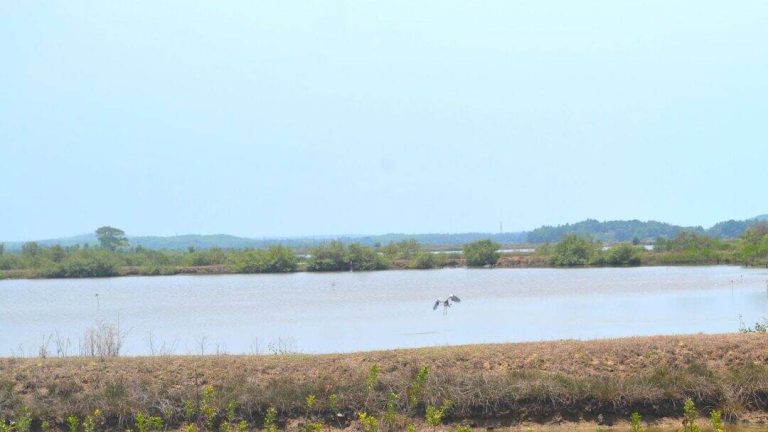
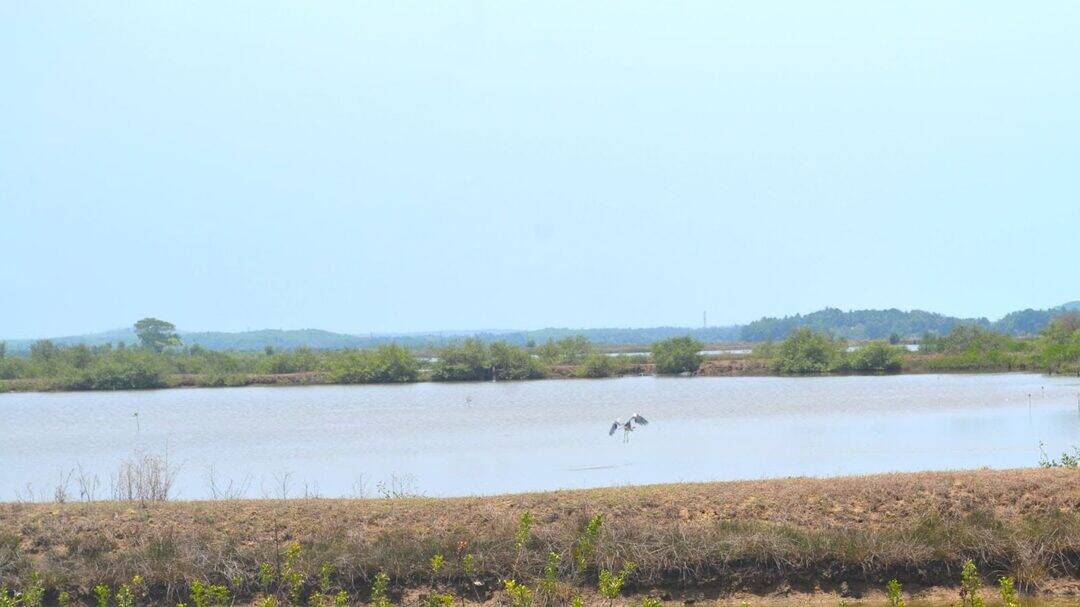
One of the key applications of Sentinel-2 is in the monitoring of India’s wetlands. Wetlands are crucial ecosystems that support a wide variety of plant and animal life, and are essential for maintaining water quality and regulating the climate. However, many of India’s wetlands are under threat due to human activities such as pollution, deforestation, and urbanization. To better understand the state of India’s wetlands, scientists used Sentinel-2 to monitor 500 of the country’s largest wetlands.
The results of the study were alarming. Nearly 100 lakes, mostly in central and southern India, were found to be experiencing a major decline in vital plant life. This decline is likely due to a combination of factors, including climate change, pollution, and human activities such as deforestation and urbanization. The loss of plant life in these wetlands is not only a threat to the ecosystems themselves, but also to the many species that depend on them for survival.
The study’s findings highlight the urgent need for climate action to protect India’s biodiversity. The decline of plant life in the country’s wetlands is a warning sign that the ecosystems are under threat, and that action is needed to prevent further damage. This can include measures such as reducing pollution, protecting and restoring habitats, and promoting sustainable land use practices.
The use of Sentinel-2 in monitoring India’s ecosystems is a significant step forward in the country’s efforts to protect its biodiversity. By providing accurate and reliable data on changes in plant life, the system can help scientists and policymakers to identify areas that are under threat and take action to protect them. This can include measures such as habitat restoration, species conservation, and climate change mitigation.
In addition to its use in monitoring wetlands, Sentinel-2 can also be used to track changes in other ecosystems, such as forests and grasslands. This can help scientists to better understand the impacts of climate change and human activities on these ecosystems, and to develop effective strategies for protecting them.
The development of Sentinel-2 is a testament to the power of collaboration and innovation in addressing the challenges facing India’s ecosystems. By bringing together scientists and researchers from across the country, the project has been able to leverage the latest technologies and expertise to develop a system that is tailored to India’s specific needs.
In conclusion, Sentinel-2 is a powerful tool for protecting India’s biodiversity. By providing accurate and reliable data on changes in plant life, the system can help scientists and policymakers to identify areas that are under threat and take action to protect them. The study’s findings highlight the urgent need for climate action to protect India’s ecosystems, and demonstrate the importance of continued innovation and collaboration in addressing the challenges facing the country’s biodiversity.
Learn more about this topic at: https://researchmatters.in/news/satellite-monitoring-reveals-declining-plant-life-hundreds-indian-wetlands
About the Author