How does Sentinel-2 protect India’s biodiversity?
India is home to a diverse range of ecosystems, including forests, grasslands, and wetlands, which support a vast array of plant and animal species. However, the country’s biodiversity is facing numerous threats, including climate change, habitat destruction, and pollution. To address these challenges, scientists at the Indian Space Research Organisation (ISRO), Indian Institute of Space Technology (IIST), and Gujarat University have developed a new satellite mapping system, Sentinel-2, which can identify submerged plants with 94% accuracy. In this blog post, we will explore how Sentinel-2 protects India’s biodiversity and the implications of its findings.
The Importance of Wetlands
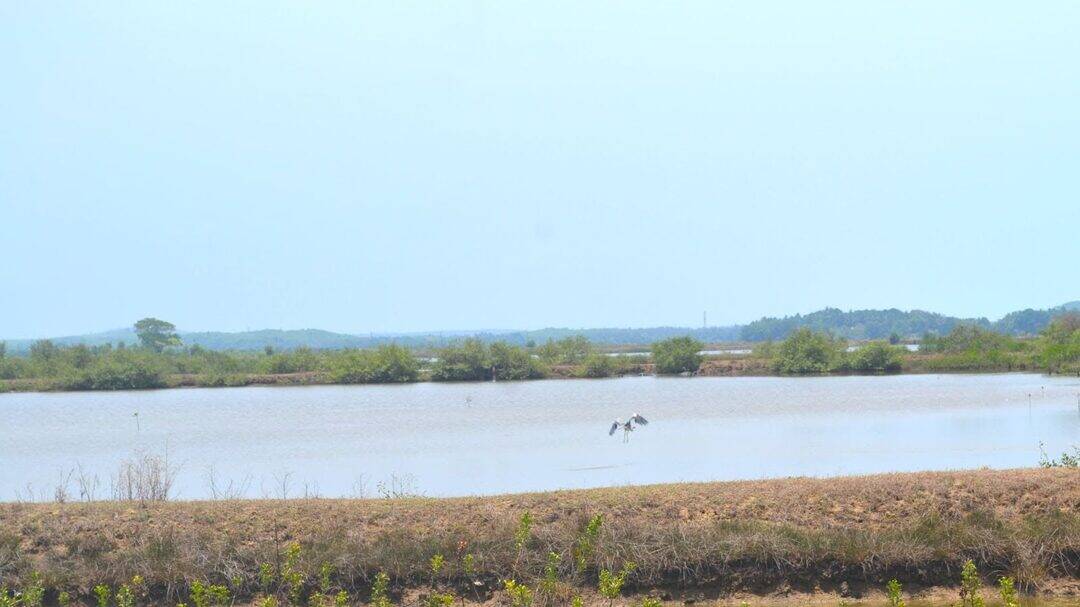
Wetlands are crucial ecosystems that provide numerous benefits, including water filtration, flood control, and habitat for a wide range of plant and animal species. They are also important carbon sinks, helping to mitigate the effects of climate change. India has a vast network of wetlands, with over 500 of the country’s largest wetlands covering an area of approximately 4.6 million hectares. However, these ecosystems are facing numerous threats, including habitat destruction, pollution, and climate change, which can have severe consequences for biodiversity and human well-being.
Sentinel-2: A New Satellite Mapping System
The Sentinel-2 satellite mapping system is a cutting-edge technology developed by scientists at ISRO, IIST, and Gujarat University. The system uses advanced remote sensing techniques to identify submerged plants in wetlands with 94% accuracy. This is a significant improvement over traditional methods, which can be time-consuming and labor-intensive. The Sentinel-2 system has been used to monitor 500 of India’s largest wetlands, providing valuable insights into the health of these ecosystems.
Declining Plant Life in Indian Wetlands
The study using Sentinel-2 has revealed a disturbing trend: nearly 100 lakes, mostly in central and southern India, are experiencing a major decline in vital plant life. This decline is likely due to a combination of factors, including climate change, pollution, and habitat destruction. The loss of plant life in these wetlands can have severe consequences for biodiversity, including the decline of animal species that depend on these plants for food and habitat. The study’s findings call for urgent climate actions to protect India’s wetlands and the biodiversity they support.
Implications of the Study
The study using Sentinel-2 has significant implications for India’s biodiversity and climate change mitigation efforts. The decline of plant life in Indian wetlands can have far-reaching consequences, including:
- Loss of Biodiversity: The decline of plant life in wetlands can lead to the decline of animal species that depend on these plants for food and habitat.
- Reduced Carbon Sequestration: Wetlands are important carbon sinks, and the decline of plant life can reduce their ability to sequester carbon, exacerbating climate change.
- Increased Greenhouse Gas Emissions: The decay of plant life in wetlands can lead to the release of methane, a potent greenhouse gas, contributing to climate change.
- Negative Impacts on Human Well-being: The decline of wetlands can have negative impacts on human well-being, including reduced access to clean water, decreased fisheries, and loss of livelihoods.
Urgent Climate Actions
The study’s findings call for urgent climate actions to protect India’s wetlands and the biodiversity they support. Some potential actions include:
- Conservation and Restoration: Efforts to conserve and restore wetlands, including the reintroduction of native plant species and the removal of invasive species.
- Sustainable Land-Use Practices: Promoting sustainable land-use practices, such as agroforestry and permaculture, to reduce the impact of human activities on wetlands.
- Climate-Smart Agriculture: Implementing climate-smart agriculture practices, such as crop rotation and organic farming, to reduce the impact of agriculture on wetlands.
- Policy and Legislative Frameworks: Strengthening policy and legislative frameworks to protect wetlands and the biodiversity they support.
Conclusion
The Sentinel-2 satellite mapping system has provided valuable insights into the health of India’s wetlands, revealing a disturbing trend of declining plant life in these ecosystems. The study’s findings call for urgent climate actions to protect India’s wetlands and the biodiversity they support. By conserving and restoring wetlands, promoting sustainable land-use practices, implementing climate-smart agriculture, and strengthening policy and legislative frameworks, we can help mitigate the impacts of climate change and protect India’s rich biodiversity.
About the Author